What does “deadstock hype” mean?
What it means
Deadstock hype refers to sneakers that are brand new, never worn, and remain in their original, factory-sealed packaging. "Deadstock" is the standard industry term for this condition. The "hype" component indicates that the specific model possesses high cultural relevance, limited availability, or is currently trending among collectors. This is not merely a new shoe; it is a high-demand asset. The condition must be absolute—no scuffs, no signs of handling, and all original protective materials must be intact. This term differentiates a standard new shoe from a premium, investment-grade piece.
What it does to price
Deadstock status is the primary driver of premium pricing in the resale market. A deadstock pair of a highly sought-after model can command a multiplier of 2x to 5x the current retail price (MSRP), depending on scarcity. Factors pushing the price up include verified rarity (e.g., numbered releases) and flawless, factory-sealed packaging. Factors pushing the price down include minor box damage (dents, tears) or missing original accessories. For example, a highly coveted, deadstock release might sell for $800, whereas the same shoe, worn once, might sell for $450.
How to spot it
The tells are in the packaging integrity. The box must show no signs of crushing, water damage, or shelf wear. Check the internal protective plastic wrapping; it should be factory-sealed. For rare or limited editions, verify any unique edition markers or serial numbers printed on the box or tags against known release documentation. Sellers must provide high-resolution photos of the box corners, the original hangtags, and the shoe itself *before* opening. Be wary of "deadstock" claims on shoes that look suspiciously clean or lack the typical minor handling marks associated with legitimate retail stock.
Buying smart
Paying a premium for deadstock hype is justified when the model has proven long-term cultural staying power or verifiable scarcity. This applies to highly limited drops from major brands or collaborations with significant cultural weight. It is not worth the premium for a general, mass-market release unless the specific colorway is extremely rare. A fair deal means the asking price reflects the proven secondary market value of that specific hype item, not just the retail price. If the asking price is significantly above comparable, verified sales data, it is likely inflated.
Selling smart
Proving deadstock status is the mechanism that unlocks the highest price tiers. Buyers pay a premium for the guarantee of untouched condition. The single most valuable piece of evidence is a clear, well-lit photograph of the *original, sealed shipping box* showing all manufacturer markings and condition. Listing the term "Deadstock" alongside photographic proof of factory sealing allows the seller to command the top end of the market valuation for that shoe.
On eBay right now
Current asking prices from live listings — not sold-comp medians.


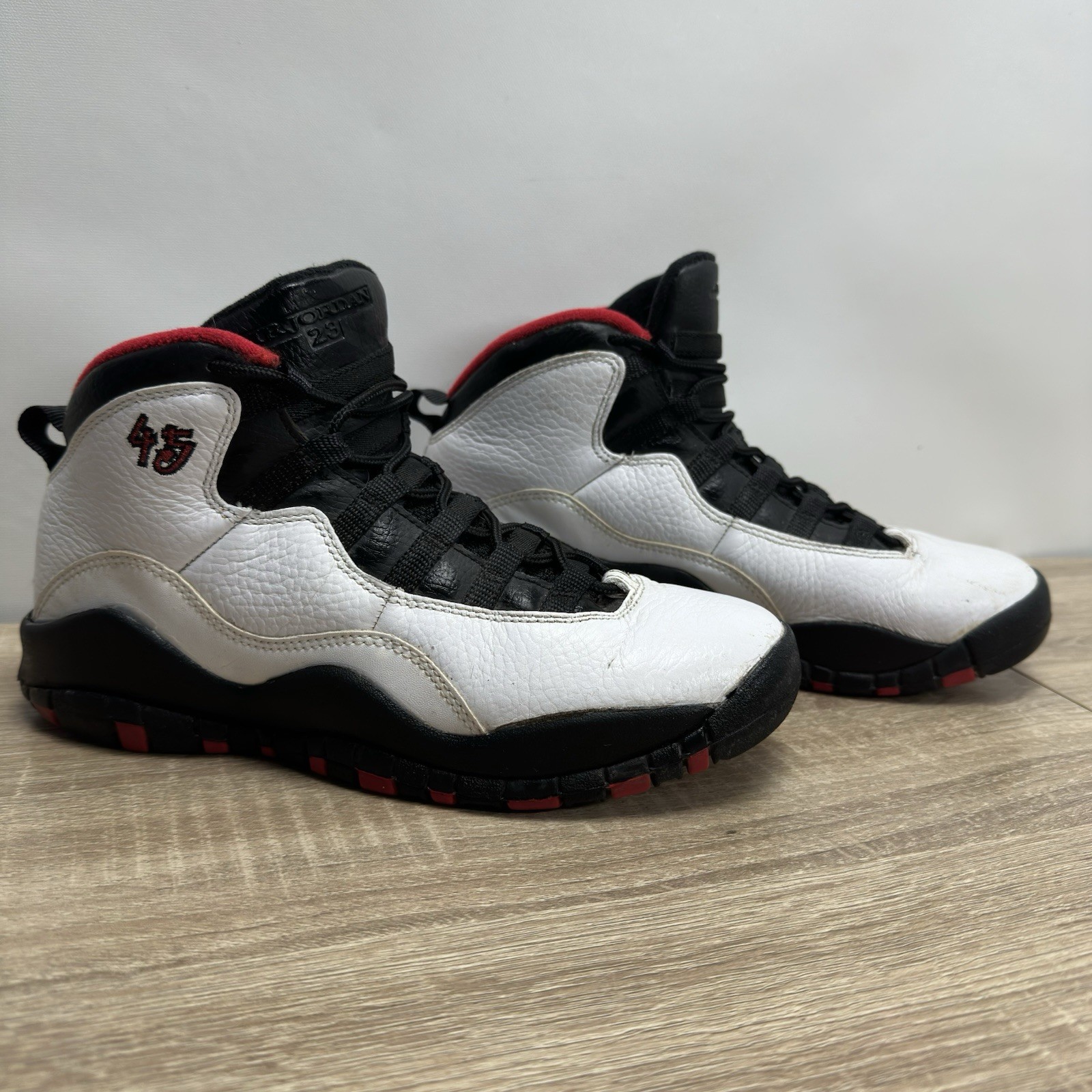


eBay links are affiliate links: JunkPal may earn a commission at no cost to you.