What does “customized” mean?
What it means
Customized sneakers are factory-original models that have undergone deliberate, non-factory alterations. This goes beyond simple cleaning or minor wear. Modifications include, but are not limited to, hand-painted designs, material replacements (e.g., swapping leather for suede), appliqué additions, or unique graphic overlays applied by a third party. In the collecting niche, the term implies an intentional artistic intervention. The mainstream equivalent is "modified footwear," but in sneaker collecting, the execution quality dictates the entire valuation structure.
What it does to price
Pricing is entirely dependent on the execution level. A professionally executed, intricate custom piece on a high-demand silhouette can command a 1.5x to 4x premium over the unmodified resale market value of that specific shoe. Conversely, a poorly executed job—visible paint bleeding, mismatched materials, or amateur distressing—can depreciate the shoe, sometimes dropping its value below the original retail price. For example, a high-tier custom Jordan 1 might sell for $1,500, whereas the same shoe with a sloppy, amateur paint job might only fetch $300.
How to spot it
Authentication requires close inspection of the modification points. Look for consistency in brush strokes, material seams, and paint saturation. High-quality work shows deliberate blending and professional finish. Common red flags include uneven application, visible glue residue, or mismatched texture where materials were swapped. Sellers must provide high-resolution, close-up photos of the modifications *before* and *after* the process. Be wary of sellers who only provide glamour shots; they are hiding execution flaws.
Buying smart
Paying a premium is justified when the customization is complex, utilizes high-quality materials (e.g., genuine exotic skins, professional-grade acrylics), and the artist has a verifiable reputation. If the modification is simple—like a single color swap—the premium is unlikely to be worth the risk. A fair deal involves the asking price being within 25-35% above the current market price for the unmodified shoe, contingent on verifiable quality. If the premium exceeds 50% without documented, high-level artistry, the risk outweighs the reward.
Selling smart
To maximize return, the listing must clearly articulate the scope and quality of the modification. Do not simply list it as "Custom." Use descriptive language detailing the technique (e.g., "Hand-painted airbrush," "Full material overhaul"). The single most effective asset is a detailed "process shot"—a photo showing the shoe mid-modification or a close-up of the intricate detail work. This visual proof justifies the premium and separates the piece from mass-produced knock-offs.
On eBay right now
Current asking prices from live listings — not sold-comp medians.


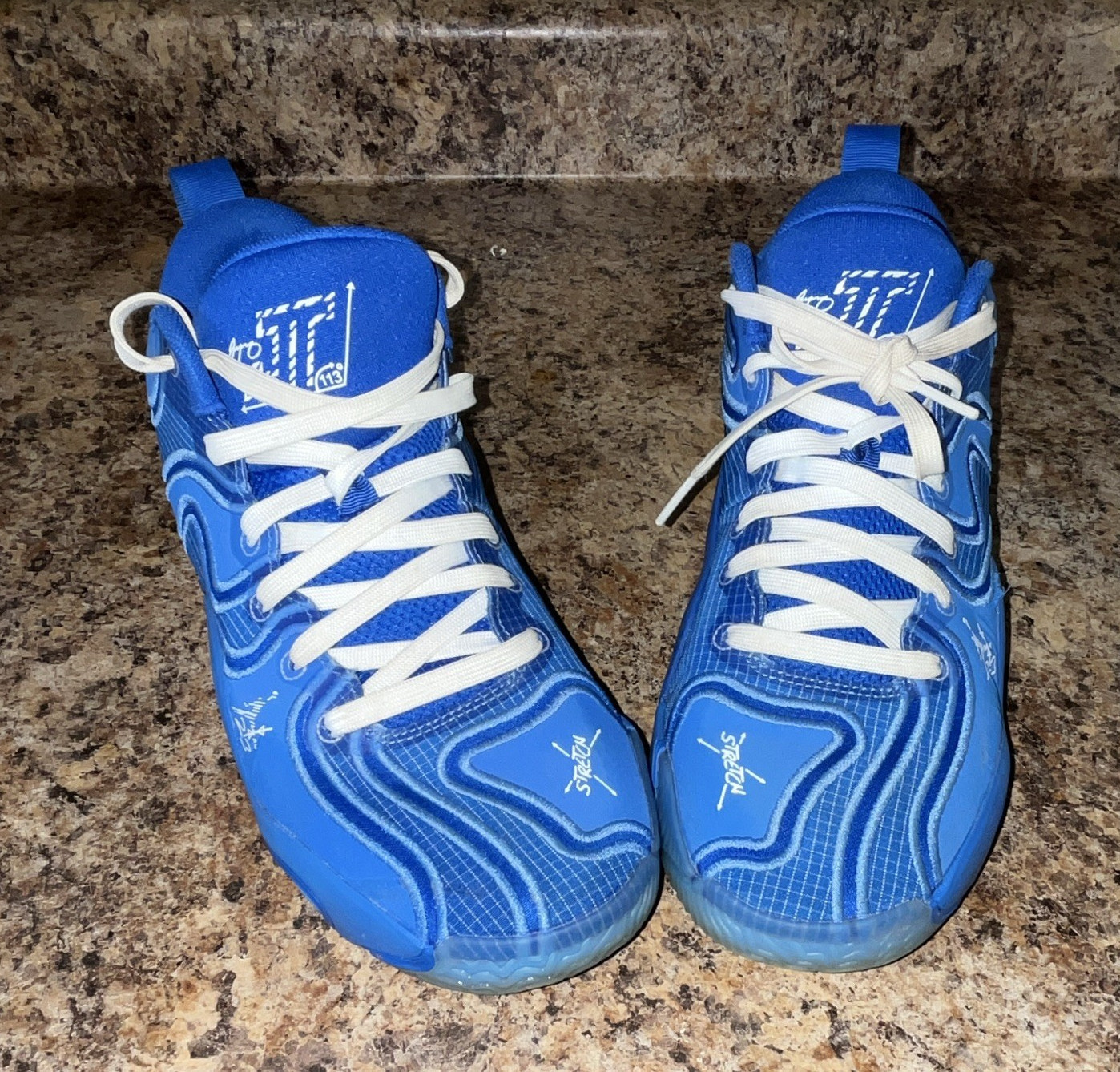


eBay links are affiliate links: JunkPal may earn a commission at no cost to you.