What does “court” mean?
What it means
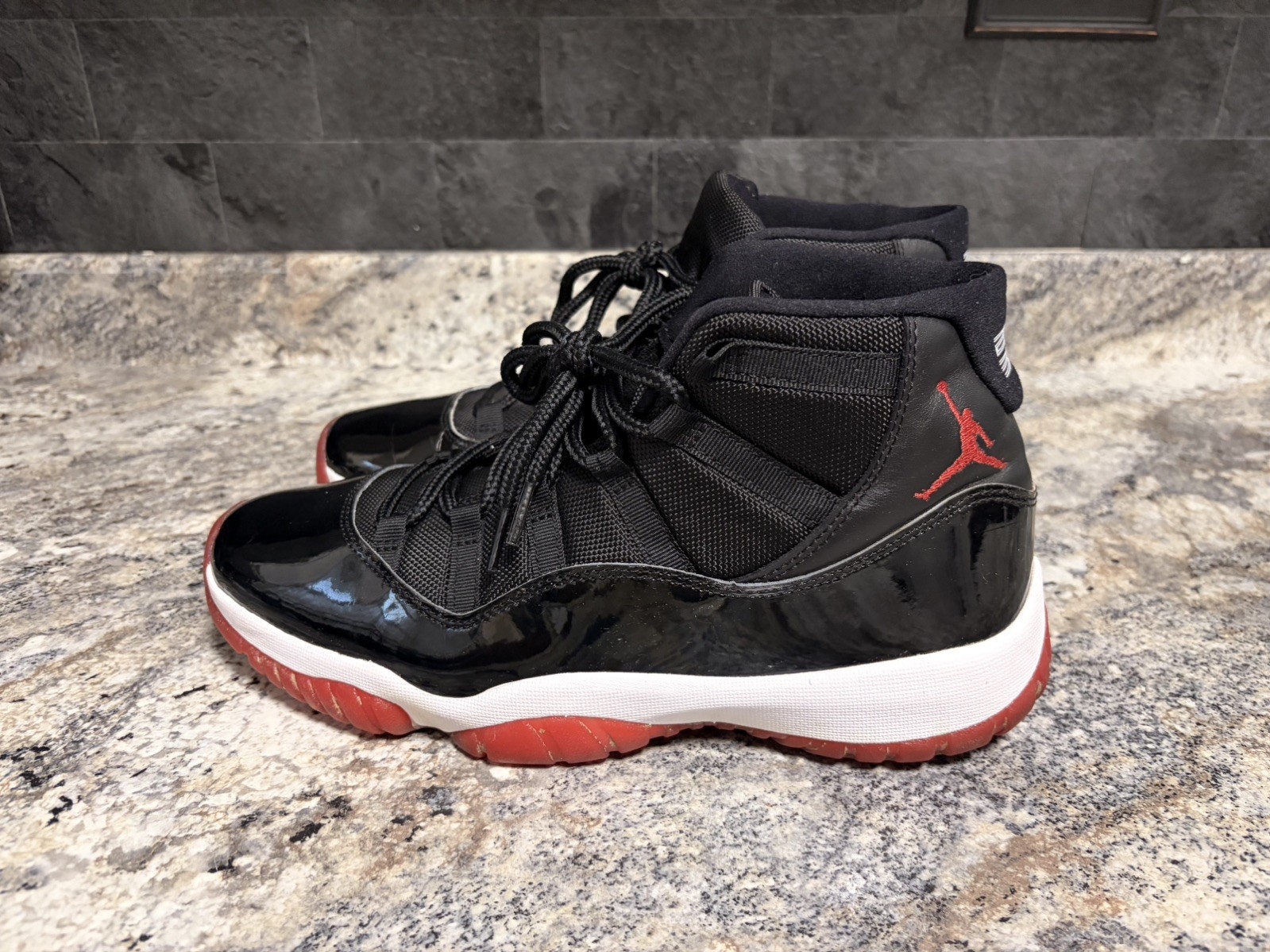
"Court" in sneaker collecting refers to athletic footwear engineered for specific indoor or outdoor sports surfaces. This category encompasses basketball, tennis, volleyball, and similar activities. The design prioritizes lateral stability, grip, and shock absorption over pure street aesthetic. Unlike lifestyle sneakers, court shoes feature reinforced sidewalls and specialized outsole patterns designed to handle sudden directional changes and high-impact landings. While the broad term covers many sports, collectors often differentiate between basketball-specific builds (more aggressive cushioning, high ankle support) and tennis-specific builds (more lateral slide resistance, flatter profile). The specific sport designation is a functional descriptor, not always a primary valuation driver, unless the shoe is a highly limited edition tied to a specific league or tournament.
What it does to price
The primary price driver is the model's scarcity and brand recognition, not the sport it was designed for. However, authenticity and condition are critical multipliers. A pair in Deadstock (DS) condition commands a 1.8x to 3x premium over a lightly worn pair. Significant midsole cracking or deep tread wear can result in a 40-60% depreciation from retail value. For example, a popular basketball silhouette in DS condition might sell for $350, while the same shoe with noticeable sole scuffing might drop to $200. Colorway rarity also applies; limited-run tournament colors fetch significantly more than standard releases.
How to spot it
Authenticity checks focus on structural integrity. Examine the outsole pattern—it must match known release specs for that model and sport. Look closely at the midsole material consistency; fakes often use softer, less durable foam that compresses unevenly. For basketball shoes, check the ankle collar stitching for precision; sloppy stitching is a common indicator of counterfeits. Sellers must provide high-resolution photos of the tongue tag and the internal branding near the insole. A common mistake is misidentifying a cross-training shoe as a pure court shoe; these hybrid models have different outsole geometries.
Buying smart
Paying a premium for a court shoe is justified when the model is historically significant (e.g., a signature shoe from a major athlete) or when the colorway is extremely limited. If the shoe is a standard, widely released model, the premium should be modest, reflecting only current market demand, not historical significance. A fair deal involves a price that is less than 70% of the established secondary market high for that specific condition. If a seller demands a price exceeding 120% of the average recent sale for a comparable pair, the risk outweighs the reward.
Selling smart
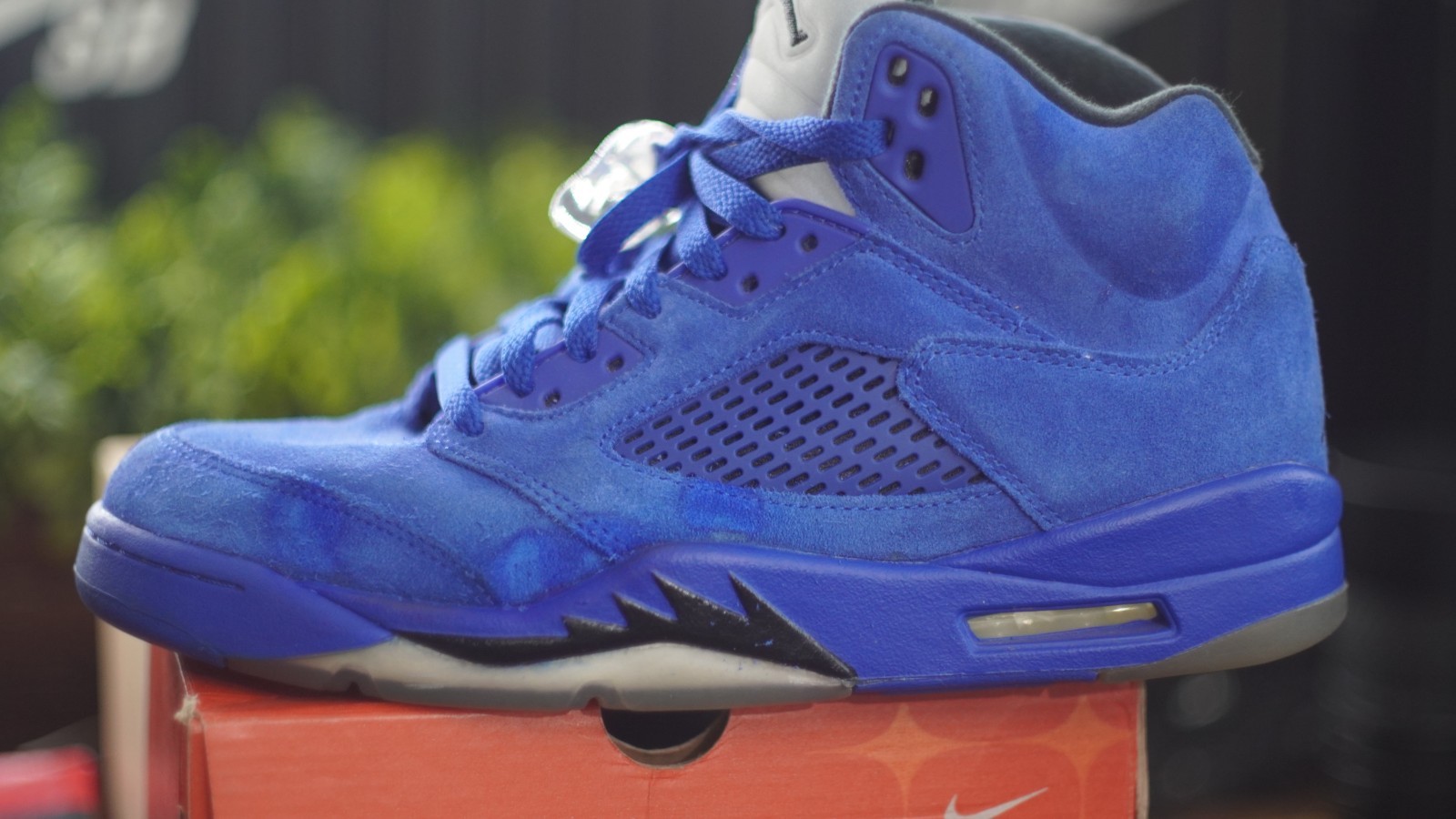
Listing must clearly define the shoe's condition using industry standards (DS, VNDS, etc.). Providing a clear, well-lit photo of the outsole tread wear is non-negotiable; buyers will assume the worst if they cannot see the grip pattern. The single most effective word to earn a premium is "Deadstock" (DS) when the shoe is unworn. If the shoe has original packaging, photographing the box alongside the shoe immediately validates provenance and justifies a higher asking price, often adding 10-15% over loose sales.
On eBay right now
Current asking prices from live listings — not sold-comp medians.




eBay links are affiliate links: JunkPal may earn a commission at no cost to you.