What does “condition rating” mean?
What it means
Condition rating defines the physical integrity of a sneaker. It is a standardized scale used by the resale market, moving from perfect factory state to heavily worn or damaged. The primary tiers are Deadstock (DS), Near Mint (NM), Very Good (VG), and Poor. Deadstock means the shoe is unworn, retaining all original packaging and factory appearance. Near Mint shows negligible wear, often only minor creasing from being tried on briefly. VG shows clear signs of use—minor scuffs, light sole wear—but remains structurally sound. Poor indicates significant damage, heavy discoloration, or structural failure. This rating is the primary metric for valuation, superseding model rarity in many transactions.
What it does to price
Condition dictates the valuation multiplier. A true Deadstock pair typically commands a 1.8x to 3x premium over an equivalent VG pair of the same model. NM generally sits at a 1.3x to 1.7x premium over VG. Wear on the outsole or midsole significantly depresses value; a sole with visible separation or heavy gumming can reduce value by 30-50% instantly. Conversely, pristine condition on a highly sought-after colorway can push the price ceiling significantly higher. For example, a rare, unworn pair of Yeezy 350s might sell for $800, while the exact same model in VG condition might sell for $450.
How to spot it
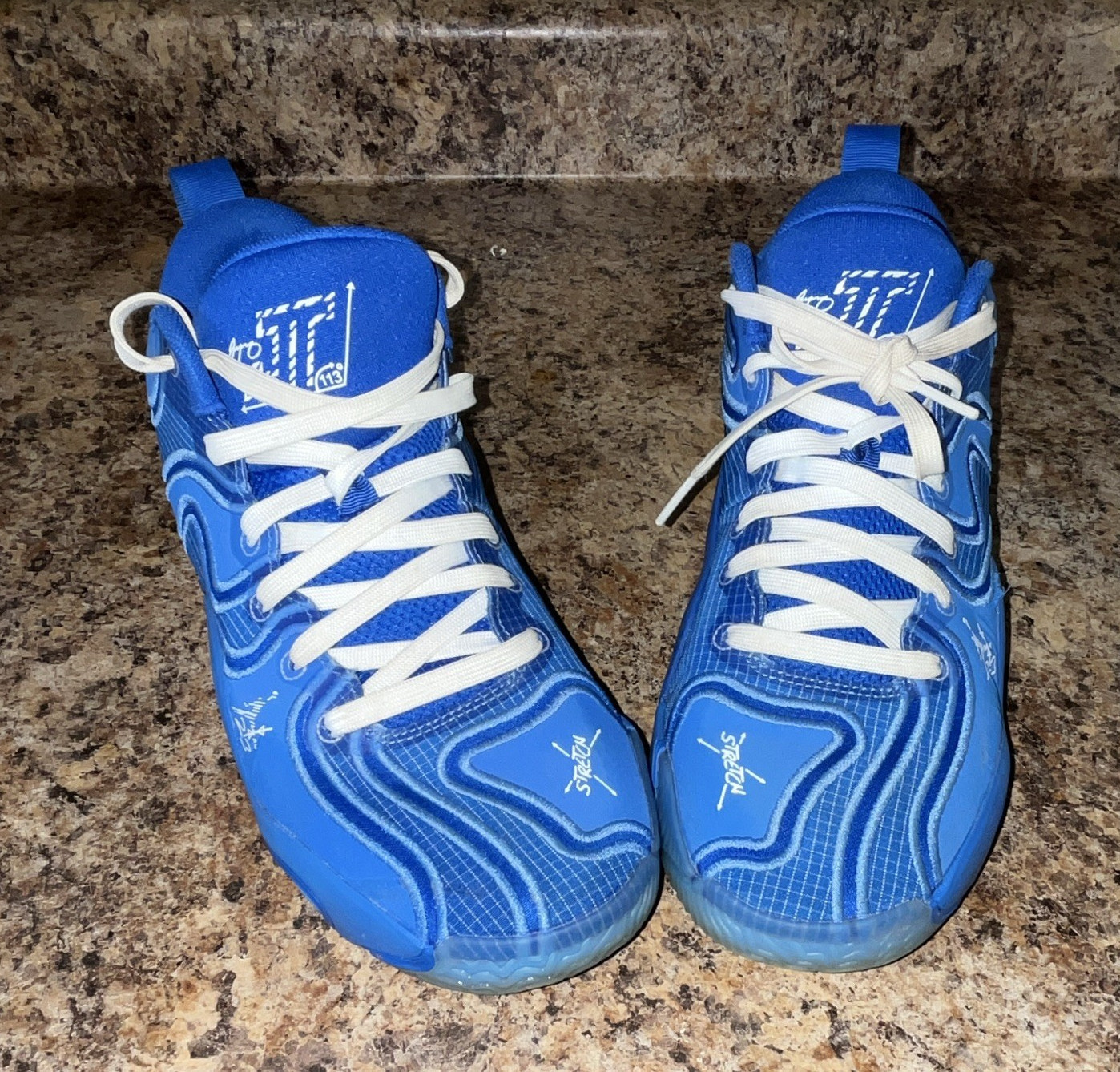
Inspection requires detailed examination of key areas. Check the box integrity—is it factory sealed? Look for creasing patterns on the upper; deep, sharp creases suggest heavy use, while soft creasing is acceptable in NM. Examine the soles for scuffing, dirt embedded in the tread, or signs of sole separation. Inspect stitching for fraying or stress points. Common errors include mistaking light factory dust for genuine wear. Fakes often fail in the material texture or stitching precision, which is a separate issue from condition but often correlated. Always request high-resolution photos of the toe box, heel counter, and sole edges before committing to a purchase.
Buying smart
Paying a premium for DS is justified only when the model is extremely rare, highly sought after, or the condition difference between NM and DS is marginal (e.g., only a single, unnoticeable crease). If the price difference between NM and VG is less than 20%, the risk of settling for VG is often worth the savings. Avoid paying a "Deadstock premium" for a common, easily obtainable model unless the seller provides irrefutable, multi-angle photographic proof of its unworn state. A fair deal reflects the condition accurately; if the listing claims NM but the photos show visible heel scuffs, the price is inflated.
Selling smart
Documentation is the primary tool for maximizing profit. A listing that includes clear, well-lit photographs of the outsole tread, the inner lining, and the original box condition justifies the highest tier rating. The single most effective element is a detailed, honest description that explicitly states the condition tier and details any minor flaws (e.g., "Minor scuff on the lateral heel, otherwise DS"). Honesty prevents returns and disputes, allowing the seller to command the top-tier price bracket without fear of buyer dissatisfaction.
On eBay right now
Current asking prices from live listings — not sold-comp medians.




eBay links are affiliate links: JunkPal may earn a commission at no cost to you.