What does “collaboration” mean?
What it means
A collaboration is a joint product release between two or more distinct entities—brands, designers, or cultural figures—resulting in a specific, limited-edition sneaker. This is not merely a standard release featuring a minor colorway change. It signifies a deliberate merging of two established brand identities. For collectors, this is a convergence of cultural capital. The mainstream equivalent is a joint venture, but in sneaker collecting, the focus is on the scarcity and the resulting narrative value derived from the partnership itself.
What it does to price
Collaborations inherently carry a premium over standard releases due to manufactured scarcity and cultural demand. A highly sought-after, authenticated collaboration can easily command 3x to 10x the original retail price (MSRP) on the secondary market, depending on the involved parties' prestige. Factors pushing prices up include the involvement of a globally recognized designer or a highly limited production run (e.g., under 500 units). Factors pushing prices down include poor execution or low cultural relevance. For example, a hyped Nike x Travis Scott release might sell for $1,200, whereas a less impactful brand partnership might sell for $350, despite both being collaborations.
How to spot it
Identification requires checking the specific product details. Look for unique co-branding elements: specific logos, tag placements, or unique graphic treatments that only appear on the collaborative model. Examine the box and hangtag; these often feature dual branding. For visual confirmation, request high-resolution photos of the sole unit, tongue tag, and inner lining. Common mistakes include mismatched stitching or incorrect font usage on secondary branding elements. Be wary of "re-releases" marketed as collaborations; verify the original release date and scarcity parameters.
Buying smart
Paying a premium for a collaboration is justified when the partnership involves two entities with proven, high-level cultural significance (e.g., a major fashion house collaborating with a legendary sneaker brand). The premium is worth it if the piece is verifiable and the demand remains high. It is not worth the premium if the collaboration is obscure, the hype is manufactured, or the secondary market price is disproportionate to the involved entities' actual influence. A fair deal is one where the secondary market price is within a reasonable margin of the established resale value for that specific pairing.
Selling smart
Proving the authenticity and provenance of a collaboration piece significantly enhances buyer confidence and, consequently, the final sale price. Listing the specific collaboration name and the involved parties (e.g., "Jordan x Off-White") immediately targets the correct buyer demographic. The single most valuable element in a listing is a clear, high-resolution photo of the original box and any accompanying documentation or tags. This visual proof of legitimacy allows the seller to command the top tier of the market price.
On eBay right now
Current asking prices from live listings — not sold-comp medians.


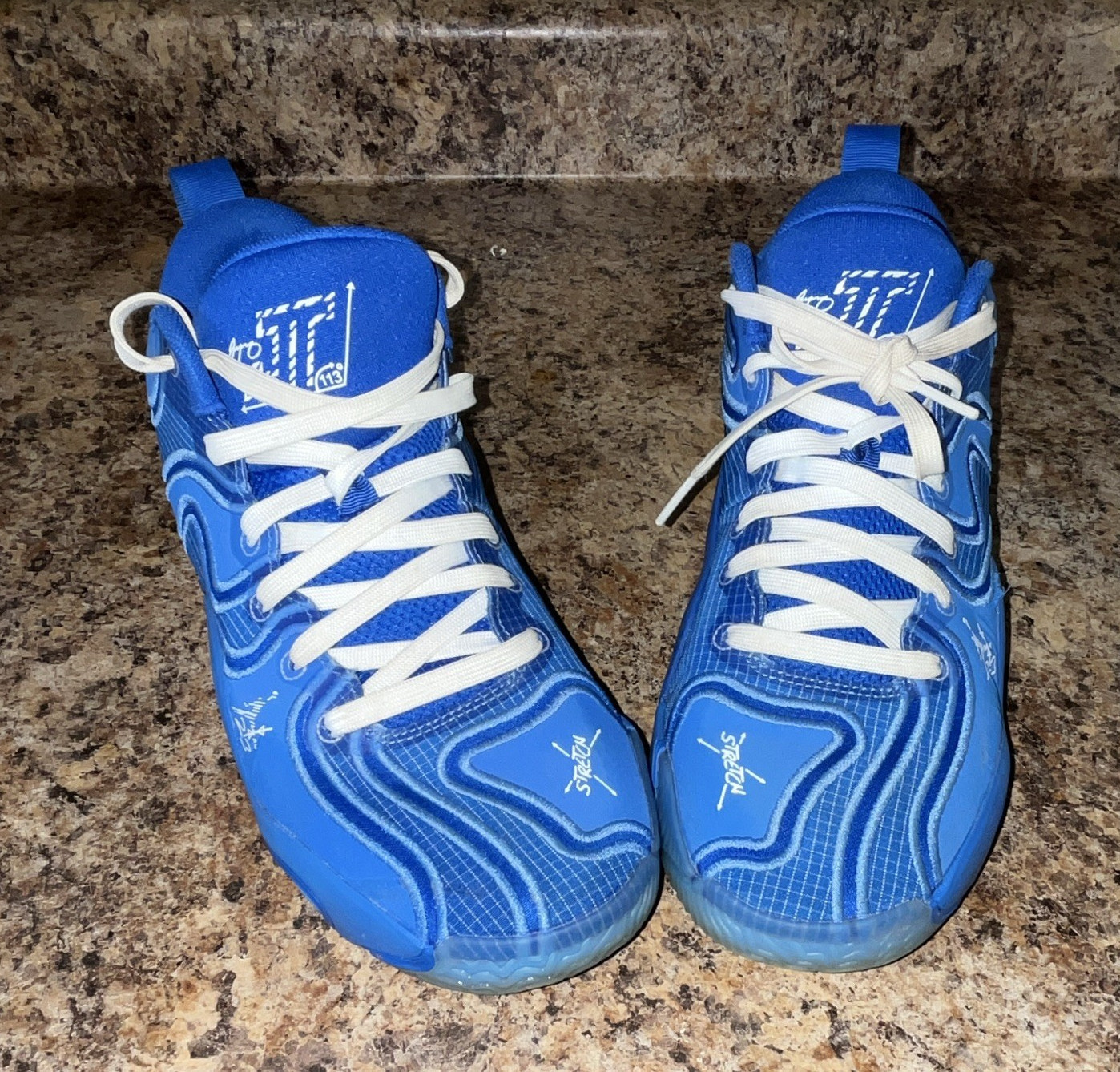


eBay links are affiliate links: JunkPal may earn a commission at no cost to you.