What does “clean” mean?
What it means
"Clean" in sneaker collecting denotes the physical state of the footwear regarding surface contamination. It means the shoes are free from visible dirt, scuffs, stains, and grime accumulated from wear. This is distinct from "deadstock," which implies the shoes have never been worn. A "clean" pair has been worn but meticulously maintained. For resellers, cleanliness is a direct indicator of the item's care history, influencing its perceived quality and market tier.
What it does to price
Condition directly correlates with price tiering. A pair rated "Clean" will command a premium over a "Used" or "Dirty" pair. The jump from heavily worn to clean can easily represent a 20% to 40% price increase, depending on the shoe's rarity. For a mid-tier, sought-after model, the difference between a dirty pair and a clean pair can easily be $50 to $150. Minor scuffs on high-wear areas (like the toe box) will reduce the premium, whereas overall pristine cleanliness maximizes the resale value.
How to spot it
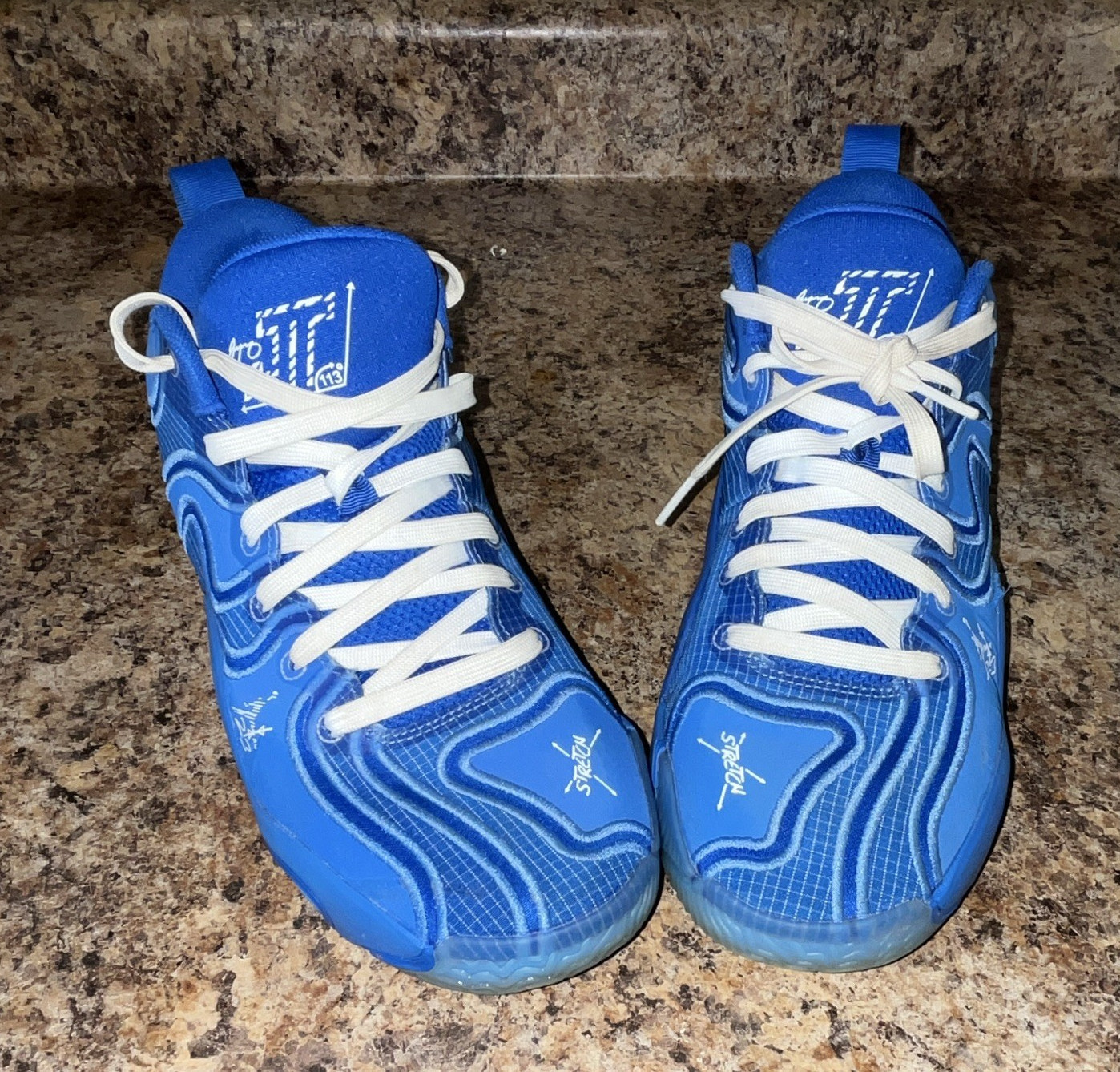
Visual inspection is key. Examine the midsoles, heel counters, and outsole edges for embedded dirt or discoloration. Check the upper material for hairline scratches or abrasion, even if the shoe is generally clean. Sellers must provide high-resolution, well-lit photos of all angles, especially the soles and tongue area. Be wary of sellers who use overly saturated or heavily filtered photos; these mask wear. A common mistake is confusing light dust with genuine grime; true grime adheres and stains material permanently.
Buying smart
Paying a premium for "Clean" is justified when the shoe is a highly desirable, limited-edition release, or when the price difference between "Clean" and "Used" is small relative to the shoe's overall market value. If a $300 shoe is listed for $150 in "Used" condition and $250 in "Clean," the $100 premium is a reasonable investment for the condition upgrade. If the shoe is common or low-value, the cost of professional cleaning may negate the resale benefit.
Selling smart
Listing a pair as "Clean" requires substantiation. The listing must include clear, unedited photos showing the shoes from multiple angles, focusing specifically on the soles and seams. A simple declaration like "Meticulously Clean" is weak; photographic evidence is the currency. Highlighting the care taken—e.g., "Professionally cleaned, minimal wear"—justifies the higher asking price and filters out low-ball offers from buyers who assume the shoes are dirty.
On eBay right now
Current asking prices from live listings — not sold-comp medians.



eBay links are affiliate links: JunkPal may earn a commission at no cost to you.