What does “certified authentic” mean?
What it means
"Certified authentic" means a third-party authentication company has inspected the sneakers and confirmed they are genuine products from the brand, not replicas or counterfeits. This is not a guarantee of condition or originality of the specific pair (e.g., if the shoes were damaged before authentication), but it verifies the manufacturing origin. The mainstream equivalent is a Certificate of Authenticity (COA), but in the sneaker market, the certification process itself—the physical inspection and documentation—is the value driver. It eliminates the risk associated with buying unverified high-demand releases.
What it does to price
Certification adds a direct premium to the asking price, mitigating the buyer's risk premium. For highly sought-after, high-value sneakers, a certified pair typically commands a 10% to 25% premium over an identical, unverified pair in the same condition. If an unverified pair sells for \$400, a certified pair often starts at \$440–\$500. This premium is most pronounced when the item is brand new or has a high aftermarket value. If the item is a low-tier, common release, the certification cost might exceed the added value, making the premium negligible or negative.
How to spot it
The certification itself is external proof, not an intrinsic feature of the shoe. However, the certification process relies on spotting manufacturing details. Buyers should request high-resolution photos of specific areas: stitching patterns, material texture matches (especially on suede or mesh), internal tags, and sole molding details. Common counterfeit errors include inconsistent font usage, incorrect sizing charts on tags, and poor material quality in areas like the tongue or lace loops. If the seller cannot provide clear, close-up photos matching the authentication service's stated inspection points, the certification's value is diminished.
Buying smart
Paying the premium is justified when the sneaker is a "grail" item—a highly limited, high-demand release where the resale value is substantial (e.g., Travis Scott collaborations, rare Jordans). If the market price for the shoe is already low or the scarcity is minor, the cost of authentication may outweigh the potential gain. A fair deal involves the certification cost being absorbed into the final price without an excessive markup. If a \$200 shoe requires a \$50 authentication fee, the final price should not exceed \$275 unless the market demands it.
Selling smart
Proving authenticity transforms a speculative sale into a de-risked transaction. Listings must explicitly state the authentication status and name the service used. The single most effective element is including a clear, high-resolution photo of the official authentication sticker or documentation provided by the third party. This single visual piece of evidence allows sellers to move from listing based on "condition" to listing based on "verified provenance," which directly supports a higher, more confident asking price.
On eBay right now
Current asking prices from live listings — not sold-comp medians.


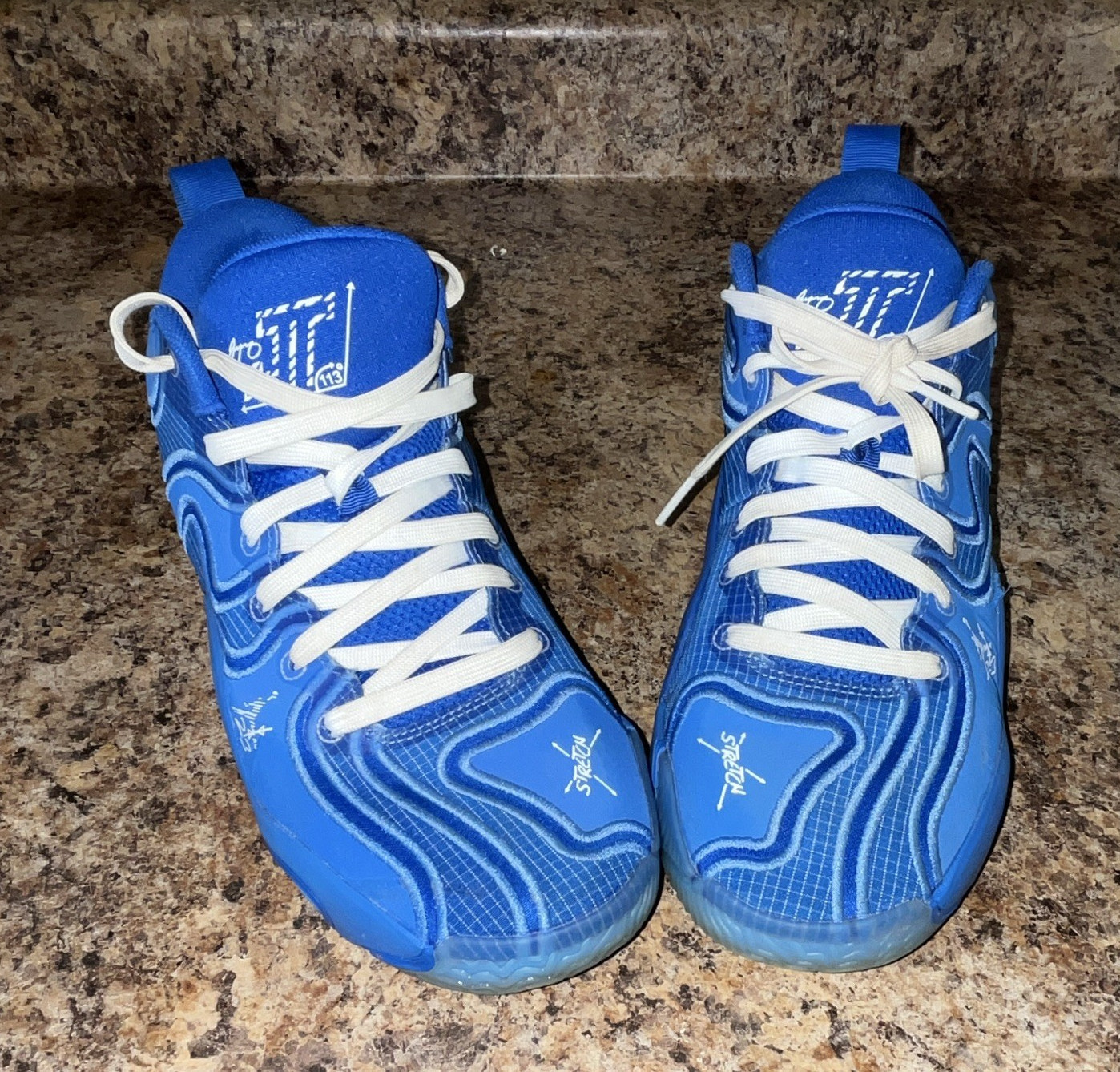


eBay links are affiliate links: JunkPal may earn a commission at no cost to you.