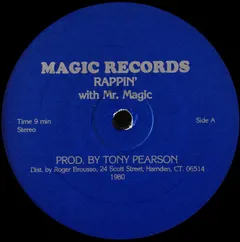
什么是母带识别?

含义解析

母带识别指的是物理刻印或压印在黑胶唱片唱片凹槽(runout groove)中的独特字母数字代码——即最后一张曲目和唱片标签之间的空白区域。这可以被视为该压制版本的“指纹”。这些标记通常包括母带切割编号、母带工程师的缩写以及厂牌代码。虽然其总体概念是识别一个特定的版本,但其细分应用在于区分不同的具体压制版本。母带代码不仅仅是一个目录号;它详细说明了唱片是如何被切割和压制的。在主流设备上,这类似于高端设备上的序列号。

对价格的影响

母带识别是价值的直接驱动因素。如果能通过特定的早期母带代码确认是首版压制(first pressing),在品相相当的前提下,其售价可以达到后期再版(reissue)或盗版(bootleg)的 2 倍到 5 倍。细微的差异,比如母带工程师缩写的变化,可以将一张唱片的价格从 50 美元的收藏品提升到 300 美元的投资品。相反,如果母带模糊不清或看起来像是现代的通用印章,价格会大幅下降,通常下降 40% 或更多,因为无法验证该压制版本。例如,一张带有知名且抢手的“A1/B1”母带的唱片,与后期的“A5/B5”版本相比,在中等稀有度的唱片上可能存在 75 到 150 美元的价差。

如何辨认

这些代码位于“死蜡”(dead wax,即靠近标签的平滑凹槽区域)。要寻找的是手工刻印的数字,而不仅仅是印刷的信息。关键的判断依据包括特定母带工程师缩写(例如“RL”或“TH”)的存在,以及压制厂牌代码的序列(例如“P-101”)。卖家必须提供清晰、光线充足的唱片凹槽两侧的高分辨率照片。常见的错误是卖家仅根据唱片封套艺术就将再版误认为是首版。假货通常表现为刻痕潦草、不一致,或者在预期应有手工刻印的地方使用了现代、统一的印章。

明智购买

只有当唱片本身已知是稀有或极具收藏价值的(例如有影响力的专辑的早期压制版)时,为母带验证支付溢价才是合理的。如果唱片很常见,或者两个母带代码之间的差异很小,那么验证所增加的成本往往超过了潜在的收益。一个公平的交易要求卖家提供清晰、可验证的证据,证明母带代码与该特定发行的既定数据库相符。如果卖家拒绝拍摄凹槽照片,则应将其视为未经核实的、低等级的物品。

明智销售

证明母带识别能将一个普通销售列表提升为一个专业的收藏品销售。一张清晰展示特定、理想母带代码(例如“Matrix: A1/B1”)的照片,能立即向有知识的买家传达其真实性和稀有性。这一个证据就允许卖家收取与该特定压制版本相关的溢价。标题中加上“Verified Matrix”(已验证母带),并辅以照片,是促使该物品进入更高价格区间的触发点。

On eBay right now

Current asking prices from live listings — not sold-comp medians.

See all ↗

eBay links are affiliate links: JunkPal may earn a commission at no cost to you.

Resale values related to 母带识别 (Matrix Identification)

Shop 母带识别 (Matrix Identification) on eBay ↗

JunkPal may earn a commission when you buy through eBay links, at no extra cost to you.

What’s worth the most

Ranked on medians of real closed eBay sales, not asking prices.

More Vinyl & Music terms

acceptableThis term is a subjective descriptor used when grading the physical condition of a vinyl record, usually in conjunction with established grading scales like Golanalog fidelityThis refers to the accuracy with which a vinyl record reproduces the original sound captured during the recording process. High analog fidelity means the playbaartwork variationThis refers to subtle or significant differences in the packaging, sleeve design, or inserts accompanying a vinyl record pressing. These variations can include audio qualityThis refers to the fidelity and sonic characteristics of the vinyl record when played back. It encompasses aspects like the clarity of highs, the depth and richaudiophile gradeThis descriptor refers to vinyl records that meet exceptionally high standards of audio fidelity, often implying superior pressing quality, mastering techniquesaudiophile pressingAn audiophile pressung is a vinyl record manufactured with superior materials and mastering techniques to achieve maximum sonic fidelity, commanding a premium paudiophile vinylThis term describes vinyl records that are specifically chosen or produced with a focus on superior sound quality, often exceeding standard consumer grade. AudibarcodeThis refers to the scannable UPC or EAN code printed on the vinyl record sleeve or inner sleeve. For collectors and resellers, the presence and integrity of thebarcode numberThis is the unique identifying number printed on the vinyl record sleeve, often found near the price or catalog information. For collectors and resellers, this bass responseThis refers to the frequency range and depth of low-end sounds reproduced by a turntable setup, including the vinyl record, stylus, cartridge, and speakers. A gbelt driveThis refers to the mechanism used in a turntable to move the platter, typically involving a belt connecting a motor to the platter. Belt-drive systems are generbootlegA bootleg refers to a recording or pressing of music that has been made without the official authorization or licensing of the original artist or record label. bootleg pressingThis refers to a vinyl record that has been reproduced without the official authorization or involvement of the original record label or artist. Bootlegs are uncartridgeThis is the small, crucial component that sits in the turntable's tonearm and reads the grooves of the vinyl record. It consists of a stylus, which is the tiny
All Vinyl & Music terms →