Vinyl Speed là gì?
Ý nghĩa của nó
Tốc độ đĩa than (Vinyl speed) là vận tốc quay của đĩa, được đo bằng vòng/phút (RPM). Đây không chỉ là một cài đặt phát lại; nó là một phần cơ bản của quá trình mastering (thu âm/hoàn thiện bản thu). Các đĩa được khắc và cắt vật lý để phù hợp với một tốc độ cụ thể (33 1/3, 45, hoặc 78 RPM). Phát đĩa ở tốc độ sai sẽ gây ra sai lệch về cao độ (wow và flutter), méo tần số và làm mòn rãnh đĩa nhanh hơn. Đối với nhà sưu tập, tốc độ xác nhận định dạng dự kiến của bản phát hành—LP thường là 33 1/3 RPM, đĩa đơn (singles) là 45 RPM, và các bản shellac/vinyl đời cũ là 78 RPM.
Ảnh hưởng đến giá
Tính nhất quán về tốc độ ảnh hưởng đến giá trị chủ yếu thông qua tình trạng và tính đầy đủ, chứ không phải là một hệ số nhân độc lập trừ khi tốc độ bị sai hoặc mơ hồ. Một đĩa được sản xuất và bán như một LP 33 1/3 RPM nhưng thực chất lại là đĩa đơn 45 RPM sẽ làm giảm đáng kể giá trị của nó, có thể giảm 50% hoặc hơn, vì nó bị nhận dạng sai. Nếu một bản sản xuất được biết là một biến thể tốc độ hiếm, cụ thể (ví dụ: bản quảng cáo 78 RPM giới hạn), yếu tố hiếm có sẽ được áp dụng, có khả năng tăng gấp 2 lần giá trị cơ bản so với bản tiêu chuẩn. Một sai lầm phổ biến là liệt kê một LP 33 1/3 RPM như một đĩa đơn 45 RPM; sự nhận dạng sai này có thể khiến người mua đánh giá thấp món hàng từ $20–$50 tùy thuộc vào thể loại và thị trường.
Cách nhận biết
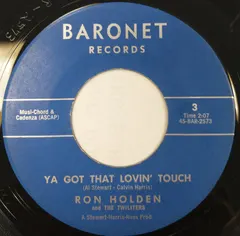
Tốc độ gần như luôn được chỉ định trên nhãn trung tâm của đĩa. Hãy tìm ký hiệu RPM được in rõ ràng gần lỗ trục hoặc trong thông tin danh sách bài hát. Bao bì đôi khi liệt kê tốc độ, nhưng nhãn là nguồn thông tin xác định. Một sai lầm trung thực phổ biến là nhãn bị hư hỏng, che khuất tốc độ. Các bản giả hoặc bản đã bị chỉnh sửa có thể bị xóa hoặc thay thế thông tin nhãn bằng kỹ thuật số. Nếu nhãn bị mòn, người bán phải cung cấp ảnh độ phân giải cao của nhãn trung tâm, tập trung vào văn bản in xung quanh số catalog.
Mua sắm thông minh
Việc trả thêm tiền để xác minh tốc độ là cần thiết khi đĩa được săn đón nhiều, hiếm, hoặc nếu người bán không rõ ràng về bản sản xuất. Nếu tốc độ được dán nhãn rõ ràng và khớp với định dạng mong đợi (ví dụ: 33 1/3 RPM cho một album tiêu chuẩn), khoản phụ phí là tối thiểu. Một giao dịch công bằng đòi hỏi người bán phải xác nhận tốc độ thông qua hình ảnh rõ ràng. Nếu người bán từ chối cung cấp ảnh nhãn, rủi ro quá cao đối với một giao dịch đắt tiền, và giao dịch đó không công bằng.
Bán hàng thông minh
Chứng minh tốc độ chính xác trong danh sách ngay lập tức xây dựng lòng tin của người mua và biện minh cho giá yêu cầu. Người mua cảnh giác với các phương tiện bị dán nhãn sai hoặc bị hư hỏng. Bức ảnh duy nhất mang lại mức giá cao hơn là ảnh chụp cận cảnh, được chiếu sáng tốt của nhãn trung tâm đĩa, hiển thị rõ ràng ký hiệu RPM. Việc liệt kê tốc độ trong tiêu đề (ví dụ: "Jazz LP - 33 1/3 RPM") hoạt động như một bộ lọc, thu hút những người mua nghiêm túc biết sự khác biệt, từ đó đòi hỏi mức giá cao hơn và chính xác hơn.
On eBay right now
Current asking prices from live listings — not sold-comp medians.


eBay links are affiliate links: JunkPal may earn a commission at no cost to you.
Resale values related to tốc độ đĩa than
Shop tốc độ đĩa than on eBay ↗





JunkPal may earn a commission when you buy through eBay links, at no extra cost to you.
What’s worth the most
Ranked on medians of real closed eBay sales, not asking prices.