Điểm bão hòa vinyl là gì?
Ý nghĩa của nó
Điểm bão hòa vinyl xác định ngưỡng mà tại đó nguồn cung sẵn có của một mặt hàng vinyl cụ thể—thể loại, nghệ sĩ hoặc bản in—vượt xa nhu cầu mua ổn định. Đây là sự tương đương của tình trạng dư cung trên thị trường. Khái niệm chính thống là sự bão hòa thị trường. Đối với người sưu tập và người bán lại, điều này có nghĩa là tốc độ hàng tồn kho mới đổ vào thị trường thứ cấp đang áp đảo tốc độ mua hàng của hàng tồn kho hiện có với giá cao cấp. Nó không phải là việc một đĩa cụ thể bán hết; mà là về *số lượng* các đĩa tương tự có sẵn.
Ảnh hưởng đến giá cả
Sự bão hòa trực tiếp kìm hãm tiềm năng tăng trưởng. Khi nguồn cung vượt quá nhu cầu, sự tăng giá sẽ chững lại hoặc đảo ngược. Đối với một thể loại bị bão hòa cao (ví dụ: các bản tái bản synth-pop thập niên 80 thịnh hành), một bản cũ tiêu chuẩn có thể giao dịch ở mức $15-$25, trong khi một bản niche đáng giá tương đương có thể giữ ở mức $40-$75. Việc dư cung làm giảm giá sàn. Ví dụ, nếu một hãng đĩa indie cụ thể phát hành năm biến thể vinyl màu giống hệt nhau của một album nổi tiếng trong một tháng, giá của cả năm bản đó có khả năng sẽ giảm 10-20% trong vòng vài tuần khi thị trường hấp thụ lượng hàng dư thừa.
Cách nhận biết
Việc nhận biết sự bão hòa đòi hỏi phải theo dõi tốc độ đăng bán, chứ không chỉ là các giao dịch bán lẻ riêng lẻ. Hãy tìm kiếm sự gia tăng nhanh chóng và bền vững về số lượng các listing đang hoạt động cho một SKU hoặc thẻ thể loại cụ thể mà không có sự tăng đột biến tương ứng về sự cường điệu của truyền thông hoặc đánh giá phê bình. Hãy kiểm tra "sự mệt mỏi về biến thể" (variant fatigue)—khi một hãng đĩa phát hành hơn 10 màu khác nhau của cùng một album trong một khoảng thời gian ngắn. Dấu hiệu rõ ràng của sự bão hòa là khi một đĩa trước đây bán với giá $30 đột nhiên xuất hiện liên tục trên nhiều nền tảng với giá $12-$18. Người bán có thể sử dụng các mô tả chung chung khi sự bão hòa cao, cho thấy sự thiếu khan hiếm được cảm nhận.
Mua sắm thông minh
Việc trả giá cao cho một mặt hàng trong một danh mục đã biết là bão hòa hiếm khi là một khoản đầu tư hợp lý trừ khi mặt hàng đó sở hữu một thuộc tính độc đáo, không thể sao chép (ví dụ: nghệ thuật bìa độc đáo, vinyl dập tay). Nếu mặt hàng đó chỉ là một bản in tiêu chuẩn của một âm thanh phổ biến, sản xuất hàng loạt, thì mức giá cao đó là rủi ro đầu cơ. Một giao dịch công bằng trong thị trường bão hòa là khi giá gần với giá niêm yết trung bình trên thị trường thứ cấp, có thể thấp hơn 10-15%, thay vì chạy theo mức giá đỉnh thổi phồng được thấy trong giai đoạn cường điệu ban đầu.
Bán hàng thông minh
Chứng minh sự khan hiếm là động lực chính thúc đẩy giá cao cấp khi có rủi ro bão hòa. Nếu bán một mặt hàng, tài liệu chứng minh tính hiếm có của nó—chẳng hạn như nhãn dán nhà máy gốc, các khắc matrix/runout groove cụ thể, hoặc ảnh độ phân giải cao về các lỗi/tính năng bao bì độc đáo—sẽ biện minh cho mức giá yêu cầu cao hơn. Thuật ngữ "Deadstock" (CIB - Còn nguyên seal) là tiêu chuẩn, nhưng để tránh bão hòa, cụm từ "First Pressing" (Bản in đầu tiên) hoặc "Limited Run Variant" (Biến thể số lượng giới hạn) được hỗ trợ bằng bằng chứng xác minh sẽ mang lại mức giá cao hơn so với mô tả chung chung "Used/Good" (Đã qua sử dụng/Tốt).
On eBay right now
Current asking prices from live listings — not sold-comp medians.


eBay links are affiliate links: JunkPal may earn a commission at no cost to you.
Resale values related to điểm bão hòa vinyl
Shop điểm bão hòa vinyl on eBay ↗

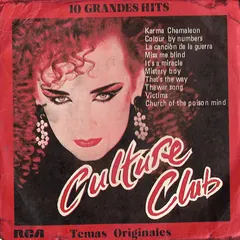

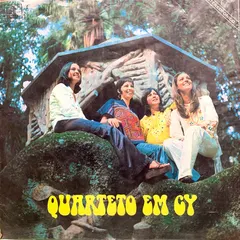
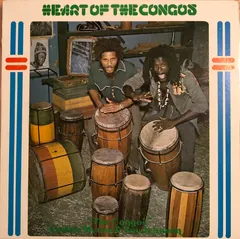
JunkPal may earn a commission when you buy through eBay links, at no extra cost to you.
What’s worth the most
Ranked on medians of real closed eBay sales, not asking prices.