Vật phẩm vinyl là gì?
Ý nghĩa của nó
Vật phẩm vinyl là một bản thu âm mà giá trị của nó được quyết định bởi các thuộc tính vật lý hoặc lịch sử, chứ không chỉ riêng âm nhạc. Điều này vượt xa việc đánh giá tình trạng tiêu chuẩn (Mint, VG+, v.v.). Trạng thái vật phẩm áp dụng cho các bản ép đặc biệt, lỗi sản xuất cụ thể, các biến thể bao bì hiếm, hoặc nguồn gốc có thể kiểm chứng được. Thuật ngữ tương đương phổ thông là "biến thể sưu tầm" hoặc "món đồ có ý nghĩa lịch sử". Trọng tâm chuyển từ chất lượng âm thanh sang sự khan hiếm hữu hình và lịch sử được ghi chép.
Ảnh hưởng đến giá cả
Trạng thái vật phẩm tạo ra sự gia tăng giá trị phi tuyến tính. Một bản ép thông thường, phổ biến có thể bán với giá $20. Một phiên bản vật phẩm của cùng đĩa đó, do lỗi nhãn hiệu cụ thể hoặc biến thể bìa độc đáo, có thể dễ dàng đạt giá gấp 3 đến 10 lần, có khả năng lên tới $60 đến $200 hoặc hơn tùy thuộc vào mức độ quan trọng. Các lỗi nhỏ, không được ghi chép (ví dụ: một vết xước nhỏ) sẽ làm giảm giá trị vật phẩm; các lỗi lớn, được ghi chép (ví dụ: số matrix in sai) sẽ làm tăng giá. Một bản thu âm có nguồn gốc được ghi chép (ví dụ: "thuộc sở hữu của nhạc sĩ X") có thể có mức giá cao hơn 50-100% so với một bản sao giống hệt nhưng không có tài liệu.
Cách nhận biết
Để nhận ra một vật phẩm, cần phải kiểm tra chi tiết. Hãy kiểm tra các rãnh matrix/runout để tìm các khắc hoặc mã cụ thể cho thấy một đợt sản xuất giới hạn hoặc bản thử nghiệm. Xem xét bìa đĩa để tìm các lỗi in cụ thể, chẳng hạn như sự thay đổi màu sắc, văn bản lệch, hoặc vị trí nhãn dán độc đáo. Đối với các bản ép, hãy so sánh phần gáy hoặc hình ảnh bìa bên trong với các hình ảnh tham khảo đã biết của bản phát hành cụ thể đó. Người bán phải cung cấp ảnh độ phân giải cao của nhãn đĩa, phần deadwax (rãnh runout), và toàn bộ bìa từ nhiều góc độ. Hãy cảnh giác với những người bán tuyên bố trạng thái "hiếm" mà không cung cấp bằng chứng xác thực về biến thể đó.
Mua sắm thông minh
Việc trả giá cao hơn cho một vật phẩm là hợp lý khi biến thể đó được ghi chép, có thể kiểm chứng và thực sự khan hiếm trên thị trường. Nếu người bán tuyên bố có một biến thể hiếm nhưng không thể cung cấp bằng chứng hình ảnh rõ ràng về đặc điểm phân biệt, thì mức giá cao đó có thể bị thổi phồng hoặc bịa đặt. Một giao dịch công bằng là mức giá phản ánh sự khan hiếm *được ghi chép*, chứ không chỉ là sự khan hiếm *được tuyên bố*. Nếu trạng thái vật phẩm mơ hồ ("trông cũ"), hãy coi nó là một món đồ sưu tầm tiêu chuẩn trừ khi có bằng chứng chứng minh điều ngược lại.
Bán hàng thông minh
Để tối đa hóa lợi nhuận, danh sách bán hàng phải xác định rõ ràng *tại sao* bản thu âm đó là một vật phẩm. Đừng sử dụng các thuật ngữ chung chung. Hãy nêu rõ biến thể cụ thể: "Bản ép US đầu tiên, lỗi nhãn xanh," hoặc "Bìa gấp giới hạn với phụ lục có chữ ký tay." Tài sản giá trị nhất trong danh sách là một bức ảnh độ phân giải cao, rõ nét, cô lập đặc điểm vật phẩm—lỗi in cụ thể, nhãn dán độc đáo, hoặc mã matrix cụ thể. Tài liệu này chuyển món đồ từ "đĩa nhạc" thành "tài sản sưu tầm," biện minh cho mức giá cao cấp.
On eBay right now
Current asking prices from live listings — not sold-comp medians.


eBay links are affiliate links: JunkPal may earn a commission at no cost to you.
Resale values related to vật phẩm vinyl
Shop vật phẩm vinyl on eBay ↗
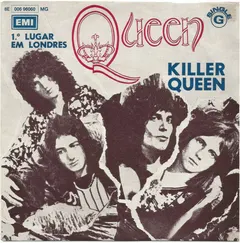

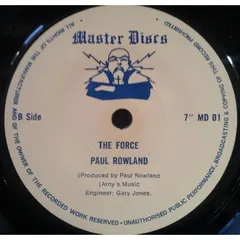


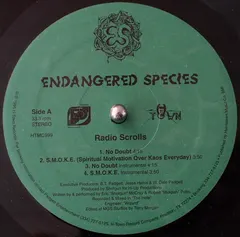
JunkPal may earn a commission when you buy through eBay links, at no extra cost to you.
What’s worth the most
Ranked on medians of real closed eBay sales, not asking prices.