Màu nhãn là gì?
Ý nghĩa của nó
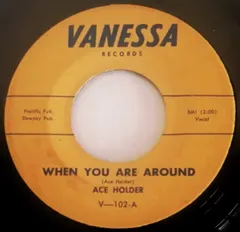
Màu nhãn là cách thể hiện màu sắc cụ thể—sắc thái, hoa văn hoặc thiết kế—được in trên đĩa trung tâm của đĩa vinyl. Điều này không chỉ mang tính thẩm mỹ; nó hoạt động như một mã nhận dạng danh mục chính. Đối với nhà sưu tập và người bán lại, màu nhãn đóng vai trò là một cách viết tắt cho các chi tiết sản xuất. Sự khác biệt về màu sắc hoặc thiết kế thường chỉ ra các lần sản xuất cụ thể: lần in đầu tiên, bản thử nghiệm (test pressings), các biến thể khu vực, hoặc các ấn phẩm quảng cáo (promo issues). Nó là một chỉ báo trực tiếp về nguồn gốc sản xuất của đĩa, phân biệt nó với các lần in tiêu chuẩn sau này.
Ảnh hưởng đến giá cả
Màu nhãn là một yếu tố thúc đẩy giá trị đáng kể, mặc dù không phải lúc nào cũng là yếu tố quyết định. Một biến thể màu sắc được biết đến và được săn đón có thể mang lại hệ số nhân từ 1.5x đến 4x so với một bản in tiêu chuẩn cùng tình trạng. Ngược lại, một màu sắc được biết là bản tái bản phổ biến có thể làm giảm giá trị từ 20-30%. Ví dụ, một bản thử nghiệm được tô màu thủ công hiếm có của một album kinh điển có thể bán được $150 lẻ, trong khi một bản in nhãn đen tiêu chuẩn của cùng album trong tình trạng tương tự có thể bán được $40. Độ hiếm của màu sắc cụ thể sẽ quyết định mức giá cao hơn.
Cách nhận biết
Việc nhận dạng đòi hỏi phải kiểm tra kỹ lưỡng. Hãy nhìn xa hơn màu sắc chung; hãy xem xét độ bão hòa mực cụ thể, phông chữ được sử dụng cho số catalog, và bất kỳ lỗi in tinh tế nào liên quan đến lô màu đó. Người bán phải cung cấp ảnh độ phân giải cao, được chiếu sáng tốt của nhãn trung tâm, lý tưởng nhất là cho thấy toàn bộ mặt đĩa. Các vấn đề phổ biến bao gồm lỗi in (misprints)—khi màu dự định bị lem hoặc dịch chuyển—mà có thể là lỗi vô ý hoặc dấu hiệu của một bản in chất lượng thấp hơn. Các biến thể xác thực thường được ghi lại trong các hướng dẫn in chuyên biệt hoặc các diễn đàn của nhà sưu tập.
Mua sắm thông minh
Việc trả thêm tiền cho màu nhãn là hợp lý khi biến thể đó được ghi nhận là một lần in khan hiếm, có thể xác minh (ví dụ: một bản in châu Âu sớm cụ thể). Nếu người bán không thể cung cấp nguồn gốc rõ ràng hoặc ảnh tham khảo khớp với các biến thể đã biết, khoản phụ phí đó là rủi ro đầu cơ. Một giao dịch công bằng là khi giá chào bán phản ánh dữ liệu thị trường đã được thiết lập cho sự kết hợp màu/lần in cụ thể đó. Nếu sự khác biệt giữa giá tiêu chuẩn và giá biến thể ít hơn 50% tổng giá chào bán, khoản phụ phí có thể không đáng để mạo hiểm trừ khi biến thể đó cực kỳ hiếm.
Bán hàng thông minh
Chứng minh màu nhãn là cơ chế chính để thiết lập giá trị cao cấp. Bài đăng phải có một bức ảnh sắc nét, tập trung vào nhãn, lý tưởng nhất là có thước kẻ hoặc đồng xu trong khung để tham chiếu tỷ lệ, và tên màu/biến thể chính xác được nêu rõ trong mô tả. Việc sử dụng biệt ngữ cụ thể (ví dụ: "Blue Label Variant," "Promo Red") ngay lập tức báo hiệu chuyên môn và tính xác thực cho những người mua am hiểu, biện minh cho mức giá chào bán cao hơn.
On eBay right now
Current asking prices from live listings — not sold-comp medians.


eBay links are affiliate links: JunkPal may earn a commission at no cost to you.
Resale values related to màu nhãn
Shop màu nhãn on eBay ↗





JunkPal may earn a commission when you buy through eBay links, at no extra cost to you.
What’s worth the most
Ranked on medians of real closed eBay sales, not asking prices.