O que são cliques no vinil?
O que significa
Cliques no vinil referem-se a ruídos transientes audíveis — estalos, chiados ou estática — que ocorrem durante a reprodução de um disco. Esses sons são ruído de superfície. Nem todos os cliques indicam dano físico; alguns são inerentes ao composto do vinil, imperfeições da prensagem ou à idade. A distinção sutil é entre *ruído de superfície* aceitável (muitas vezes aceito como parte do charme vintage) e *ruído disruptivo* (interrupções severas e constantes). Equivalente comum: imperfeições audíveis na reprodução de áudio.
Como afeta o preço
O nível de ruído se correlaciona diretamente com a desejabilidade e o valor de revenda. Ruído de superfície leve e infrequente em uma prensagem desejável geralmente acarreta um desconto mínimo, talvez 5-10% em relação a uma cópia impecável. Cliques ou chiados moderados e persistentes reduzem significativamente o valor, muitas vezes justificando uma redução de 20-40%. Ruído severo e constante torna o disco funcionalmente defeituoso, derrubando o preço para perto do custo ou abaixo, independentemente da raridade da prensagem. Exemplo: Uma prensagem rara dos anos 70 com estalos leves e intermitentes pode ser vendida por $150; a mesma prensagem com chiado alto e constante pode ser vendida por $80.
Como identificar
Identificar cliques requer verificação por reprodução. A inspeção visual é insuficiente. Os vendedores devem fornecer amostras de áudio ou permitir testes em um toca-discos limpo. Procure por padrões de ruído consistentes: é um tremor rítmico (muitas vezes relacionado à reprodução/toca-discos) ou estalos aleatórios (relacionados à superfície do vinil)? Erros honestos geralmente envolvem armazenamento inadequado que leva a empenamento ou entrada de poeira. Falsificações raramente replicam a natureza sutil e orgânica do ruído de superfície genuíno; muitas vezes soam artificialmente altos ou digitalizados. Sempre solicite clipes de áudio de alta resolução se houver dúvidas.
Comprando com inteligência
Pagar um valor premium por um disco com cliques audíveis só é justificado quando o *conteúdo* é excepcionalmente raro, historicamente significativo ou muito procurado, e o nível de ruído é mínimo. Se o disco for comum ou a qualidade do áudio for o principal atrativo, evite-o se os cliques forem perceptíveis. Um negócio justo envolve um preço que reflita a *experiência de audição* após contabilizar o ruído. Se os cliques forem altos o suficiente para distrair da música, o preço deve refletir essa limitação funcional.
Vendendo com inteligência
A transparência sobre o ruído de superfície maximiza a confiança do comprador e garante um preço mais alto. Descrever o nível de ruído com precisão — por exemplo, "Ruído de superfície leve típico da idade", versus "Chiado moderado e disruptivo" — é fundamental. Fornecer um clipe de áudio curto e limpo demonstrando o nível de ruído é a maneira mais eficaz de gerenciar expectativas. Uma descrição clara e honesta do nível de ruído garante o prêmio associado a uma venda precisa, prevenindo devoluções ou feedback negativo por falhas não divulgadas.
On eBay right now
Current asking prices from live listings — not sold-comp medians.


eBay links are affiliate links: JunkPal may earn a commission at no cost to you.
Resale values related to cliques no vinil
Shop cliques no vinil on eBay ↗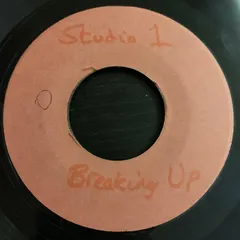


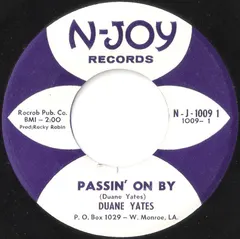


JunkPal may earn a commission when you buy through eBay links, at no extra cost to you.
What’s worth the most
Ranked on medians of real closed eBay sales, not asking prices.