What does “wow” mean?
What it means
"Wow" refers to the rotational speed of a vinyl record, measured in Revolutions Per Minute (RPM). This is not a generic descriptor but a technical specification. Standard Long Play (LP) records are pressed and mastered for 33 1/3 RPM. Singles (45 RPM) and 7-inch records are typically 45 RPM. The grooves are physically cut to specific frequencies calibrated for these precise speeds. Incorrect speed causes pitch shifting, wow/flutter (wavering tone), and frequency distortion. For collecting, the correct RPM is a fundamental aspect of the record's technical integrity.
What it does to price
Speed accuracy is a baseline requirement, not a primary value driver unless the pressing itself is unusual. A record playing at the correct, documented speed commands the expected market rate. If a record is known to have been mislabeled or pressed incorrectly (e.g., a 33 RPM pressing running at 45 RPM), its value can drop by 20-40% due to compromised audio quality. Conversely, if a rare, specialized pressing *requires* a specific, non-standard speed (e.g., 78 RPM), confirming this speed is necessary to justify a premium. A verified, correct speed on a sought-after pressing ensures the buyer pays the full collector premium.
How to spot it
The correct speed is determined by the record label and pressing information, not always by the vinyl itself. Check the matrix runout groove etching (the small text near the label) for speed indicators, though this is rare. More reliably, check the accompanying sleeve or any documentation provided by the original pressing plant. For modern reissues, the label will explicitly state the speed (e.g., "33 1/3 RPM"). A common mistake is assuming all 12-inch records are 33 1/3 RPM; always verify the catalog number against known pressing data. Fakes or poor copies may lack clear, verifiable speed markings.
Buying smart
Paying a premium for speed confirmation is warranted only when the record is highly valuable, rare, or known to have specific technical requirements. If buying a common pressing, the cost of verification (e.g., borrowing a known good turntable) is negligible compared to the purchase price. A fair deal involves the seller confirming the speed matches the pressing standard, especially for vintage pressings where original documentation is absent. If a seller cannot confirm the speed, the price should be discounted by at least 15% to account for potential playback risk.
Selling smart
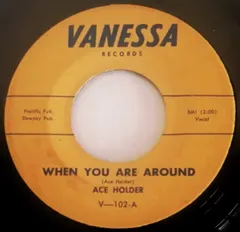
Listing the correct RPM is non-negotiable for serious sales. Including a clear statement like "Pressed and verified at 33 1/3 RPM" or "Original 45 RPM single" immediately filters out low-effort buyers and validates the item's technical condition. This verification shifts the item from "used vinyl" to "verified media," justifying the upper end of the expected price range. The single most effective detail is a close-up photo of the label showing the catalog number, which can then be cross-referenced online to confirm the intended speed.
On eBay right now
Current asking prices from live listings — not sold-comp medians.


eBay links are affiliate links: JunkPal may earn a commission at no cost to you.
Resale values related to wow
Shop wow on eBay ↗





JunkPal may earn a commission when you buy through eBay links, at no extra cost to you.
What’s worth the most
Ranked on medians of real closed eBay sales, not asking prices.