What does “vinyl wow” mean?
What it means
Vinyl wow is an audible speed fluctuation during playback. The record spins at inconsistent speeds, causing the pitch to waver or drift, sounding like a slow, cyclical wobble in the audio. This is distinct from flutter, which is a high-frequency, rapid pitch instability. In the collecting niche, wow is categorized as a mechanical playback defect, not a surface groove issue (like noise or skips). The mainstream equivalent is speed inconsistency. Wow is almost always attributable to the playback equipment—turntable motor instability, belt slippage, or platter imbalance—rather than the vinyl itself, though severe, inherent disc warping can mimic this effect.
What it does to price
The presence of significant wow is a major devaluation factor. A record graded VG+ or better with no audible wow commands a premium. If wow is present, the grade must be adjusted downward, typically to VG or lower, even if the surface condition appears clean. For a desirable, sought-after pressing, noticeable wow can result in a 30% to 60% reduction in sale price compared to a flawless copy. For example, a rare first pressing that normally sells for $150 might sell for $90–$105 if it exhibits clear wow. Minor, barely perceptible wow might only warrant a 10% discount.
How to spot it
Wow cannot be definitively spotted by visual inspection of the vinyl surface alone. It requires playback. Sellers must provide audio samples or allow inspection on a calibrated unit. When reviewing photos, look for any mention of "speed issues" in the description, as this is a direct admission of the defect. Be wary of sellers claiming "mint condition" if they do not offer playback evidence. A common mistake is confusing wow with heavy surface noise; wow is a pitch issue, noise is a texture issue.
Buying smart
Paying a premium for a record with known, significant wow is rarely justifiable unless the record is otherwise irreplaceable (e.g., the only known copy of a highly sought-after bootleg). If the wow is minor and intermittent, and the pressing itself is extremely rare, the risk might be acceptable for a niche buyer. A fair deal involves a significant discount commensurate with the severity of the wobble. If the seller claims it is "just a little wow" but it is clearly audible, the price is inflated.
Selling smart
Listing a record with wow requires transparency. Hiding this defect leads to returns and negative feedback. Instead of omitting the flaw, list it clearly in the condition notes (e.g., "Note: Exhibits minor wow on playback"). If the wow is severe, the listing description must state this upfront. The single most effective action is providing a short, unedited audio clip demonstrating the wobble. This preempts buyer complaints and justifies the reduced asking price, establishing credibility.
On eBay right now
Current asking prices from live listings — not sold-comp medians.


eBay links are affiliate links: JunkPal may earn a commission at no cost to you.
Resale values related to vinyl wow
Shop vinyl wow on eBay ↗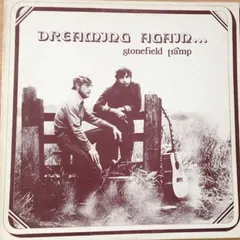


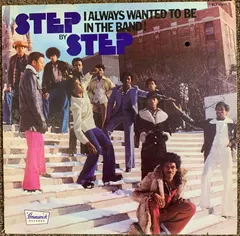
JunkPal may earn a commission when you buy through eBay links, at no extra cost to you.
What’s worth the most
Ranked on medians of real closed eBay sales, not asking prices.