What does “vinyl wear” mean?
What it means
Vinyl vinyl wear is the physical degradation of the record's playing surface. This encompasses all forms of surface imperfections, ranging from light, superficial scuffs (often invisible without direct light) to deeper scratches that affect the groove structure. In the collecting niche, this is distinct from general "play wear," though they overlap. Play wear refers to the cumulative sonic impact of playback, while vinyl wear is the physical damage itself. The mainstream equivalent is simply "condition." Wear is categorized using standard grading scales (e.g., VG+, EX, NM), with each grade representing a specific tolerance for surface noise and cosmetic flaws.
What it does to price
Wear dictates the market tier. Near Mint (NM) records, exhibiting minimal to no visible wear, command the highest premiums. A record graded Mint (M) or NM can fetch 1.5x to 3x the price of an identical copy graded Very Good Plus (VG+). Surface noise—the audible result of wear—is the primary price killer. A record with loud, constant surface noise (often graded VG or lower) may sell for 20-40% of its NM counterpart, regardless of its pressing rarity. For example, a rare 1970s pressing in NM might sell for $150, while the same pressing with heavy, audible groove wear might drop to $60.
How to spot it
Visual inspection requires a bright, directional light source, often angled across the surface to catch micro-scratches. Light scuffs are often cosmetic only; deeper scratches that cross the groove path are audible defects. Sellers must provide high-resolution photos of the entire surface, including the label and run-out groove area. A common mistake is confusing dust/smudges (easily cleaned) with actual scratches. Fakes or misleading listings often omit photos showing the actual playback surface, relying only on the sleeve condition.
Buying smart
Paying a premium for high-grade vinyl is justifiable when the record is a high-demand, rare pressing, or when the sonic quality is paramount to the collection goal. If the record is common or the price difference between VG+ and NM is less than 25% of the asking price, the risk of buying a cosmetically perfect copy that still has audible flaws is too high. A fair deal means the grade listed accurately reflects the audible experience; a $100 record should sound close to pristine if graded NM.
Selling smart
Accurate documentation of wear maximizes sale price by managing buyer expectations. Listing the specific grade (e.g., "VG+ with light surface noise") prevents disputes. The single most valuable element in a listing is a close-up photograph taken under direct light, specifically highlighting any noticeable scratches or swirl marks. Using precise language—differentiating between "cosmetic scuffs" and "groove wear"—allows buyers to self-qualify, leading to fewer returns and higher perceived value for the documented condition.
On eBay right now
Current asking prices from live listings — not sold-comp medians.


eBay links are affiliate links: JunkPal may earn a commission at no cost to you.
Resale values related to vinyl wear
Shop vinyl wear on eBay ↗

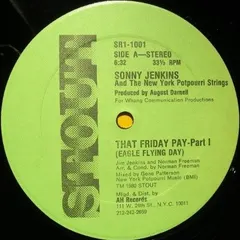
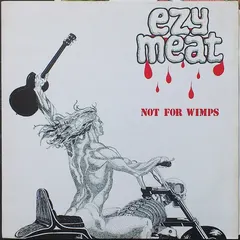

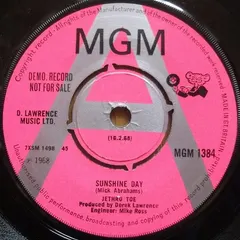

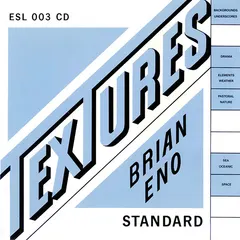
JunkPal may earn a commission when you buy through eBay links, at no extra cost to you.
What’s worth the most
Ranked on medians of real closed eBay sales, not asking prices.