What does “vinyl warp correction” mean?
What it means
Vinyl warp correction is the process of physically straightening or flattening a vinyl record that has experienced structural distortion. This distortion, or warping, is typically caused by exposure to high heat, extreme temperature swings, or improper stacking/storage. The physical bending of the vinyl substrate affects the playback mechanism, manifesting as uneven tracking, pitch instability, and audible distortion. While the short definition mentioned "wow and flutter," warp itself is a physical deformation; wow and flutter are playback *symptoms* that can be caused by warp, but also by turntable speed issues. For collectors, the degree of physical warp dictates the record's functional grade. Minor, slight bowing is acceptable; severe, deep warping renders the record functionally compromised.
What it does to price
Warp significantly impacts market value, acting as a direct negative modifier. A record graded VG+ (Very Good Plus) with minor, easily correctable warp might sell at 90-95% of its pristine counterpart's value. If the warp is classified as VG (Very Good) or lower, the discount accelerates. For a common pressing, a minor warp might equate to a $5 to $15 reduction in sale price, depending on the record's base value. A severely warped copy, often graded as "Warped/Playable with Caution," can see a 40-60% price drop compared to a flat copy, or be priced as a "parts" item if the warp prevents any reasonable playback.
How to spot it
Inspection requires bright, direct light. Look for visible bowing along the edges or across the face of the vinyl. A subtle curve is visible as a slight shadow distortion when viewed from the side. Severe warp looks like a pronounced dish or bowl shape. Sellers should provide high-resolution photos taken directly over the record surface, not just of the sleeve. A common honest mistake is mislabeling a VG record as VG+ because the warp is subtle. Fakes or deceptive listings will often use heavily filtered or poorly lit photos to mask the physical deformation.
Buying smart
Paying a premium for a warped record is only justifiable if the warp is demonstrably minor and the record is otherwise flawless (e.g., pristine grooves, perfect labels). If the warp requires professional pressing/flattening services, the cost of that service must be factored into the purchase price. A fair deal involves a discount proportional to the severity of the warp relative to the record's overall condition. If the warp is severe enough that playback will be noticeably uneven, the purchase is not worth the risk unless the record is extremely rare or valuable.
Selling smart
When listing, accurately describing the warp level is mandatory for maintaining buyer trust and achieving a fair price. Do not hide it. Use clear terminology: "Minor edge warp, easily corrected" versus "Significant center warp, requires careful playback." The single most valuable asset in a listing is a clear, well-lit photograph showing the warp profile—ideally, a side-on profile shot showing the curvature. This transparency prevents returns and allows the seller to command a premium for honesty, even if the price reflects a discount.
On eBay right now
Current asking prices from live listings — not sold-comp medians.


eBay links are affiliate links: JunkPal may earn a commission at no cost to you.
Resale values related to vinyl warp correction
Shop vinyl warp correction on eBay ↗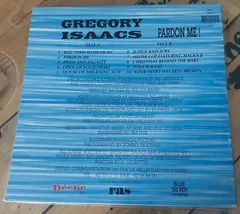
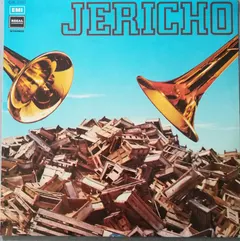


JunkPal may earn a commission when you buy through eBay links, at no extra cost to you.
What’s worth the most
Ranked on medians of real closed eBay sales, not asking prices.