What does “vinyl condition” mean?
What it means
"Vinyl vinyl vinyl condition" has no established meaning in the vinyl collecting community. It is extraneous language. When a seller uses this, they are attempting to describe the physical state of the record, but the phrasing is meaningless noise. The correct terminology is a specific grade assigned via a standard like the Goldmine Grading System. This system uses terms such as Mint (M), Near Mint (NM), Very Good Plus (VG+), Very Good (VG), and Good (G). The grade dictates the record's value, not the repetition of the word "vinyl." The focus must shift entirely to the assigned grade and accompanying condition notes.
What it does to price
Condition is the primary driver of vinyl pricing. A record graded Mint (M) commands the highest premium. For a desirable, in-demand pressing, an M copy can fetch 2x to 5x the price of a VG copy. Conversely, a record graded Good (G) may sell for less than 25% of its NM counterpart. For example, a sought-after first pressing of a classic album might sell for $150 in NM condition, but if graded G due to heavy surface noise, the price could drop to $40. Minor scuffs (light surface marks visible under direct light) usually place a record in VG+; deep scratches that cause audible skips drop it to VG or lower.
How to spot it
Condition assessment requires close inspection, not reliance on vague descriptions. For the vinyl itself, check for deep scratches, warping (visible bowing), and groove wear. For the sleeve, check for ring wear (circular impression from the record rubbing the sleeve), seam splits, and water damage. Always request high-resolution photos of the vinyl surface under bright, direct light to spot hairline scratches. If a seller claims NM but provides only dark, blurry photos, this is a red flag for misrepresentation.
Buying smart
Paying a premium is justified only when the record is essential to a collection and the grade is verifiable. If a record is a rare, highly sought-after first pressing, paying 1.5x to 2x the average price for a verifiable NM copy is often a sound investment. Paying a premium for a record graded VG+ when a VG copy is available is rarely worth the extra cost unless the VG+ copy is significantly rarer. A fair deal means the price aligns with the established grade; if the seller claims NM but the photos show clear shelf wear, the price is inflated.
Selling smart
Listing must be precise. Do not use repetitive filler words. Assign the correct Goldmine grade and elaborate on *why* that grade was given. Instead of "vinyl vinyl vinyl condition," use: "Vinyl: NM, appears clean under light. Sleeve: VG+, light ring wear on bottom edge." The single most valuable element in a listing is a clear, well-lit photograph showing the vinyl surface under direct light, proving the absence of deep scratches. This single piece of evidence validates the grade and justifies the asking price.
On eBay right now
Current asking prices from live listings — not sold-comp medians.

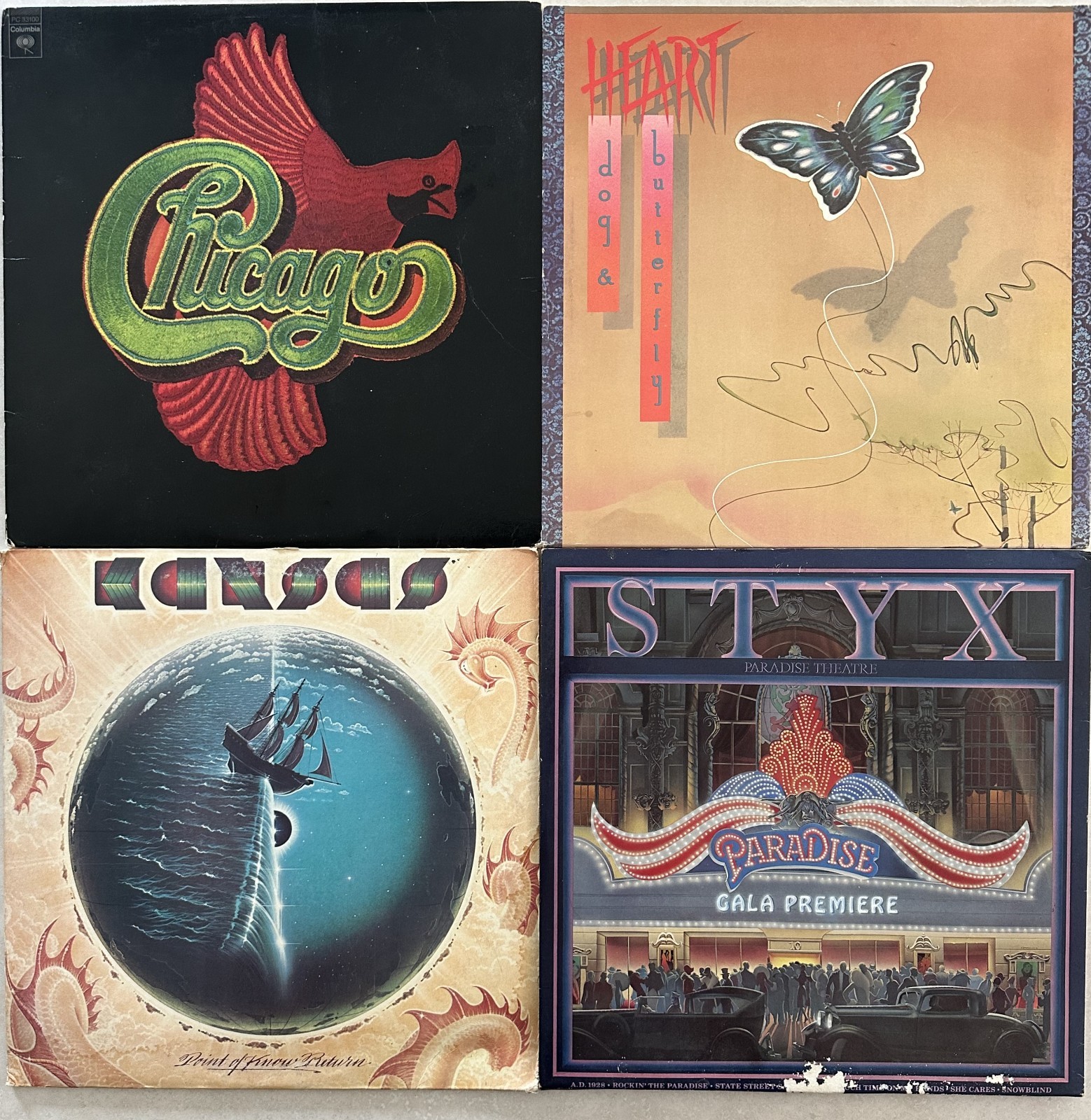
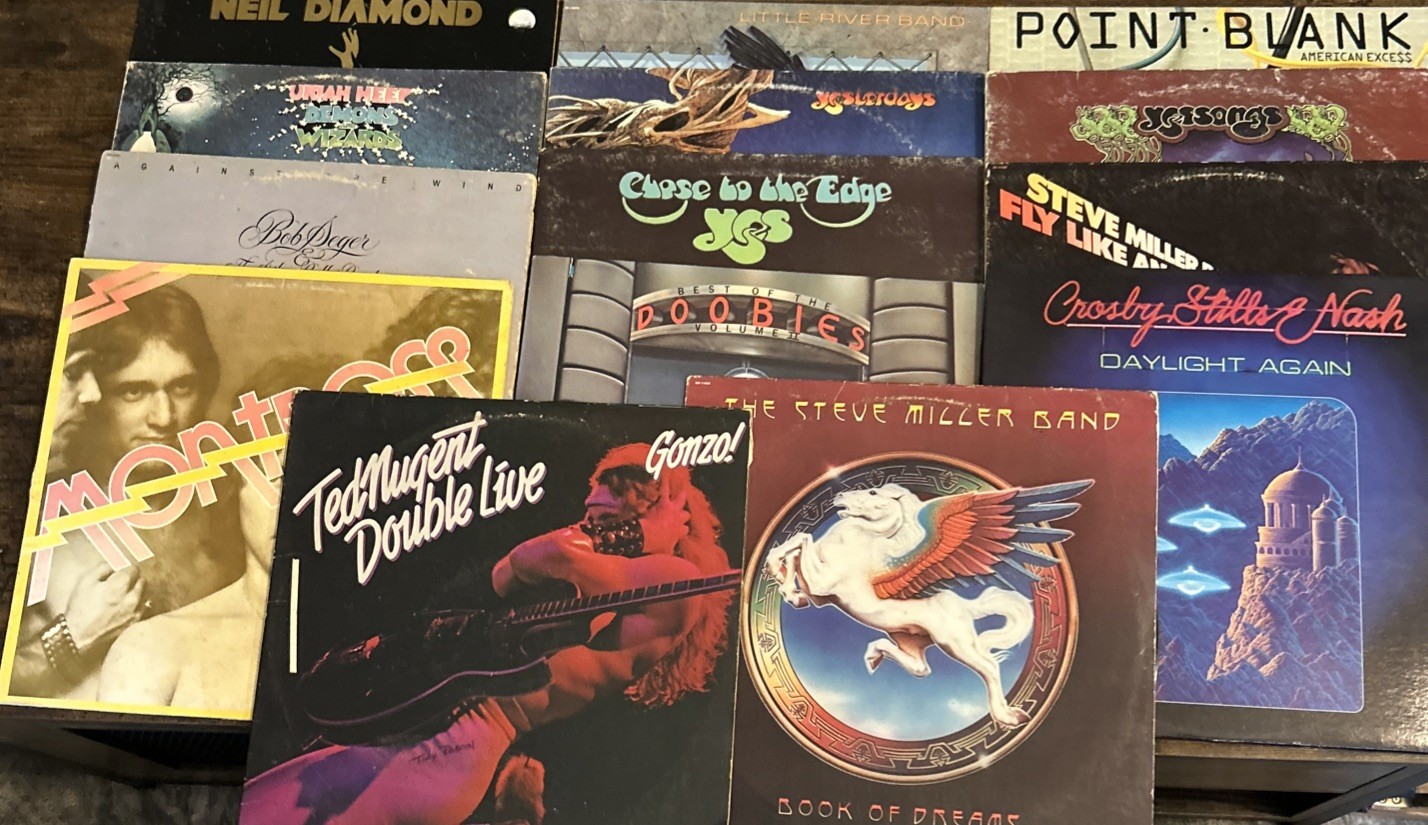


eBay links are affiliate links: JunkPal may earn a commission at no cost to you.
Resale values related to vinyl condition
Shop vinyl condition on eBay ↗




JunkPal may earn a commission when you buy through eBay links, at no extra cost to you.
What’s worth the most
Ranked on medians of real closed eBay sales, not asking prices.