What does “vinyl pressing variation” mean?
What it means
A vinyl pressing variation is any measurable, intentional, or accidental difference between two or more physical copies of the same musical recording. This is not merely a difference in sleeve artwork, which is a separate cataloging issue. Pressing variations relate to the physical object itself: the vinyl material, the lacquer cut (mastering), the color dye lot, or the physical markings etched into the runout groove (dead wax). For the collector, these variations act as identifiers, pointing to specific manufacturing runs, pressing plants, or mastering engineers. A specific, documented variation is a tangible piece of the record's history, distinct from standard catalog numbers.
What it does to price
The impact on price is non-linear. A documented, highly sought-after variation can result in a 2x to 5x multiplier over a standard, common pressing of the same record. Conversely, a known, low-quality variation (e.g., a poorly mixed early test pressing) can depress value by 20-40%. For example, a standard pressing of a desirable album might sell for \$50; if it is confirmed as the rare "Blue Label Test Pressing," it could easily command \$150 or more, depending on market demand for that specific variant. The rarity of the variation is the primary driver of the price increase.
How to spot it
Identification requires close examination. Check the matrix/runout groove etchings—these codes often contain plant codes or mastering engineer initials that differ between pressings. Vinyl compound differences can sometimes be visually spotted (e.g., slight variations in sheen or color saturation). If color is the variation, compare the specific dye lot color to known images of the variant. Sellers must provide high-resolution photos of the dead wax area. Common errors include mislabeled runout codes or accidental miscuts, which are usually cataloged as "mistakes" rather than intentional variations.
Buying smart
Paying a premium for a variation is justifiable only when the variation is documented, verified, and actively desired by the collector community. If a variation is obscure, undocumented, or only marginally different (e.g., a slight tonal shift in the mastering that is not widely discussed), the premium is likely inflated and not worth the risk. A fair deal involves the seller providing clear evidence (photos/documentation) matching the claimed variant to known collector references. If the premium exceeds 1.5x the value of the standard pressing without strong external validation, caution is warranted.
Selling smart
Proving the existence and nature of a variation is the mechanism for commanding a premium. Listings must explicitly state the variation, referencing known collector terminology (e.g., "First Pressing, Matrix X-123, Blue Label"). The single most valuable asset in a listing is a clear, well-lit photograph of the runout groove showing the specific matrix etchings. Adding a simple phrase like "Verified [Specific Variation Name]" in the title or description immediately signals authenticity and justifies a higher asking price to informed buyers.
On eBay right now
Current asking prices from live listings — not sold-comp medians.


eBay links are affiliate links: JunkPal may earn a commission at no cost to you.
Resale values related to vinyl pressing variation
Shop vinyl pressing variation on eBay ↗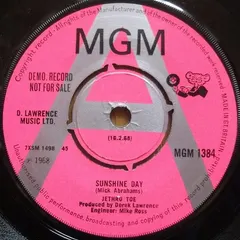



JunkPal may earn a commission when you buy through eBay links, at no extra cost to you.
What’s worth the most
Ranked on medians of real closed eBay sales, not asking prices.