What does “vinyl variant” mean?
What it means
A vinyl vinyl variant is any distinct, non-standard pressing or edition of a record. This goes beyond simple region codes (like a US vs. UK pressing). Variants are defined by material changes, packaging alterations, or sonic differences. These changes include colored vinyl (e.g., "splatter red" vs. standard black), unique sleeve art, different label colors, or alternative mastering sequences. The mainstream equivalent is "special edition," but the collector niche requires precision regarding the *nature* of the deviation. A variant is a specific, documented deviation from the master retail release.
What it does to price
Variants introduce scarcity premiums. A standard, common pressing sells at baseline market value. A known, limited-run variant can fetch 2x to 5x the price of the common pressing, depending on demand and scarcity level. Minor aesthetic changes (e.g., a different sticker) might add 10-25%. Major changes (e.g., a known, factory-error pressing or a numbered limited run) can see multipliers exceed 10x. For example, a common pressing of a mid-tier album might sell for \$30; the verified, limited-run variant could easily command \$150. Downward pressure occurs if the variant is later discovered to be a mass-market error rather than a true limited run.
How to spot it
Identification requires forensic detail. Check the matrix/runout groove etchings—these often contain specific codes indicating the pressing plant or mastering engineer unique to that variant. Examine the sleeve for print variations; slight shifts in color saturation or font usage can signal a different printing run. For vinyl itself, confirm the color consistency across the entire disc. Sellers must provide high-resolution photos of the labels, the center spindle hole, and the runout groove. Common mistakes include mislabeling (a seller calling a standard pressing a variant) or bootlegs mimicking variant features.
Buying smart
Paying a premium is justified only when the variant is verifiable and documented as scarce. If the difference is purely cosmetic and the market is flooded with copies, the premium is unwarranted. A fair deal involves the asking price being within 1.5x to 2.5x the established baseline price for the standard version, provided the variant is confirmed rare. If a seller cannot provide clear, verifiable evidence (e.g., specific matrix codes) supporting the variant claim, the purchase should be treated as a standard pressing until proven otherwise.
Selling smart
Listing a variant requires immediate, unambiguous proof. The single most valuable piece of evidence is a clear, close-up photograph of the matrix numbers from the runout groove. This links the physical item to known catalog data. Beyond photos, using precise terminology (e.g., "First Pressing, Blue Label, Matrix XYZ-123") immediately filters out casual buyers and attracts informed collectors willing to pay the premium. Vague descriptions result in baseline pricing; specific proof earns the scarcity markup.
On eBay right now
Current asking prices from live listings — not sold-comp medians.


eBay links are affiliate links: JunkPal may earn a commission at no cost to you.
Resale values related to vinyl variant
Shop vinyl variant on eBay ↗

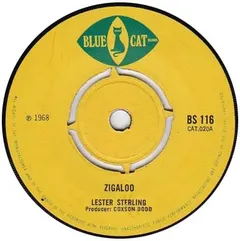
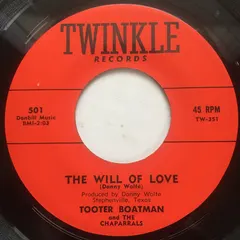



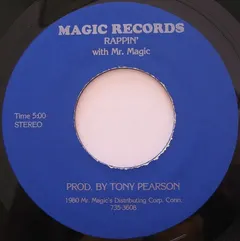
JunkPal may earn a commission when you buy through eBay links, at no extra cost to you.
What’s worth the most
Ranked on medians of real closed eBay sales, not asking prices.