What does “vinyl surface” mean?
What it means
Vinyl surface refers to the physical state of the grooves on the record platter. This includes the presence and severity of cosmetic damage (scuffs, hairline scratches, deep gouges) and physical deformation (warping, warping). Dust accumulation is a factor but is generally considered superficial unless it is embedded in the grooves. The mainstream equivalent is simply "playability" or "cosmetic condition." Surface quality dictates the audible playback experience; damage translates directly to audible artifacts like pops, clicks, and surface noise. This is a primary component of the overall grading standard (e.g., VG+, NM).
What it does to price
Surface condition is a major price determinant. A Near Mint (NM) surface, free of visible wear, can command 1.5 to 3 times the price of a comparable record graded VG+ (Very Good Plus). A record with heavy scratches or significant warping may see its value drop by 50% or more, often relegating it to a lower secondary market tier. For example, a common pressing of a popular album might sell for $30 in NM condition, but if it has noticeable surface noise, the price may fall to $15.
How to spot it
Inspection requires a bright, direct light source. Scratches are visible lines across the grooves; hairline scratches are faint lines that may only be visible under magnification. Warping is visible when the record is held up to light, showing a curve or bow. Sellers should provide high-resolution photos of the entire playing surface, especially near the label and the run-out groove. Be wary of sellers who only provide a single, low-light photo; this often masks minor surface imperfections.
Buying smart
Paying a significant premium for near-perfect surface condition is justified when the record is a high-demand, scarce, or highly desirable pressing. If the record is a common title, the price difference between NM and VG+ is often not worth the extra cost unless the seller guarantees perfect playback. A fair deal involves the price reflecting the grade; a $20 record advertised as NM but showing visible light scratches is overvalued.
Selling smart
Transparency regarding surface condition maximizes sale price. Grading the surface accurately (e.g., "VG+ - Minor surface noise present") manages buyer expectations. The single most valuable photo is a close-up shot of the surface under direct, bright light, clearly showing the wear patterns. Using precise terminology—"light scuffs only" versus "deep scratches"—allows the seller to anchor the price to the actual condition, attracting serious buyers willing to pay for quality.
On eBay right now
Current asking prices from live listings — not sold-comp medians.


eBay links are affiliate links: JunkPal may earn a commission at no cost to you.
Resale values related to vinyl surface
Shop vinyl surface on eBay ↗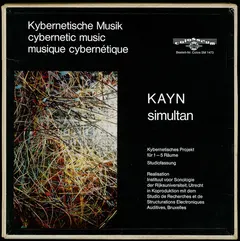
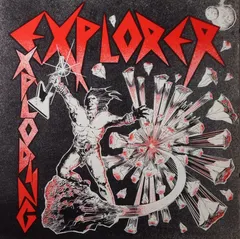
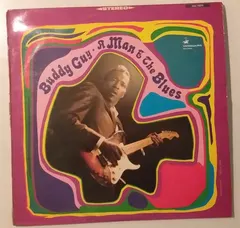
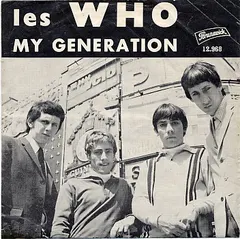


JunkPal may earn a commission when you buy through eBay links, at no extra cost to you.
What’s worth the most
Ranked on medians of real closed eBay sales, not asking prices.