What does “vinyl spindle” mean?
What it means
A vinyl spindle is the central mounting post or hub on a turntable platter. It is the interface point where the record rests and spins. In the collecting niche, it refers specifically to the structural integrity and condition of this component, not just the plastic or metal part itself. While the mainstream equivalent is simply the "turntable spindle," collectors focus on its operational quality—its ability to hold the platter steady and allow for consistent, balanced rotation. A spindle’s function is to maintain precise rotational stability, which directly impacts playback fidelity.
What it does to price
Spindle condition is a tertiary factor compared to stylus and platter flatness, but it affects the overall perceived mechanical health of the unit. A perfectly tight, non-wobbling spindle assembly adds stability, which can support a higher asking price for a vintage or high-end turntable. A noticeably loose or damaged spindle can reduce the resale value by 10-20% because it signals latent mechanical failure requiring service. For example, a mid-range turntable with a loose spindle might sell for $50 less than an identical unit with a tight spindle. Pristine condition supports the highest tier of pricing for that model.
How to spot it
Inspection requires observing the platter while it is spinning, either by hand or using the turntable's motor. The key tell is wobble or lateral play. If the platter visibly shakes side-to-side or rocks when the spindle is gently pushed, the assembly is compromised. Sellers should provide a short video clip showing the platter spinning smoothly without vibration. Common issues include worn bushings or stripped threads on the spindle shaft. There are no widely recognized "edition markers" on the spindle itself; its value is purely functional.
Buying smart
Paying a premium for a turntable based solely on spindle condition is rarely justified unless the unit is high-end, vintage, or known to be delicate. If the turntable is inexpensive, a minor wobble is an expected wear item that can be addressed cheaply. The premium is warranted when the spindle is part of a precision-engineered, expensive unit where stability is central to its function (e.g., high-mass, audiophile-grade turntables). A fair deal involves the seller confirming the spindle is tight, or offering a significant discount if it is known to be loose.
Selling smart
Listing the spindle condition accurately prevents returns and disputes. Instead of just stating "Good condition," a seller should specify "Spindle is tight with no visible wobble." The single most effective proof is a short, clear video demonstrating the platter spinning smoothly. This visual evidence moves the component from an assumption to a verified fact, allowing the seller to confidently anchor the price at the higher end of the market bracket for that model.
On eBay right now
Current asking prices from live listings — not sold-comp medians.


eBay links are affiliate links: JunkPal may earn a commission at no cost to you.
Resale values related to vinyl spindle
Shop vinyl spindle on eBay ↗


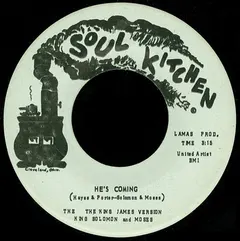


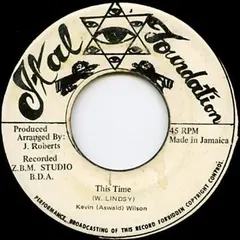
JunkPal may earn a commission when you buy through eBay links, at no extra cost to you.
What’s worth the most
Ranked on medians of real closed eBay sales, not asking prices.