What does “vinyl speed” mean?
What it means
Vinyl speed is the rotational velocity of a record, measured in revolutions per minute (RPM). This is not just a playback setting; it is a fundamental part of the mastering process. Records are physically grooved and cut to match a specific speed (33 1/3, 45, or 78 RPM). Playing a record at the wrong speed introduces pitch inaccuracies (wow and flutter), frequency distortion, and accelerates groove wear. For collectors, the speed confirms the intended format of the release—LPs are typically 33 1/3 RPM, singles are 45 RPM, and older shellac/early vinyl is 78 RPM.
What it does to price
Speed consistency affects value primarily through condition and completeness, not usually as a standalone multiplier unless the speed is incorrect or ambiguous. A record pressed and sold as a 33 1/3 RPM LP that is actually a 45 RPM single will drastically reduce its value, potentially by 50% or more, as it is misidentified. If a pressing is known to be a rare, specific speed variant (e.g., a limited 78 RPM promotional copy), the rarity factor applies, potentially adding 2x to the base value compared to a standard pressing. A common mistake is listing a 33 1/3 RPM LP as a 45 RPM single; this misidentification can cause a buyer to undervalue the item by $20–$50 depending on the genre and market.
How to spot it
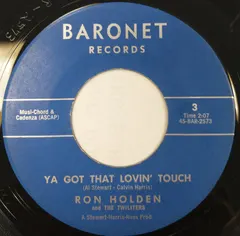
The speed is almost always indicated on the center label of the record. Look for the RPM designation printed clearly near the spindle hole or in the track listing information. Sleeves sometimes list the speed, but the label is the definitive source. A common honest mistake is damage to the label, obscuring the speed. Fakes or altered records might have the label information digitally scrubbed or replaced. If the label is worn, a seller must provide a high-resolution photo of the center label, focusing on the printed text surrounding the catalog number.
Buying smart
Paying a premium for speed verification is necessary when the record is highly sought after, rare, or if the seller is ambiguous about the pressing. If the speed is clearly labeled and matches the expected format (e.g., 33 1/3 RPM for a standard album), the premium is minimal. A fair deal requires the seller to confirm the speed via clear imagery. If the seller refuses to provide a photo of the label, the risk is too high for an expensive purchase, and the deal is not fair.
Selling smart
Proving the correct speed in a listing immediately builds buyer trust and justifies the asking price. Buyers are wary of mislabeled or damaged media. The one photo that earns the premium is a close-up, well-lit shot of the record’s center label, clearly showing the RPM designation. Listing the speed in the title (e.g., "Jazz LP - 33 1/3 RPM") acts as a filter, attracting serious buyers who know the difference, thereby commanding a higher, more accurate price.
On eBay right now
Current asking prices from live listings — not sold-comp medians.


eBay links are affiliate links: JunkPal may earn a commission at no cost to you.
Resale values related to vinyl speed
Shop vinyl speed on eBay ↗





JunkPal may earn a commission when you buy through eBay links, at no extra cost to you.
What’s worth the most
Ranked on medians of real closed eBay sales, not asking prices.