What does “vinyl soundstage” mean?
What it means
Vinyl soundstage is the perceived three-dimensional space created by the audio reproduction of a record. It is the sense of width, depth, and spaciousness of the music. A wide soundstage means instruments are spread clearly across the left-to-right stereo field. Depth refers to the layering—what sounds are in the immediate foreground, middle ground, or background. This concept is a measure of sonic fidelity, describing how well the analog signal translates to a spatial audio experience, rather than sounding flat. In the mainstream audio world, this is often referred to as "imaging" or "sound staging."
What it does to price
Exceptional, consistently praised soundstage is a significant value driver, especially for audiophile-focused buyers. A record known for a superior soundstage, particularly a highly sought-after pressing, can fetch a 1.2x to 2.5x premium over a standard pressing of the same condition. If a common pressing sells for $50, a critically acclaimed, high-fidelity pressing praised for its soundstage might sell for $75–$125. Factors that decrease value include poor mastering or known issues with the specific pressing plant, which can negate any inherent sonic quality.
How to spot it
Soundstage is primarily an auditory attribute, making it difficult to verify solely from packaging. However, certain pressings are known historically for superior mastering (e.g., specific early UK pressings versus later budget reissues). Sellers should provide high-resolution audio snippets or detailed reviews referencing the sound quality. Look for liner notes or press release information that specifically mention the mastering engineer or mastering process; these details often correlate with better sonic performance. Be wary of sellers who only claim "great sound" without providing technical context.
Buying smart
Paying a premium for soundstage is justified when the record is a cornerstone of a collection and the sonic experience is a primary goal. This premium is warranted for limited edition, high-fidelity pressings where the mastering chain is documented and respected in the audio community. It is not worth paying a massive premium for a common pressing where the soundstage is merely "decent." A fair deal involves a premium of 1.2x to 1.5x the standard market price for a known, high-quality pressing.
Selling smart
To maximize return, the listing must move the discussion from mere condition (Mint/Near Mint) to sonic quality. The description must explicitly state, "Known for exceptional, wide soundstage mastering." The single most effective addition is including a short, high-quality audio clip demonstrating the spatial separation of instruments, if possible, or citing a reputable review that specifically praises the imaging. This shifts the buyer's focus from physical wear to auditory investment.
On eBay right now
Current asking prices from live listings — not sold-comp medians.


eBay links are affiliate links: JunkPal may earn a commission at no cost to you.
Resale values related to vinyl soundstage
Shop vinyl soundstage on eBay ↗

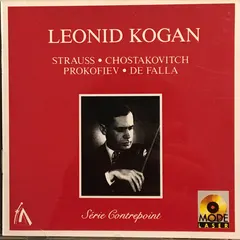


JunkPal may earn a commission when you buy through eBay links, at no extra cost to you.
What’s worth the most
Ranked on medians of real closed eBay sales, not asking prices.