What does “vinyl sonic character” mean?
What it means
Vinyl sonic character describes the specific, non-digital audio fingerprint of a record. It is the audible signature resulting from the analog playback process—the interaction between the stylus, groove modulation, and turntable. This character includes perceived warmth, natural dynamic response, and the presence of inherent background noise (surface noise, hiss, or crackle). For the collector, this is the difference between a sterile digital reproduction and a tactile, "alive" listening experience. It is not merely "warmth"; it is the measurable, subjective texture of the analog signal.
What it does to price
High, verifiable sonic character drives premium pricing. A first pressing known for exceptional mastering (e.g., early UK pressings of certain jazz albums) can command 2x to 4x the price of a later, lesser-mastered reissue, even if both are in identical visual condition (NM/VG+). Poor sonic character, such as excessive sibilance or heavy digital artifacts bleeding into the vinyl transfer, acts as a discount factor, potentially reducing value by 15-30%. A record praised for its "warm, rich low-end" might fetch an extra $20-$50 over a comparable, but flatter-sounding, pressing.
How to spot it
Sonic character cannot be confirmed by visual inspection alone; it requires listening. However, certain pressings are *known* for their sound. Look for specific mastering engineer credits, original label matrix numbers, or specific pressing plant codes associated with acclaimed sound quality. Sellers should provide audio samples if possible. A common mistake is assuming all "audiophile" reissues possess superior sound; often, they are just better pressed, not better mastered. Beware of bootlegs marketed as high-fidelity; these often mimic the visual cues but lack the true analog fidelity.
Buying smart
Paying a premium for sonic character is justifiable when the record is a known benchmark in its genre (e.g., specific Blue Note pressings, classic Krautrock). This premium is warranted when the sound quality is documented by reputable sources. It is not worth the premium for obscure, unverified pressings where the sound profile is unknown. A fair deal involves a price that reflects the *known* sonic reputation, not just the rarity or visual condition. If the sound quality is subjective and unproven, treat it as a standard vinyl purchase.
Selling smart
To maximize value, the listing must move beyond condition grades (NM/VG+). The description must explicitly reference the known sonic attributes. Instead of "Great sound," use "Known for rich, warm mid-range fidelity, characteristic of the original 1968 pressing." The single most effective element is including a high-quality photo of the label matrix/runout groove etching, as this often confirms the specific mastering run that dictates the sonic profile. This documentation shifts the item from a collectible object to a documented piece of audio history.
On eBay right now
Current asking prices from live listings — not sold-comp medians.


eBay links are affiliate links: JunkPal may earn a commission at no cost to you.
Resale values related to vinyl sonic character
Shop vinyl sonic character on eBay ↗
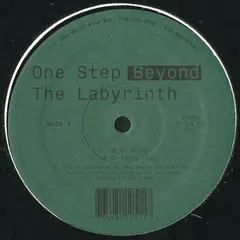


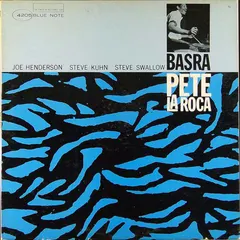


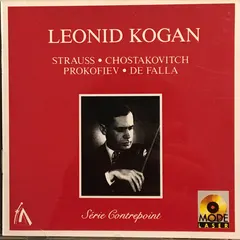
JunkPal may earn a commission when you buy through eBay links, at no extra cost to you.
What’s worth the most
Ranked on medians of real closed eBay sales, not asking prices.