What does “vinyl shelf wear severity” mean?
What it means
Vinyl shelf wear severity quantifies the cosmetic damage to the outer jacket or sleeve of a record. This encompasses all surface imperfections: light scuffs, corner dings, ring wear (a circular impression where the record contacts the inner sleeve), fading, and edge chipping. This is distinct from "media condition," which refers to the vinyl disc itself. Shelf wear is a jacket-specific grade. The severity dictates the overall visual grade assigned to the item, which is a direct factor in its resale value.
What it does to price
Condition directly correlates with price. A Near Mint (NM) jacket can command 1.5x to 3x the price of a Very Good Plus (VG+) jacket for the same pressing and media. Minor wear (light scuffs, no major corner damage) typically results in a 5-10% price reduction from mint. Heavy wear (significant ring wear, multiple deep corner dings) can reduce value by 30% or more, especially if the damage is distracting. For example, a common pressing in VG+ condition might sell for $25; the same copy in NM condition could easily fetch $35 to $45.
How to spot it
Examine corners first; sharp, intact corners indicate lower wear. Ring wear is visible as a distinct, uniform circle on the jacket, usually around the center area. Scuffs appear as thin, often hairline marks across the surface. Fading is evident when the jacket colors appear washed out compared to known pristine examples. Sellers should provide high-resolution photos of all four corners and the center area where ring wear occurs. Distinguishing honest wear from intentional damage is easy; deep, gouged tears are usually damage, whereas minor surface scuffs are wear.
Buying smart
Paying a premium for minimal shelf wear is justified when the record is otherwise flawless (i.e., the vinyl is Mint). If the jacket is heavily worn (VG or worse), the price premium should be significantly reduced, even if the media is perfect. A fair deal involves matching the jacket grade to the asking price; if the seller lists it as NM but the photos show heavy ring wear, the price is inflated. If the jacket is visibly damaged, the price should reflect that depreciation, regardless of media quality.
Selling smart
Transparency regarding shelf wear maximizes buyer trust and price realization. Listing the specific wear—e.g., "VG+ jacket, minor edge wear"—is superior to simply stating "Good." Providing close-up photos specifically highlighting the worst wear points (e.g., "See photo 4 for corner ding") allows buyers to self-grade the damage. This documentation prevents disputes and justifies the final price, ensuring the seller captures the value associated with the actual condition.
On eBay right now
Current asking prices from live listings — not sold-comp medians.


eBay links are affiliate links: JunkPal may earn a commission at no cost to you.
Resale values related to vinyl shelf wear severity
Shop vinyl shelf wear severity on eBay ↗
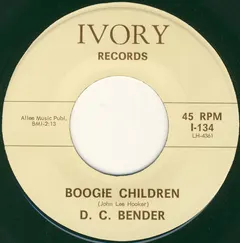


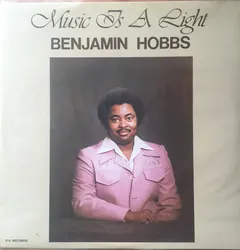
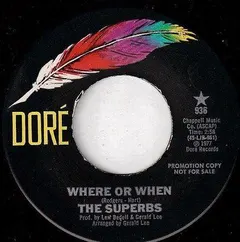
JunkPal may earn a commission when you buy through eBay links, at no extra cost to you.
What’s worth the most
Ranked on medians of real closed eBay sales, not asking prices.