What does “vinyl shelf” mean?
What it means
Vinyl shelf refers to the physical infrastructure used to store LPs. This includes dedicated shelving units, cabinets, or specialized record racks. It is not a record grading term like Mint or VG+. Instead, it is a condition indicator related to collection preservation. The storage method reflects the owner's diligence in maintaining the collection against environmental damage, dust, and physical stress. Correct storage prevents warping and physical damage, which are major devaluation factors in the vinyl market.
What it does to price
Storage condition acts as a subtle multiplier on the overall collection value, not on individual record value. A collection housed in high-quality, climate-controlled, and dust-free shelving can command a 10-20% premium over the same collection stored haphazardly or in non-protective containers. Poor storage—such as records leaning against a wall or stacked on unstable surfaces—can trigger a 15-25% discount because the buyer must factor in the risk of latent damage. For a collection valued at \$1,000, good presentation might net \$1,150; poor presentation might net \$750.
How to spot it
Assessment focuses on structural integrity and environmental control. Look for evidence of warping (curving edges) or mold/mildew, which are immediate red flags. Shelving must keep records vertical and securely supported. Sellers should provide photos showing the shelving unit itself, not just the records. Common mistakes include stacking records horizontally on shelves, which puts undue pressure on the vinyl surface. Fakes in this context are rare; the issue is usually poor, negligent storage rather than intentional misrepresentation of the shelf itself.
Buying smart
Paying a premium for a collection based solely on the quality of its shelving is rarely justified unless the collection is extremely rare or high-value. The premium is only worth it when the storage environment is demonstrably professional—meaning climate control, dust protection, and perfect upright support. If the records are otherwise perfect (NM/M), excellent storage is a bonus. If the records are already showing wear, the quality of the shelf is irrelevant to the final price. A fair deal involves the shelf being functional and clean, not necessarily museum-grade.
Selling smart
Documenting the storage environment adds credibility and reduces buyer risk, justifying a higher asking price. A simple, clear photograph showing the collection housed in a dedicated, stable, and clean shelving unit is the most effective tool. Use descriptive language like "Climate-controlled storage" or "Archival-grade shelving." This visual proof shifts the narrative from "a collection I have" to "a preserved asset," allowing the seller to confidently price at the higher end of the market range.
On eBay right now
Current asking prices from live listings — not sold-comp medians.

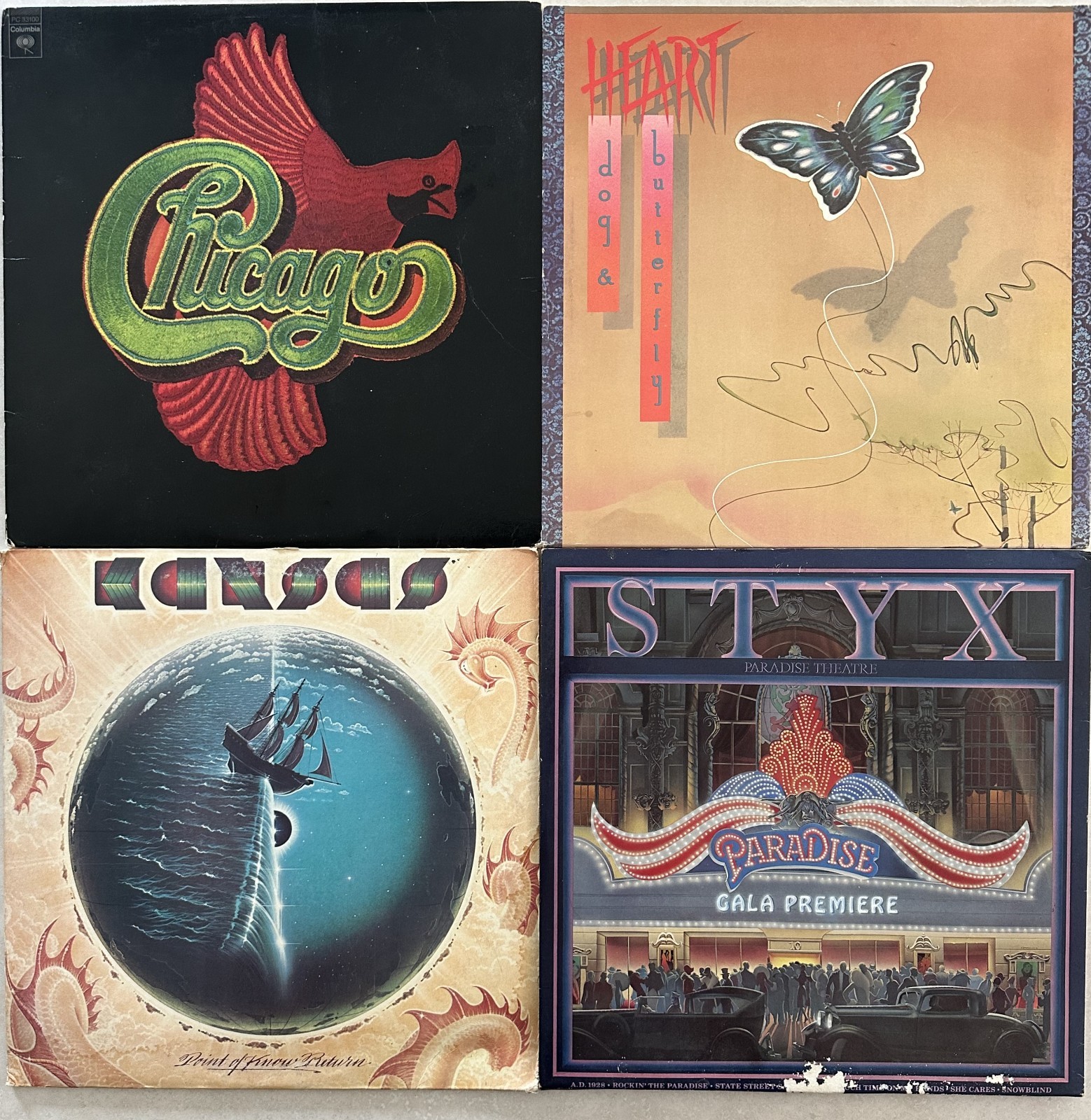
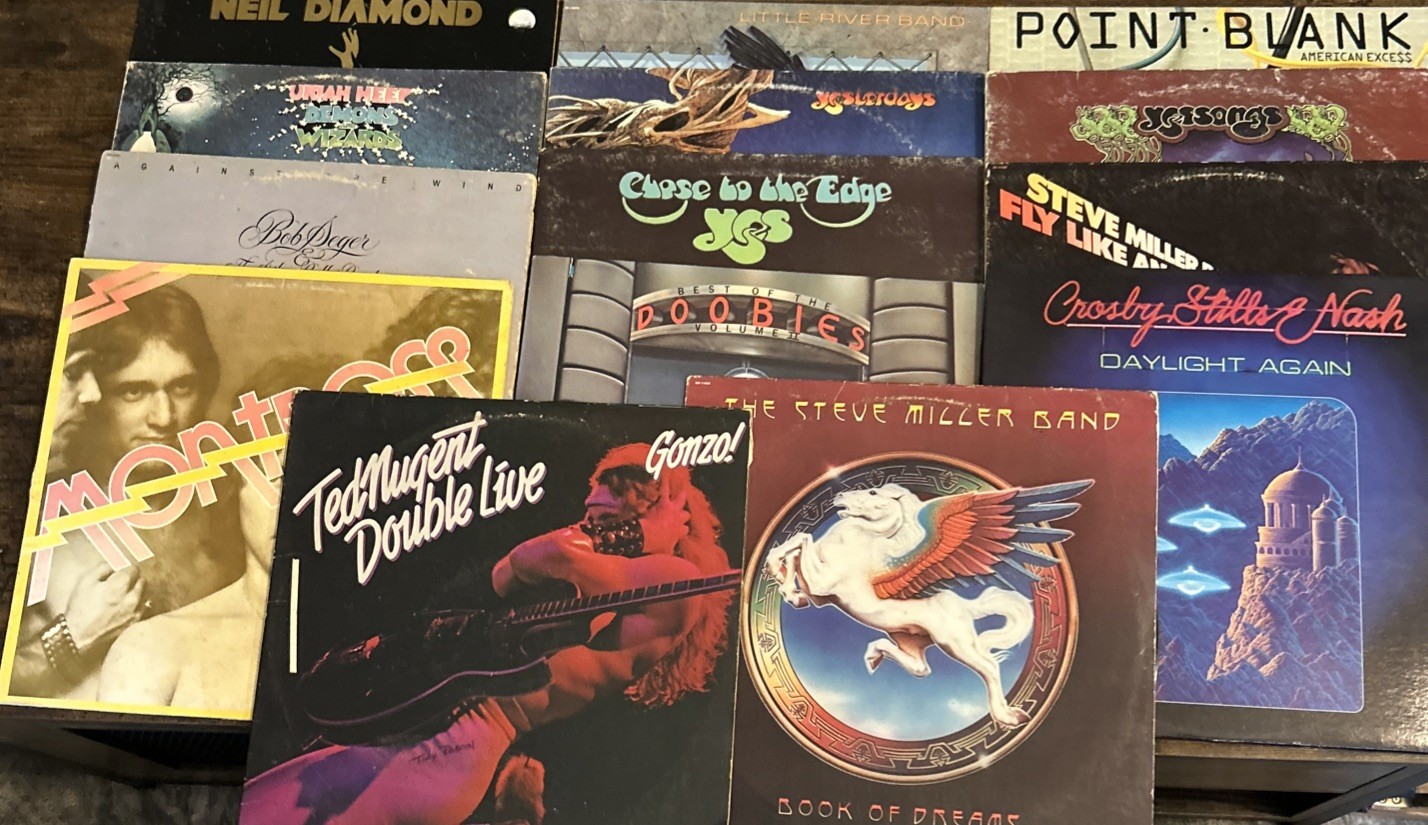


eBay links are affiliate links: JunkPal may earn a commission at no cost to you.
Resale values related to vinyl shelf
Shop vinyl shelf on eBay ↗

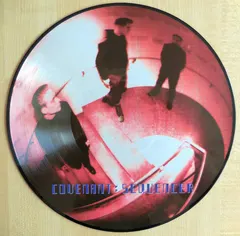

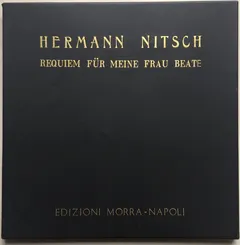
JunkPal may earn a commission when you buy through eBay links, at no extra cost to you.
What’s worth the most
Ranked on medians of real closed eBay sales, not asking prices.