What does “vinyl series” mean?
What it means
"Vinyl vinyl series" has no established meaning in the vinyl collecting or reselling community. It is not a recognized term for a specific pressing type, mastering, or release line. The phrase is redundant, simply stating the medium twice. Market value is determined by concrete identifiers: pressing plant (e.g., Mobile Fidelity, Sterling Sound), catalog numbers, specific edition status (e.g., first pressing, limited run), or unique matrix/runout codes. If this phrase is used, it is likely an informal descriptor for a specific, named series by an artist or label that the seller has failed to name correctly. The mainstream equivalent of this phrase is simply "a vinyl release."
What it does to price
Because the term itself carries no inherent value, its presence has no direct pricing impact. If a seller uses this vague descriptor instead of a proper series name (e.g., "Blue Note Prestige Series"), the listing suffers from ambiguity, which depresses perceived value. A listing lacking specific identifiers will typically sell at a discount compared to a fully documented item. For example, a rare album listed vaguely might sell for $40, whereas the same item clearly identified as part of a known, desirable series might command $75. The lack of specificity acts as a negative multiplier.
How to spot it
The phrase itself is not a physical tell. To properly identify the item, examine the sleeve and record label. Look for specific logos, text blocks, or catalog numbers that denote a recognized series. For example, certain labels use consistent color schemes or specific font treatments for their premium lines. If the seller only provides this vague title, request high-resolution photos of the inner sleeve, the spine, and the matrix etchings in the runout groove. Honest mistakes often involve misnaming a known series; fakes usually lack consistent cataloging information across the entire run.
Buying smart
Paying a premium based solely on the term "vinyl vinyl series" is unwarranted. Premium pricing is justified only when the vague term points toward a verifiable, high-demand series (e.g., a specific audiophile reissue line). If the seller cannot provide a definitive series name or catalog number, the purchase should be treated as a standard, unverified pressing. A fair deal requires the price to reflect the *known* condition and rarity of the specific pressing, not the descriptive title.
Selling smart
To maximize sale price, replace "vinyl vinyl series" with the precise, established series name. If the item belongs to a recognized, desirable series, this is the primary driver of premium pricing. The single most effective element to earn a premium is providing the correct catalog number alongside a clear photo of the label showing that number. This transforms the listing from an ambiguous item into a verifiable collectible, allowing buyers to cross-reference its true market value.
On eBay right now
Current asking prices from live listings — not sold-comp medians.

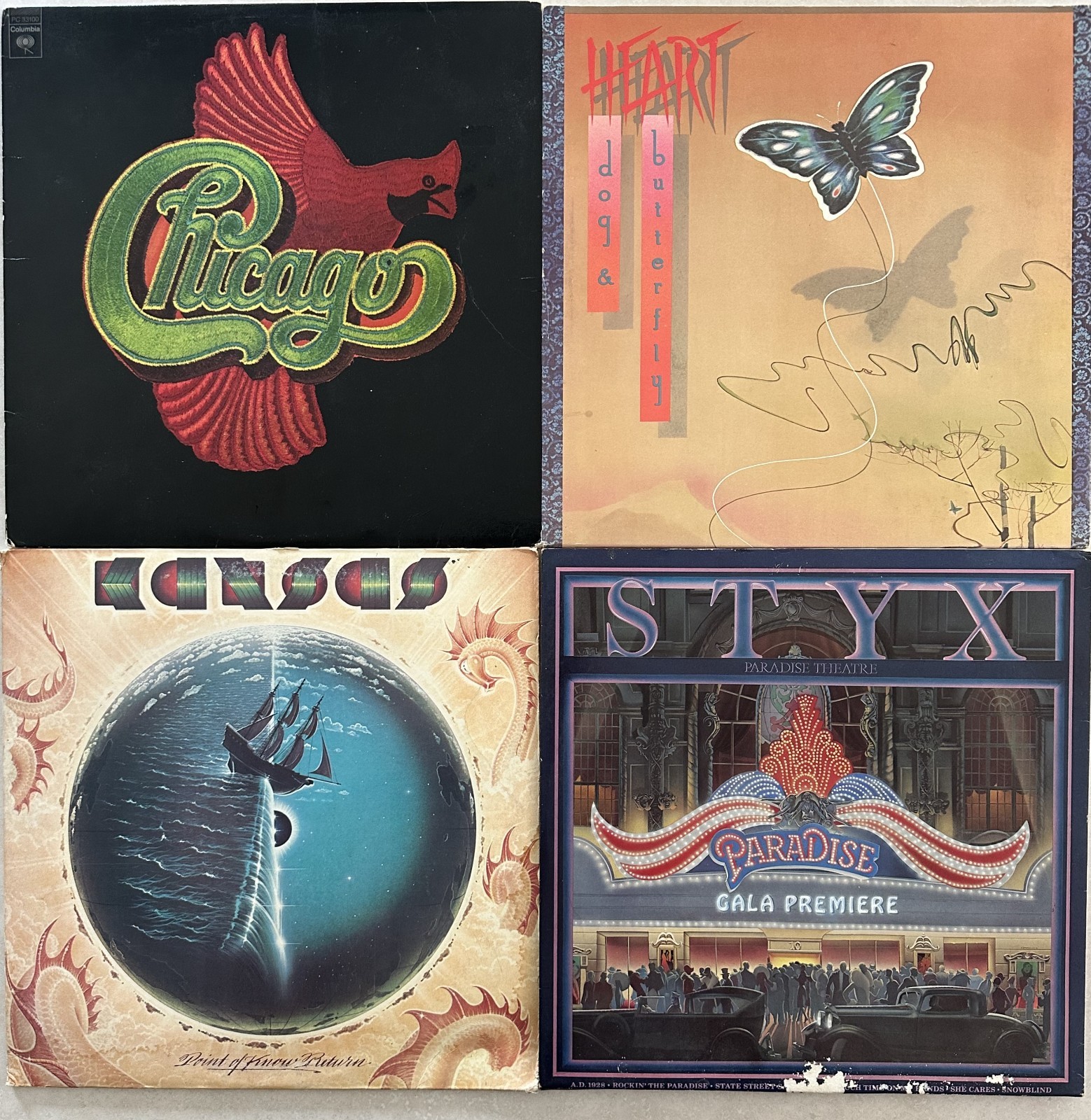
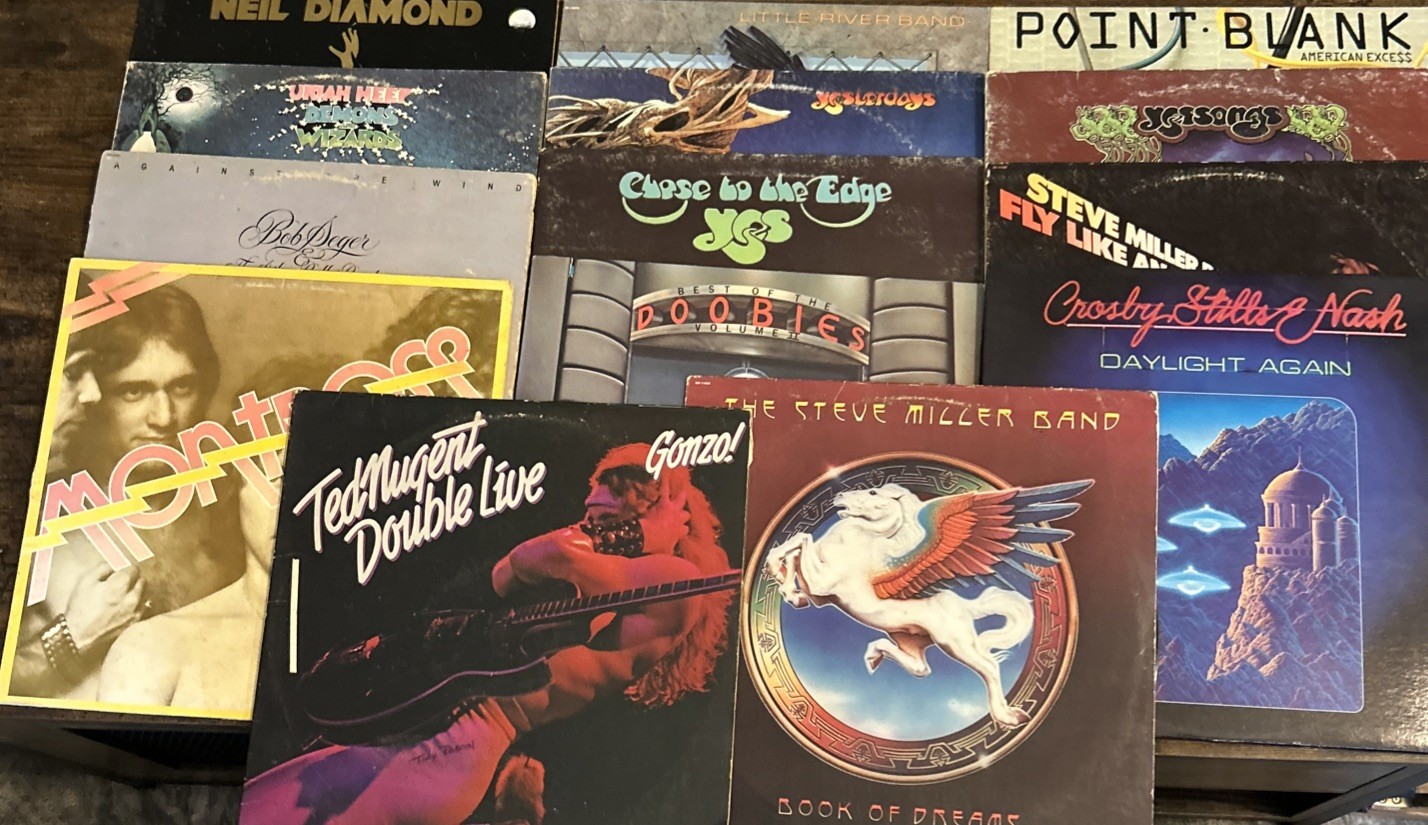


eBay links are affiliate links: JunkPal may earn a commission at no cost to you.
Resale values related to vinyl series
Shop vinyl series on eBay ↗




JunkPal may earn a commission when you buy through eBay links, at no extra cost to you.
What’s worth the most
Ranked on medians of real closed eBay sales, not asking prices.