What does “vinyl saturation point” mean?
What it means
Vinyl saturation point defines the threshold where the available supply of a particular vinyl item—genre, artist, or pressing—outpaces consistent buyer demand. This is the market equivalent of an oversupply. The mainstream concept is simple market saturation. For collectors and resellers, it means that the rate of new inventory entering the secondary market is overwhelming the rate at which existing inventory is being purchased at premium prices. It is not about a specific record selling out; it is about the *volume* of similar records available.
What it does to price
Saturation directly suppresses potential growth. When supply exceeds demand, price appreciation stalls or reverses. For a highly saturated genre (e.g., mainstream 80s synth-pop reissues), a standard used copy might trade for $15-$25, whereas a comparable, desirable niche release might hold $40-$75. Oversupply drives down the floor price. For example, if a specific indie label releases five identical colored vinyl variants of a popular album in one month, the price for all five will likely drop by 10-20% within weeks as the market absorbs the glut.
How to spot it
Spotting saturation requires monitoring listing velocity, not just individual sales. Look for rapid, sustained increases in the number of active listings for a specific SKU or genre tag without a corresponding spike in media hype or critical reviews. Check for "variant fatigue"—when a label releases 10+ colorways of the same album within a short window. A tell-tale sign of saturation is when a record that previously sold for $30 suddenly appears consistently listed across multiple platforms for $12-$18. Sellers might list generic descriptions when saturation is high, indicating a lack of perceived scarcity.
Buying smart
Paying a premium for an item in a known saturated category is rarely a sound investment unless the item possesses a unique, non-replicable attribute (e.g., unique sleeve art, hand-stamped vinyl). If the item is simply a standard pressing of a popular, mass-produced sound, the premium is speculative risk. A fair deal in a saturated market is one where the price is close to the average secondary market listing price, perhaps 10-15% below it, rather than chasing the inflated peak price seen during initial hype.
Selling smart
Proving scarcity is the primary driver of premium pricing when saturation is a risk. If selling an item, documentation that proves its rarity—such as original factory stickers, specific matrix/runout groove etchings, or high-resolution photos of unique packaging flaws/features—justifies a higher ask. The word "Deadstock" (CIB) is standard, but for saturation avoidance, the phrase "First Pressing" or "Limited Run Variant" backed by verifiable evidence earns the premium over a generic "Used/Good."
On eBay right now
Current asking prices from live listings — not sold-comp medians.


eBay links are affiliate links: JunkPal may earn a commission at no cost to you.
Resale values related to vinyl saturation point
Shop vinyl saturation point on eBay ↗

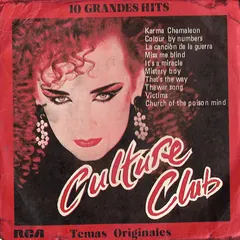


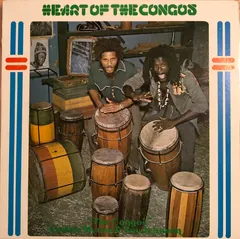
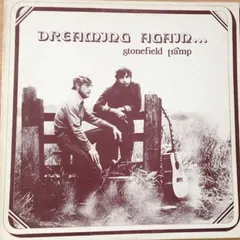
JunkPal may earn a commission when you buy through eBay links, at no extra cost to you.
What’s worth the most
Ranked on medians of real closed eBay sales, not asking prices.