What does “vinyl run” mean?
What it means
"Vinyl vinyl run" refers to a specific, identifiable production batch or pressing of a vinyl record. This is not a generic term; it denotes a discrete manufacturing event. A single album can have multiple runs: an initial limited pressing, a subsequent repress, a test pressing, or a regional variant. The mainstream equivalent is "pressing variant." These variations stem from changes in mastering engineers, vinyl colorants, sleeve artwork revisions, or the physical pressing plant itself. The run dictates the physical characteristics of the record, which directly affects its collectible status.
What it does to price
The run is a primary driver of value variance. Early, limited, or unique runs command significant premiums. A first pressing, especially one with known scarcity, can fetch 3x to 10x the price of a later, mass-market reissue. Conversely, a known "bad" run (e.g., poor mastering, excessive surface noise) can depress the value by 20-50% compared to a clean run. For example, a sought-after first pressing of a classic album might sell for $150, while a later, standard reissue of the same album might sell for $35. The multiplier depends entirely on the run's documented rarity and quality.
How to spot it
Identification relies on physical evidence. Check the runout groove etchings (the matrix/stamper numbers near the label) for specific codes unique to a pressing plant or date. Examine the sleeve for specific print dates, catalog numbers, or slight variations in artwork color saturation. Some runs feature distinct vinyl colors (e.g., clear, colored variants) that are immediately identifiable. Sellers should provide high-resolution photos of the label and the runout groove area. Common mistakes include mislabeling a later reissue as a first pressing, or conversely, overstating the rarity of a standard pressing.
Buying smart
Paying a premium for a specific run is justified only when the run is demonstrably scarce, historically significant, or possesses superior audio quality (e.g., an early mastering). If the difference between the runs is only a minor color change on a common album, the premium is likely inflated. A fair deal involves a price that reflects the documented scarcity relative to known market examples. If a seller cannot provide clear evidence distinguishing the run, the item should be treated as a standard pressing price.
Selling smart
Proving the specific run is the mechanism for maximizing sale price. Buyers pay premiums for certainty. The single most valuable piece of evidence is a clear, close-up photograph of the matrix/runout groove etchings, clearly showing the unique identifier code. Listing the exact run designation (e.g., "First US Pressing, Matrix A1/B2") immediately signals authenticity and scarcity, allowing the seller to command the appropriate premium price bracket.
On eBay right now
Current asking prices from live listings — not sold-comp medians.


eBay links are affiliate links: JunkPal may earn a commission at no cost to you.
Resale values related to vinyl run
Shop vinyl run on eBay ↗

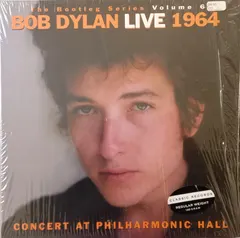


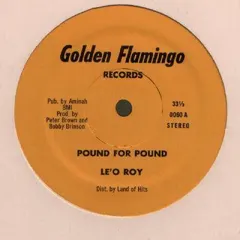


JunkPal may earn a commission when you buy through eBay links, at no extra cost to you.
What’s worth the most
Ranked on medians of real closed eBay sales, not asking prices.