What does “vinyl release” mean?
What it means
"Vinyl vinyl release" is redundant terminology. It simply refers to any commercially available record pressed onto vinyl LPs, singles, or EPs. In the collecting and reselling context, this phrase carries no inherent value designation. It is not a grading standard, a specific pressing variant, or a recognized scarcity marker. The term is functionally equivalent to saying "record release." Value is determined not by the generic descriptor, but by the underlying physical attributes: the pressing run, the mastering details, the packaging quality, and the market demand for the specific artist or musical style.
What it does to price
The generic "vinyl release" designation anchors the price to the condition and general market demand. A common, mass-produced pressing in good condition (VG+) might fetch \$15–\$30, depending on the artist. A highly sought-after, scarce, or audiophile pressing of the same artist, even if still labeled generally, can multiply that value by 3x to 10x. For example, a standard reissue might sell for \$20, while a verified first pressing of the same album, due to its specific pressing details, could command \$75. Condition is the primary driver; a scratched copy of a rare release is worth less than a pristine copy of a common release.
How to spot it
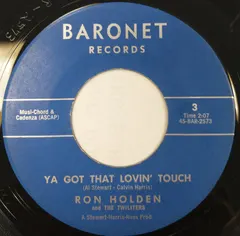
To move beyond the generic, specific physical details must be identified. Key tells include the matrix/runout numbers etched near the label, which identify the mastering engineer and pressing plant. Look for specific catalog numbers that denote limited runs or specific regional pressings. Sellers must provide high-resolution photos of the label, the spine, and the inner sleeve. Common honest mistakes include misidentifying a later reissue as a first pressing. Fakes often feature incorrect barcode placements or slightly off-color sleeves compared to known authentic versions.
Buying smart
Paying a significant premium for a generic "vinyl release" is only justifiable when the associated artist or genre has proven, sustained collector demand, and the item is in near-mint condition (NM). If the item lacks verifiable pressing details, the premium should be minimal—no more than 25% above the average price for that artist's standard release. A fair deal involves the price reflecting the *known* scarcity or quality, not just the generic format. If the seller cannot provide matrix numbers or pressing plant information, the price should be treated as a baseline estimate only.
Selling smart
Proving the specific nature of the vinyl release transforms its market perception. Listing an item as a "First Pressing, Limited Edition, UK Import" immediately separates it from a generic listing. The one piece of evidence that earns the premium is a clear, close-up photo of the matrix numbers in the runout groove. This single detail allows a knowledgeable buyer to verify authenticity and scarcity, justifying a price point significantly higher than a standard VG+ copy.
On eBay right now
Current asking prices from live listings — not sold-comp medians.


eBay links are affiliate links: JunkPal may earn a commission at no cost to you.
Resale values related to vinyl release
Shop vinyl release on eBay ↗





JunkPal may earn a commission when you buy through eBay links, at no extra cost to you.
What’s worth the most
Ranked on medians of real closed eBay sales, not asking prices.