What does “vinyl protector” mean?
What it means
A vinyl protector is any accessory used to shield a vinyl record from environmental and physical damage. This category encompasses inner sleeves (anti-static, archival), outer sleeves (dust jackets), and storage solutions (crates, display stands). The function is damage mitigation: preventing dust ingress, surface abrasion, and static buildup. The term is broad; the specific protector dictates the value impact. High-quality protectors maintain the record's condition, which directly correlates to its collectible grade.
What it does to price
The presence of appropriate, high-quality protection is a condition enhancer, not a primary value driver, unless the protector is part of a specific, desirable reissue package (e.g., a numbered slipcase). For standard LPs, excellent protective packaging supports a higher grade assessment. A record graded NM (Near Mint) protected in archival sleeves will typically command 10-20% more than the same record graded NM but stored loosely. Conversely, a record with visible sleeve wear, even if the vinyl is perfect, will see a price reduction of 15-30% because the protective barrier failed. A $50 LP in pristine, sealed packaging might sell for $55; the same LP with a visibly creased outer sleeve might sell for $42.
How to spot it
Identify the material quality. Archival sleeves are typically made of polyethylene or polypropylene, often labeled "anti-static" or "rice paper." Cheap, thin plastic sleeves are prone to static and abrasion. For outer sleeves, check the jacket material; heavy-weight cardstock suggests better preservation than thin, flimsy paper. Common mistakes include using standard plastic bags instead of dedicated sleeves, which trap moisture and static. Fakes are rare for basic sleeves but appear in high-end limited editions where the protective packaging itself is part of the numbered scarcity. Always request clear photos of the record *inside* its current sleeve, not just the cover.
Buying smart
Paying a premium for protectors is worthwhile when acquiring high-value, first-pressing, or rare pressings where condition is the primary determinant of value. If the record is common and the condition is already acceptable (VG+), the cost of premium packaging is negligible compared to the discount it provides. A fair deal involves the seller providing evidence of proper storage. If a seller is offering a record with a visibly damaged outer sleeve but insists it is "mint," the premium for the protection is not justified; the buyer must factor in the damage risk.
Selling smart
Listing a record with documented, high-quality protection significantly de-risks the purchase for the buyer, allowing for a higher asking price. The single most effective element is a photo showing the record *within* the protective sleeve, clearly demonstrating the sleeve's integrity. Use the term "Archival Sleeves" or "Mint Outer Sleeve" in the description. This shifts the perceived risk from the buyer to the seller, justifying a 5-15% premium over an identical record listed without documented protection.
On eBay right now
Current asking prices from live listings — not sold-comp medians.


eBay links are affiliate links: JunkPal may earn a commission at no cost to you.
Resale values related to vinyl protector
Shop vinyl protector on eBay ↗
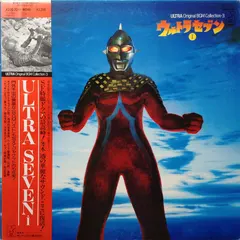

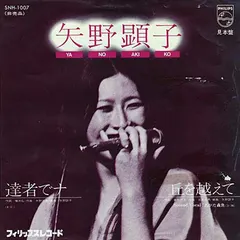
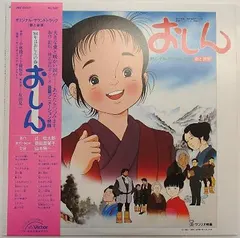
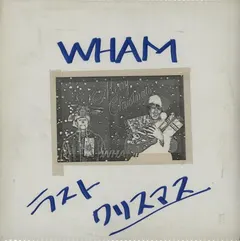
JunkPal may earn a commission when you buy through eBay links, at no extra cost to you.
What’s worth the most
Ranked on medians of real closed eBay sales, not asking prices.