What does “vinyl pressing type” mean?
What it means
Vinyl pressing type denotes the specific technical parameters under which a vinyl record was manufactured. This goes beyond simple "first pressing" status to cover the actual sonic blueprint of the record. Key variations include the mastering format (e.g., analog vs. digital transfer), the recording configuration (mono vs. stereo), and the specific pressing plant or vinyl compound used. For the collector, this dictates the sound profile. A "pressing type" isn't just a label; it is the artifact's sonic DNA. A mainstream equivalent would be the original master tape source used for the lacquer cut.
What it does to price
Pressing type is a direct driver of value, often overriding condition for high-end audiophile items. A known, desirable original pressing (e.g., an early UK mono pressing of a specific album) can command 3x to 10x the price of a modern reissue, even if both are Mint condition. Conversely, a later, poorly mastered reissue might sell for 20-30% less than an equivalent original. For example, a highly sought-after early US stereo pressing of a classic jazz album might fetch $250, while a standard modern reissue of the same album might sell for $60. The multiplier depends entirely on the historical significance and sonic reputation of that specific pressing run.
How to spot it
Identification relies on detailed inspection. Check the matrix/runout groove etchings—these often contain codes identifying the stamper, pressing plant, and mastering engineer (e.g., "A1/B2"). Examine the label itself for specific print runs or color variations that denote early vs. later production batches. For complex releases, sellers must provide high-resolution photos of the label, sleeve spine, and the deadwax area. A common mistake is mistaking a "colored vinyl" reissue for a vintage pressing; these are often modern color-tinted pressings, not artifacts of the original manufacturing era.
Buying smart
Paying a premium for pressing type is justified only when the sonic difference is verifiable and desired by the buyer. If the goal is archival completeness or specific historical sound, the premium is warranted. If the goal is casual listening, the savings from buying a later, cheaper reissue are substantial. A fair deal involves the seller clearly identifying the pressing type (e.g., "Original UK First Pressing, Stereo") and the asking price falling within the established secondary market range for that specific variant. If the seller cannot provide verifiable evidence of the pressing type, the premium should be discounted significantly.
Selling smart
Proving the pressing type transforms a generic record into a specialized collectible. Listing the exact matrix numbers or referencing the known sonic characteristics of the pressing run immediately targets high-value buyers. The single most effective element in a listing is a clear, close-up photograph of the runout groove etchings. This single piece of evidence validates the claim, allowing the seller to command the top end of the market range, often adding a 25-50% premium over listings where the pressing type is merely asserted without proof.
On eBay right now
Current asking prices from live listings — not sold-comp medians.


eBay links are affiliate links: JunkPal may earn a commission at no cost to you.
Resale values related to vinyl pressing type
Shop vinyl pressing type on eBay ↗


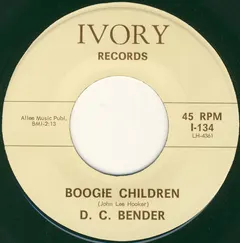


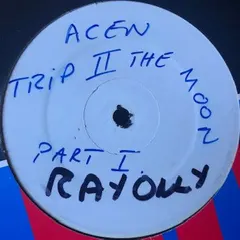
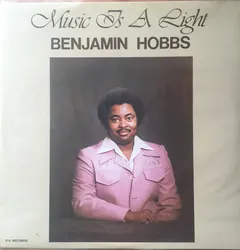
JunkPal may earn a commission when you buy through eBay links, at no extra cost to you.
What’s worth the most
Ranked on medians of real closed eBay sales, not asking prices.