What does “vinyl pressing flaw” mean?
What it means
A vinyl pressing flaw is any deviation from perfect surface quality present on a vinyl record resulting from the manufacturing process. This encompasses a spectrum of defects. Minor flaws include dust inclusions, light surface scuffs, or slight, imperceptible warpage. Major flaws include deep gouges, heavy scratches that interrupt the groove, or skips. In the collecting niche, this is a quantifiable determinant of the record’s Grade (e.g., VG+, VG, G). The mainstream equivalent is simply "condition," but "pressing flaw" specifically isolates manufacturing defects from user damage.
What it does to price
Flaws create a direct, inverse correlation with market value. A Near Mint (NM) copy of a sought-after pressing can fetch 3x to 10x the price of a copy with significant flaws. A VG+ copy might retain 40-60% of the NM value. A record graded VG or lower, exhibiting heavy scratches or skips, often depreciates to 10-25% of its original value, sometimes even below cost if the damage is severe enough to prevent playback. For example, a rare first pressing valued at $100 NM might sell for $30 if it has a noticeable skip.
How to spot it
Flaws are best identified by visual inspection under strong, direct light. Surface scratches appear as linear marks across the grooves. Warping is assessed by placing the record on a flat surface; severe warpage causes audible distortion or tracking issues. Dust inclusions are tiny specks visible under magnification. Skips are audible and visible as the stylus jumps out of the groove. Sellers should provide high-resolution photos of the entire surface, both spinning and static, specifically highlighting any visible marks. Honest mistakes are often minor surface scuffs; fakes or severe damage are usually deep, gouging marks.
Buying smart
Paying a premium for a flawed record is only justifiable when the flaw is documented, minor, and the pressing itself is otherwise highly desirable (e.g., a rare, sought-after variant). If the flaw is a deep scratch or skip, the premium is never worth it; the record is functionally damaged. A fair deal involves the price reflecting the stated grade. If a seller claims VG+ but the record shows heavy scratches, the price is inflated. If the flaw is minor (light surface noise), the price should reflect a slight discount from NM, not a massive markdown.
Selling smart
Transparency regarding pressing flaws is the primary driver of a successful sale. Hiding flaws leads to returns and negative feedback. Documenting flaws in the listing description—specifying the exact nature (e.g., "Light surface scuffs visible under direct light," or "One minor skip near track 3")—allows buyers to self-select. The single most valuable asset in a listing is a close-up photo of the most prominent flaw. This documentation shifts the transaction from a gamble to an informed purchase, allowing the seller to command a price commensurate with the record's actual, documented condition.
On eBay right now
Current asking prices from live listings — not sold-comp medians.


eBay links are affiliate links: JunkPal may earn a commission at no cost to you.
Resale values related to vinyl pressing flaw
Shop vinyl pressing flaw on eBay ↗
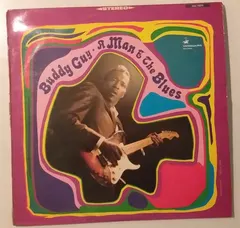





JunkPal may earn a commission when you buy through eBay links, at no extra cost to you.
What’s worth the most
Ranked on medians of real closed eBay sales, not asking prices.