What does “vinyl pressing error” mean?
What it means
A vinyl pressing error is any deviation from the intended master recording or physical manufacturing specifications during the vinyl production run. This encompasses audible defects (pops, clicks, surface noise, skips) and physical defects (warping, groove inconsistencies, label misalignment). In the collecting niche, the term is split: some errors are considered manufacturing flaws that detract from condition, while others are documented "error pressings" that are intentional or accidental variations sought after by specific collectors. The mainstream equivalent is simply "defect," but the collector market differentiates between a functional flaw and a collectible anomaly.
What it does to price
The impact on price is binary. A significant, unlisted manufacturing flaw (heavy static, severe warping) typically reduces value by 20-50% compared to a clean copy. Conversely, a rare, documented pressing error can act as a multiplier. For a common pressing, a verified, sought-after error variant can fetch 2x to 10x the price of a standard copy, depending on rarity and demand. For example, a standard $30 LP might sell for $75-$100 if it is a known, desirable "misprint" variant.
How to spot it
Audible errors require careful playback testing on calibrated equipment. Physical errors are visible. Look for obvious warping (visible bowing) or severe groove damage. For print or pressing errors, sellers must provide high-resolution photos of the label, run-out groove etchings (dead wax), and the sleeve itself. Fakes often involve simple cosmetic damage; true error pressings involve deviations in the matrix codes, color variations not intended for that run, or audible artifacts specific to that pressing batch.
Buying smart
Paying a premium for an error pressing is only justified if the error is documented, verifiable, and desirable within the specific genre or subculture of the record. If the error is merely a minor surface noise or a slight label smudge, the premium is unwarranted. A fair deal involves a documented error being priced at a premium reflective of its rarity, not just its existence. If the error is severe enough to impede listening enjoyment, the premium is never justified.
Selling smart
Listing an error pressing requires precise documentation. Do not simply state "has error." Identify the error (e.g., "Matrix code variance," "Misprinted label," "Color variant"). The single most valuable element in a listing is a close-up photograph clearly showing the specific error—be it a unique matrix stamp or a visible label flaw. This evidence transforms the item from a damaged record into a collectible artifact, justifying the premium price.
On eBay right now
Current asking prices from live listings — not sold-comp medians.


eBay links are affiliate links: JunkPal may earn a commission at no cost to you.
Resale values related to vinyl pressing error
Shop vinyl pressing error on eBay ↗
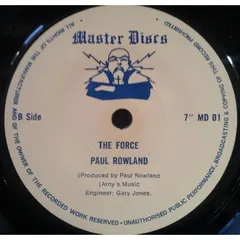


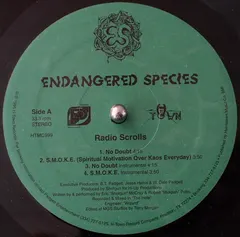


JunkPal may earn a commission when you buy through eBay links, at no extra cost to you.
What’s worth the most
Ranked on medians of real closed eBay sales, not asking prices.