What does “vinyl press” mean?
What it means
A vinyl press is the physical vinyl record disc itself. It is the tangible product resulting from the molding and pressing process. This term encompasses the specific manufacturing run of a record. The key differentiator in value is the *type* of press: first pressing, reissue, limited edition, or unauthorized bootleg. A first pressing is the initial run released by the artist or label. Reissues are later reproductions, often with updated mastering or packaging. Bootlegs are unauthorized copies. The pressing details define the record's provenance and scarcity, which directly dictates its market value.
What it does to price
Pressing quality is the primary driver of price variance. A genuine first pressing, especially one from a highly sought-after initial run, can command 3x to 10x the price of a standard modern reissue, depending on demand and condition. A common reissue, even in Near Mint condition, might sell for 1.5x the price of a heavily worn original pressing. Conversely, a known bootleg, regardless of how good the vinyl sounds, will sell for a fraction of the original pressing’s value, often 10% to 30% of a legitimate copy. For example, a first pressing of a rare 1970s jazz album might sell for $1,200, while a modern, identical-looking reissue might fetch $80.
How to spot it
Authenticity relies on physical inspection. Matrix numbers, etched into the runout groove near the label, are the definitive identifier. These codes link the physical disc to the mastering session and pressing plant. Look for specific label variations, color variations, or unique sleeve print details associated with the known first run. Sellers must provide high-resolution photos of the label and the runout groove. Common mistakes include mislabeling a reissue as a first pressing. Fakes often have poorly stamped labels or inconsistent vinyl weight compared to known original pressings.
Buying smart
Paying a premium for a press is justified when the record is a documented, scarce first pressing of high cultural or musical significance, and the pressing quality (sound quality, vinyl weight) is verifiable. If the record is a common reissue of a widely available album, the premium is likely unwarranted unless the packaging is exceptionally rare. A fair deal on a desirable first pressing usually involves a price within 15-25% of established market averages for that specific pressing variant. If the seller cannot provide clear evidence of the pressing run (e.g., matrix codes), the risk is too high for a significant premium.
Selling smart
Listing the specific pressing details transforms the record from a commodity into a collectible artifact. Explicitly stating "Original First Pressing, Matrix XYZ-123" immediately targets high-value buyers willing to pay the premium. The single most valuable piece of evidence to include in a listing is a clear, close-up photograph of the matrix numbers in the runout groove. This single photo authenticates the claim, allowing the seller to command prices at the top end of the market spectrum, often achieving a 40-60% price increase over listings that only state "Original Pressing."
On eBay right now
Current asking prices from live listings — not sold-comp medians.


eBay links are affiliate links: JunkPal may earn a commission at no cost to you.
Resale values related to vinyl press
Shop vinyl press on eBay ↗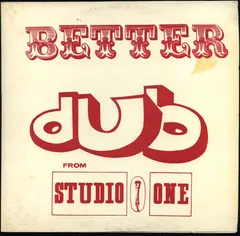



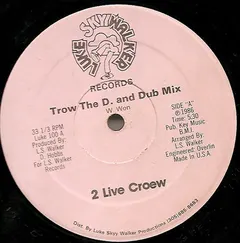

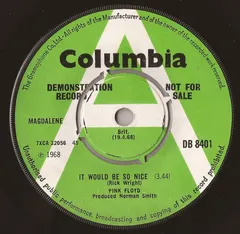
JunkPal may earn a commission when you buy through eBay links, at no extra cost to you.
What’s worth the most
Ranked on medians of real closed eBay sales, not asking prices.