What does “vinyl playback quality” mean?
What it means
Vinyl playback quality is the measurable fidelity of the audio signal retrieved from a physical vinyl pressing. It is not merely the subjective "sound" but the objective performance across the frequency spectrum. This includes high-frequency extension (treble clarity), low-frequency response (bass depth and tightness), and mid-range accuracy. Crucially, it encompasses the noise floor—the presence and severity of surface imperfections like hiss, crackle, and pops. For collectors, this is often dictated by the mastering process (analog vs. digital transfer) and the quality of the vinyl pressing itself (e.g., heavy vinyl weight, lacquer quality).
What it does to price
Playback quality acts as a direct modifier to market value. A pristine, audiophile-grade pressing with minimal surface noise can command a 1.5x to 3x premium over a standard pressing of the same rarity and condition. Conversely, significant audible surface noise (heavy crackle) can depress the price by 20% to 40%, regardless of the record's scarcity. For example, a sought-after first pressing with heavy, distracting pops might sell for $80, whereas the same pressing in near-mint condition with virtually no audible noise could fetch $120 to $160.
How to spot it
Spotting playback quality requires physical inspection and listening. Visually, look for concentricity errors, warps, or deep scuffs, which guarantee poor playback. For mastering quality, collectors look for specific mastering engineer credits or unique matrix/runout etchings associated with known high-fidelity runs. Sellers must provide detailed condition reports. Ask for photos of the record surface under strong, direct light to check for hairline scratches that might not be visible in standard listings. Beware of "reissues" marketed as "audiophile" without verifiable evidence of superior mastering or pressing plant.
Buying smart
Paying a premium for playback quality is justified when the music is critically important to the collector or when the record is a known benchmark pressing (e.g., a specific early mono pressing). If the sound quality is only marginally better than a standard pressing, the premium is likely inflated. A fair deal exists when the seller can substantiate the quality claim—for instance, providing audio samples or detailed notes on the pressing plant. If the difference between two copies is only slight, the cheaper, visually sound copy is the practical purchase.
Selling smart
To maximize value, the listing must quantify the quality. Do not simply state "Good condition." Instead, use precise language: "Minimal surface noise, excellent dynamic range" or "Near-silent playback, audiophile mastering." The single most effective element is a short audio clip (if possible) or a detailed description of the noise floor. Stating "No audible crackle at 33 RPM" immediately shifts the perceived value upward, moving the item from a standard collectible to a premium audio artifact.
On eBay right now
Current asking prices from live listings — not sold-comp medians.


eBay links are affiliate links: JunkPal may earn a commission at no cost to you.
Resale values related to vinyl playback quality
Shop vinyl playback quality on eBay ↗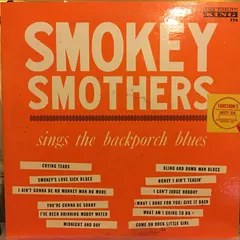
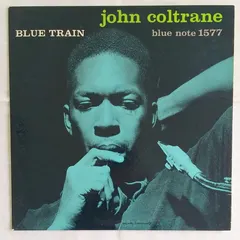



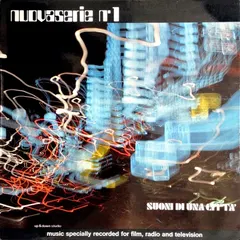


JunkPal may earn a commission when you buy through eBay links, at no extra cost to you.
What’s worth the most
Ranked on medians of real closed eBay sales, not asking prices.