What does “vinyl playback” mean?
What it means
Vinyl playback refers to the complete chain of components required to convert the physical grooves of a vinyl record into an audible sound signal. This includes the turntable chassis, tonearm, cartridge (needle/stylus), phono preamplifier (preamp), and the connected speakers. In the collecting context, this is not just about the record's physical state; it is about the *audible integrity* of the music when played back. A poor playback system—such as a worn stylus or a noisy preamp—will introduce artifacts (hiss, distortion, rumble) that obscure the intended audio quality, regardless of the vinyl's visual condition.
What it does to price
Playback quality acts as a direct quality modifier on the record's value. A record played back flawlessly on a high-quality, modern setup supports a higher asking price, often justifying a 10-25% premium over a visually identical copy played on basic, unknown equipment. Conversely, if a record is known to skip, have excessive surface noise, or sound muffled due to component failure, the price must drop significantly, potentially 30-50% below market value, as the buyer is purchasing a flawed listening experience. For example, a mint pressing known to have a worn cartridge will sell for $15 less than the same pressing known to play perfectly.
How to spot it
Spotting playback issues requires more than just visual inspection. Sellers should provide photos of the stylus tip, showing wear patterns, and the turntable platter/belt condition. Listeners should request short audio clips, not just static photos. Common honest mistakes include using a low-quality, ungrounded preamp, which introduces hum. Fakes or misrepresentations often involve claiming a record is "audiophile quality" without providing any playback evidence. If a seller claims "perfect sound" but offers no proof, treat the claim with skepticism.
Buying smart
Paying a premium for a record based on its playback quality is worthwhile when the record is rare, highly sought after, or known to be a master recording. If the record is common or the difference in price between two listings is marginal (under $10), the risk of paying extra for unverified playback quality is too high. A fair deal involves a seller who can demonstrate clean playback on equipment that appears maintained, or a seller who explicitly discloses known playback flaws (e.g., "minor crackle on side B").
Selling smart
Proving playback integrity is the most effective way to justify a top-tier asking price. A simple, short video clip demonstrating the record playing cleanly through a good system is worth more than a dozen photos. The single most impactful word in a listing description is "Clean Playback" or "Flawless Sound," provided it is verifiable. This shifts the sale from being a transaction of physical goods to a sale of a complete, high-quality listening experience.
On eBay right now
Current asking prices from live listings — not sold-comp medians.


eBay links are affiliate links: JunkPal may earn a commission at no cost to you.
Resale values related to vinyl playback
Shop vinyl playback on eBay ↗
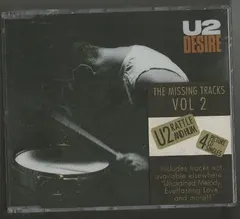


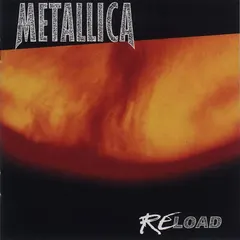


JunkPal may earn a commission when you buy through eBay links, at no extra cost to you.
What’s worth the most
Ranked on medians of real closed eBay sales, not asking prices.