What does “vinyl noise” mean?
What it means
Vinyl vinyl noise describes audible imperfections on a record surface. This encompasses surface noise, which includes constant background hiss, crackle, pops, and clicks. It is not a formal grading category (like VG+ or NM) but a descriptive quality assessment. The noise is a direct indicator of the physical condition of the vinyl medium itself. Hiss is typically consistent background static. Pops and clicks are discrete, sharp sounds caused by dust, debris, or minor groove damage. The presence and intensity of this noise directly dictate the perceived audio quality and, therefore, the market value.
What it does to price
Noise is a direct detractor from value. A record graded VG+ with noticeable, consistent surface noise will sell for significantly less than a VG+ copy that plays clean. For a common pressing, the difference can be 30–50% less in price. For a rare or highly sought-after pressing, the impact is magnified; a noisy copy might sell for 40–60% less than a pristine copy. Conversely, a record that is technically rare but exhibits significant, unfixable noise might only fetch 10–20% of its theoretical value. A clean copy of a mid-tier album might fetch $15 more than a noisy version of the same pressing.
How to spot it
Noise is assessed during playback, not by visual inspection alone. Visual inspection can reveal deep scratches, which guarantee noise. However, surface noise (hiss/light crackle) is often invisible. Sellers should provide high-quality audio samples or detailed descriptions of the noise profile. Ask specifically: Is the noise consistent hiss (indicating wear/storage) or intermittent pops/clicks (indicating debris/damage)? A common mistake is confusing dust residue (easily removed) with deeper groove wear (permanent noise).
Buying smart
Paying a premium for a record with noise is only justifiable if the pressing itself is historically significant, extremely rare, or if the noise is minimal and acceptable to the buyer's tolerance. If the record is common or the noise is severe (constant loud crackle), the premium is not warranted. A fair deal for a noisy copy is one where the price reflects the *noise level* relative to the pressing's rarity. If the noise is heavy, the price should reflect a "player copy" discount, regardless of the pressing's status.
Selling smart
Listing must accurately reflect the noise profile. Do not mislead buyers by omitting noise descriptions. If the record plays cleanly, list it as "Plays Clean" or "Minimal Surface Noise." If it has audible issues, use precise language: "Light intermittent pops," or "Consistent background hiss." The single most valuable addition to a listing is a short, honest audio clip demonstrating the noise level. This transparency prevents returns and establishes trust, allowing the seller to command a price commensurate with the actual condition.
On eBay right now
Current asking prices from live listings — not sold-comp medians.

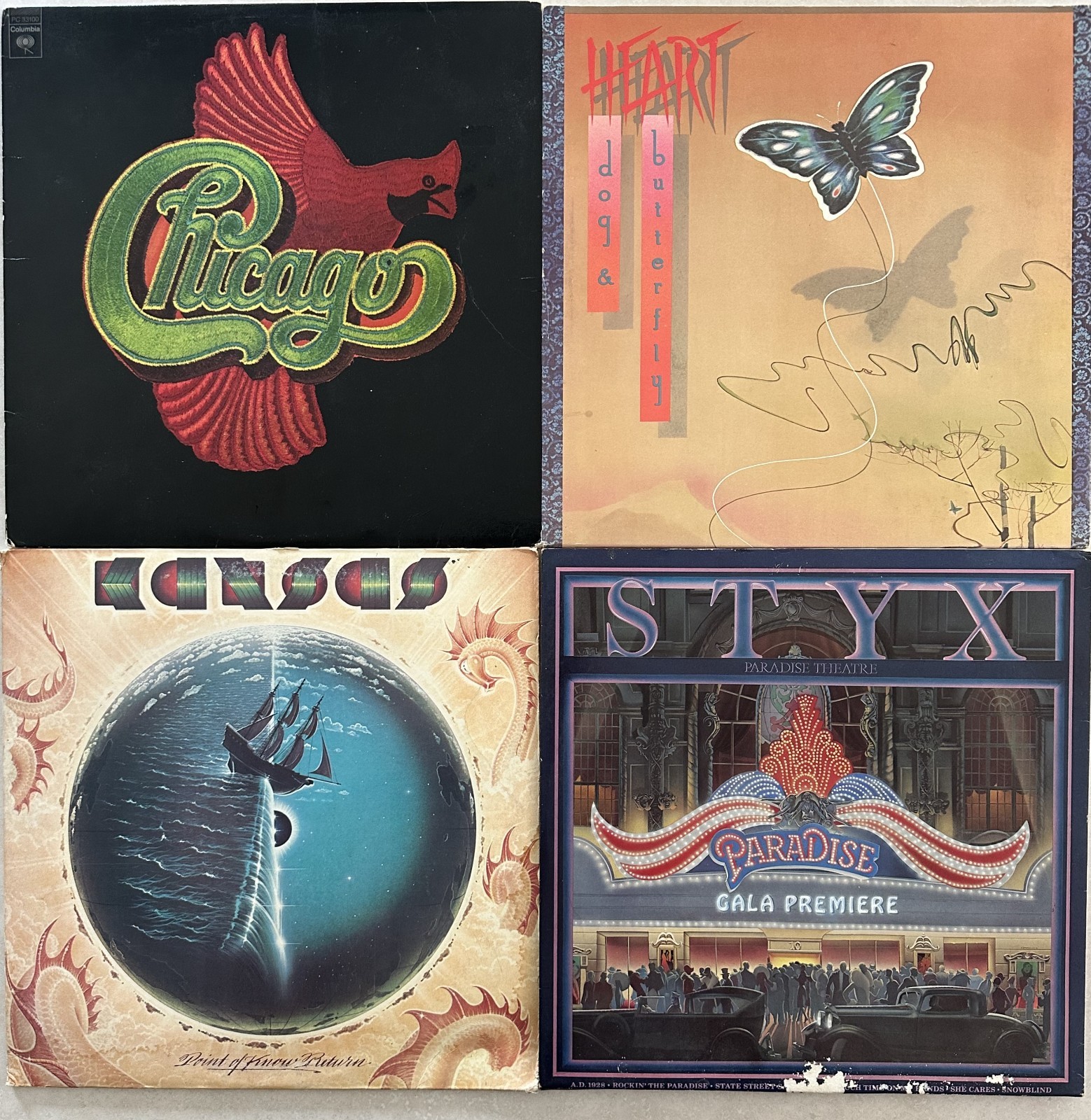
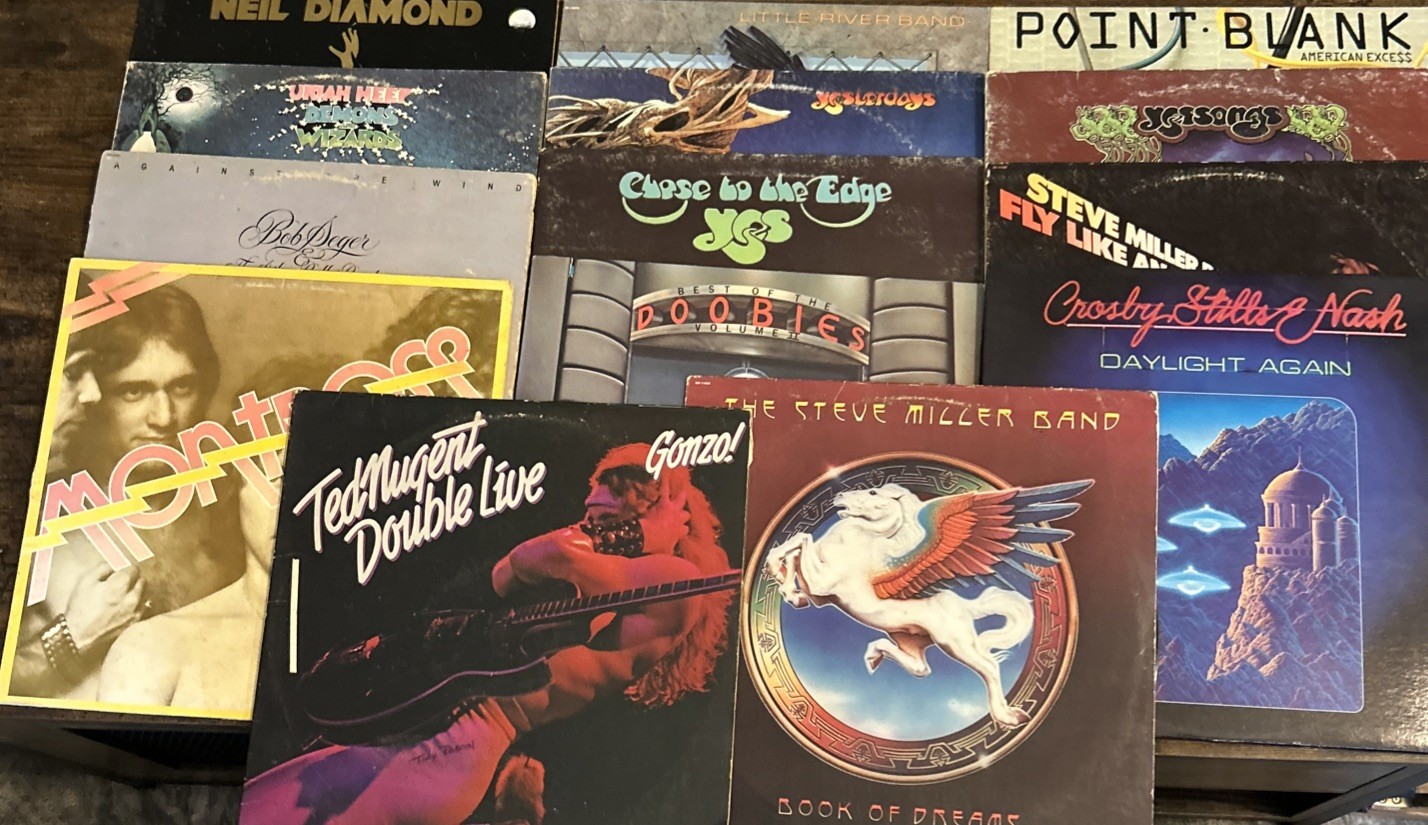


eBay links are affiliate links: JunkPal may earn a commission at no cost to you.
Resale values related to vinyl noise
Shop vinyl noise on eBay ↗


JunkPal may earn a commission when you buy through eBay links, at no extra cost to you.
What’s worth the most
Ranked on medians of real closed eBay sales, not asking prices.