What does “vinyl low frequency extension” mean?
What it means
Vinyl low frequency extension is the technical capacity of a specific vinyl pressing to accurately reproduce the lowest audible frequencies—the deep, resonant bass notes. It is not solely a feature of the record itself, but a measure of the *recording* quality relative to the physical medium. Good extension means the record handles deep sub-bass (e.g., kick drums, cello lows) without sounding muddy, distorted, or thin. Mainstream equivalent: Bass response or low-end fidelity. Poor extension results in a loss of impact and sonic weight.
What it does to price
High, verifiable low-frequency extension is a direct driver of premium pricing, particularly for audiophile-grade pressings (e.g., MoFi, Analogue Productions). A pristine, early pressing known for superior dynamic range and deep bass can command a 1.8x to 3.5x multiplier over a standard reissue of the same title. A noticeable lack of bass—a thin, weak sound—can reduce perceived value by 20-40% against a comparable pressing. For example, a highly sought-after jazz pressing with excellent extension might sell for $150, whereas a poorly mastered reissue of the same album might only fetch $80.
How to spot it
Directly spotting low-frequency extension visually is impossible. It requires listening. However, certain production characteristics correlate with better mastering. Look for early, limited pressings or those specifically marketed as "audiophile mastering" or "high-resolution." Examine the matrix/runout codes; sometimes, specific mastering engineers associated with superior sonic profiles are noted. Sellers should provide high-quality audio samples if possible. A common mistake is confusing *loudness* with *extension*; a loud record can sound boomy (muddy bass) rather than extended (clean, deep bass).
Buying smart
Paying a premium for low-frequency extension is justified when the record is a definitive, highly sought-after master (e.g., a specific Blue Note reissue or a rare classical recording). This premium is warranted when the mastering engineer is known for dynamic accuracy. It is not worth the premium if the record is a generic, mass-market reissue where the bass is simply boosted artificially (which sounds artificial, not extended). A fair deal involves the asking price being within 15-25% of the established market rate for that specific pressing variant, provided the sonic profile matches the hype.
Selling smart
Listing the record with explicit mention of its sonic characteristics—e.g., "Exceptional low-end depth," or "Deep, resonant bass reproduction"—allows the seller to target the high-end audiophile buyer. This descriptive language justifies a higher asking price point. The single most effective tool is a short, high-quality audio clip demonstrating the bass response on a capable system. This moves the item from a simple collectible to a demonstrated piece of audio equipment, often earning a 10-20% premium over listings that only describe the vinyl condition.
On eBay right now
Current asking prices from live listings — not sold-comp medians.


eBay links are affiliate links: JunkPal may earn a commission at no cost to you.
Resale values related to vinyl low frequency extension
Shop vinyl low frequency extension on eBay ↗

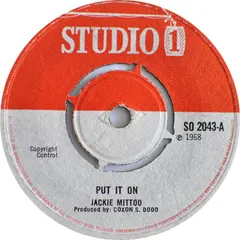


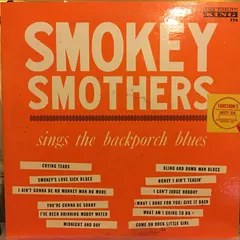
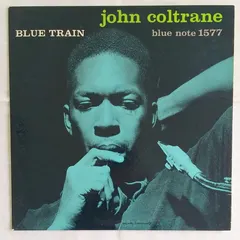
JunkPal may earn a commission when you buy through eBay links, at no extra cost to you.
What’s worth the most
Ranked on medians of real closed eBay sales, not asking prices.