What does “vinyl light scratches” mean?
What it means
Vinyl light scratches are superficial surface abrasions on a record's playing surface. They manifest as fine lines, hairline marks, or subtle swirls visible when the record is held under direct, angled light. These marks do not penetrate the vinyl substrate deeply enough to cause audible skipping or significant noise during playback. In grading terms, they are generally classified within Very Good Plus (VG+) or Excellent (EX). They represent cosmetic wear, not functional damage. They are distinct from deep gouges, which are considered significant playback defects.
What it does to price
The presence of light scratches consistently lowers the maximum achievable price compared to Mint (M) or Near Mint (NM) copies. For a common, mass-market pressing, a record graded NM might sell for $30-$40. A copy exhibiting light scratches, graded VG+, typically settles in the $20-$28 range. The impact is cumulative; multiple areas of light scratching push the grade down further. Conversely, if the scratches are extremely faint—almost invisible outside of laboratory conditions—the price reduction is minimal, perhaps 5-10% off NM pricing.
How to spot it
Inspection requires a bright, angled light source, often utilizing a desk lamp positioned low and close to the vinyl. Light scratches appear as thin, reflective trails across the grooves. Sellers must provide high-resolution photos taken under this specific lighting condition. A common mistake is mistaking dust embedded in the grooves for scratches; dust looks opaque and scattered, whereas scratches are linear and reflective. Authentic light scratches are consistent across the surface, not isolated to one small area.
Buying smart
Paying a significant premium for a record with visible light scratches is only justifiable when the record is otherwise flawless (e.g., pristine sleeve, rare variant pressing, or highly sought-after first pressing). If the record is a common reissue, the cost of acquiring a VG+ copy with light scratches is often negligible compared to the risk of purchasing a heavily damaged copy. A fair deal for a common album with light scratches is one where the price reflects a clear step down from the NM market rate, usually within a 15-25% discount.
Selling smart
Documenting light scratches accurately is crucial for maximizing sale value. Listing descriptions must explicitly state the grade (e.g., "VG+ - Light surface scuffs visible under direct light"). A single, well-lit photo showcasing the surface wear under angled light provides undeniable proof of condition. This transparency prevents disputes and attracts buyers specifically looking for playable, slightly used copies, allowing the seller to command the VG+ price bracket rather than being forced into a lower, "Fair" grade due to vague descriptions.
On eBay right now
Current asking prices from live listings — not sold-comp medians.


eBay links are affiliate links: JunkPal may earn a commission at no cost to you.
Resale values related to vinyl light scratches
Shop vinyl light scratches on eBay ↗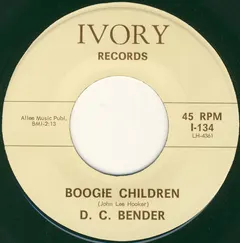


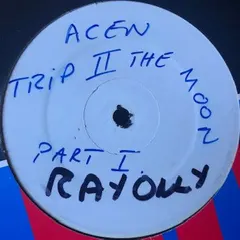
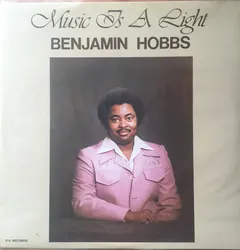
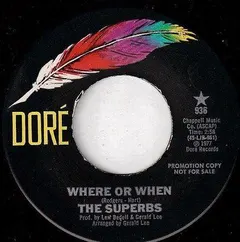
JunkPal may earn a commission when you buy through eBay links, at no extra cost to you.
What’s worth the most
Ranked on medians of real closed eBay sales, not asking prices.