What does “vinyl jitter” mean?
What it means
Vinyl jitter is a subtle, rhythmic, or erratic noise during playback, distinct from simple clicks or pops. It describes surface instability or tracking errors that manifest as a consistent, wavering sound, rather than isolated events. While not a standard grading term (like VG+ or NM), it is a functional flaw indicating inconsistent groove tracking. The mainstream equivalent is often described as "wow and flutter" when related to speed instability, but jitter specifically points to the physical interaction between the stylus and the groove surface itself. Causes include minor warping, dust migration, or incorrect stylus pressure/alignment. For collectors, it signifies compromised fidelity.
What it does to price
Jitter significantly reduces perceived value, especially for audiophile-grade pressings. A record exhibiting noticeable jitter will see a price reduction of 20% to 40% compared to a clean copy of the same pressing. If the jitter is minor and only audible at high volumes, the discount might be 10-15%. If the jitter is severe and constant, the record moves toward "player-grade" or "for parts" pricing, potentially losing 50% or more of its intended value. For example, a rare first pressing valued at \$150 clean might sell for \$100 if jitter is present.
How to spot it
Jitter is primarily an auditory assessment, but certain physical cues can suggest susceptibility. Extreme warping (visible bending) is a major indicator. Inspecting the run-out groove for unevenness or inconsistent lacquer marks can sometimes hint at manufacturing imperfections that lead to jitter. Sellers should provide high-resolution audio samples, not just static photos. A common mistake is mistaking heavy dust or static electricity for true jitter. Honest sellers will disclose this artifact immediately; deceptive sellers will omit it.
Buying smart
Paying a premium for a record with confirmed jitter is only justifiable if the sonic quality is otherwise exceptional (e.g., a historically significant, near-mint pressing otherwise perfect). If the primary draw is pristine audio reproduction, jitter is a dealbreaker. A fair deal for a record with mild, non-intrusive jitter is one where the price reflects a clear discount—at least 25% off the clean market average. If the seller presents it as "near mint" while exhibiting jitter, the asking price is inflated.
Selling smart
Disclosing vinyl jitter accurately transforms the listing from a potential misrepresentation into an informed sale. Listing it as "VG+ with minor tracking instability" is superior to simply listing it as "VG+." This transparency manages buyer expectations and prevents returns. The single most effective element in a listing is a short, clear audio clip demonstrating the artifact. This allows the buyer to self-assess the severity, justifying a lower asking price and attracting buyers who accept the flaw.
On eBay right now
Current asking prices from live listings — not sold-comp medians.

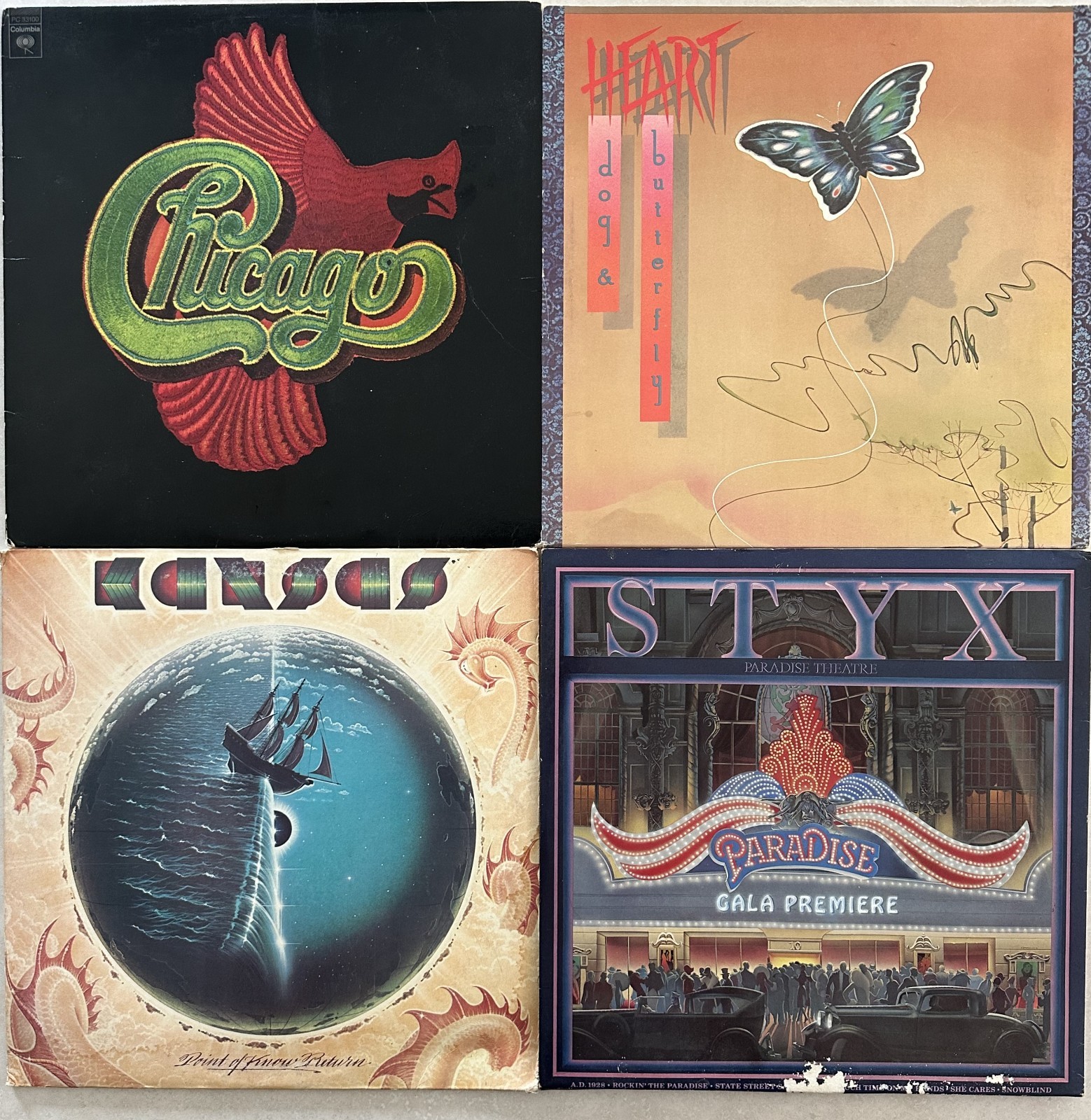
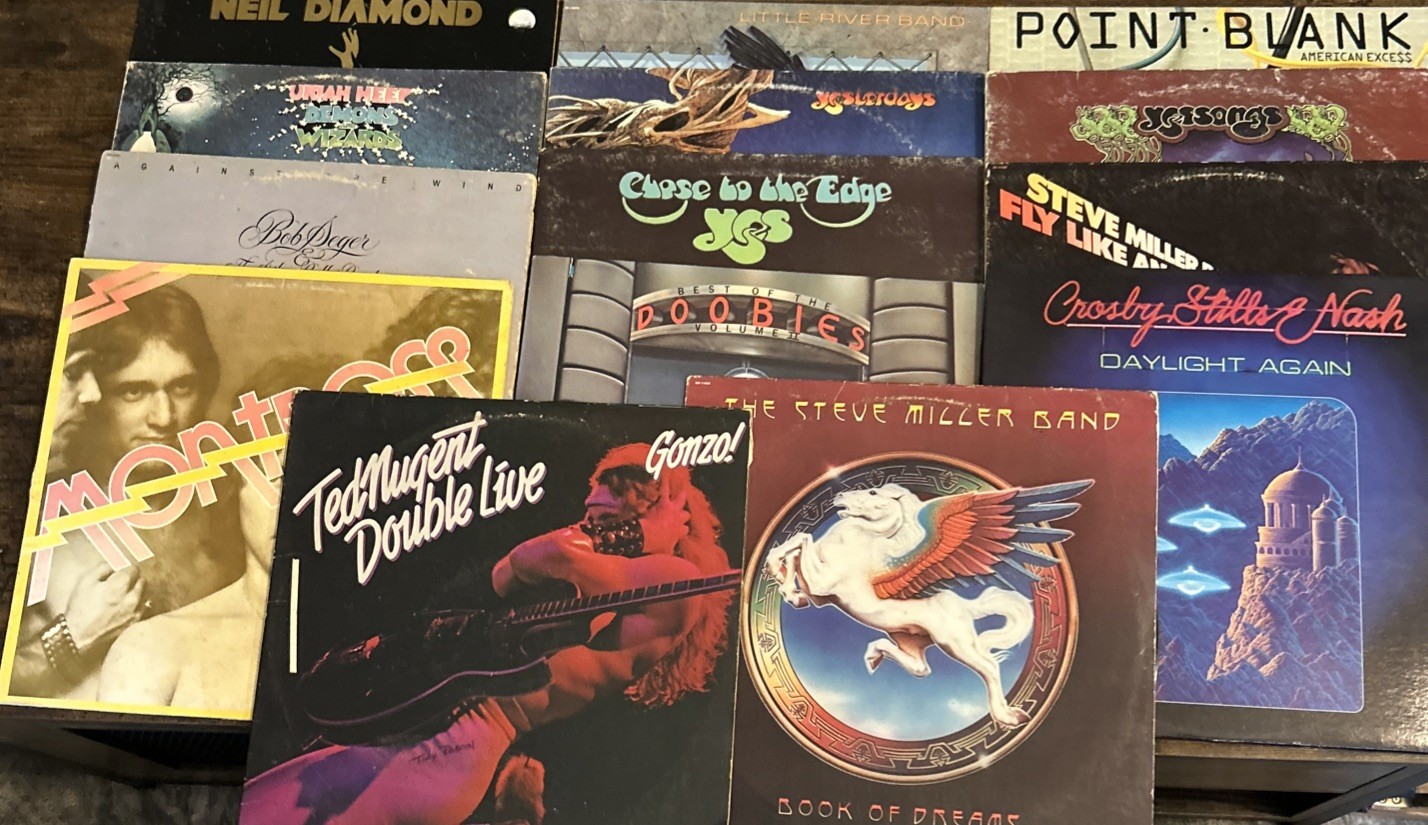


eBay links are affiliate links: JunkPal may earn a commission at no cost to you.
Resale values related to vinyl jitter
Shop vinyl jitter on eBay ↗






JunkPal may earn a commission when you buy through eBay links, at no extra cost to you.
What’s worth the most
Ranked on medians of real closed eBay sales, not asking prices.