What does “vinyl imaging” mean?
What it means
Vinyl imaging is the comprehensive visual presentation of a record package. This includes the sleeve artwork, the inner sleeve design, the record label design, and the physical condition of the jacket and vinyl surface itself. It is the aesthetic and packaging quality. The term encompasses the overall presentation, not just the music quality. For resellers, imaging is the physical presentation that communicates authenticity and desirability before the record is even played.
What it does to price
Imaging directly impacts perceived value. A Near Mint (NM) sleeve and pristine inserts can create a multiplier of 1.5x to 3x over a comparable record in Very Good Plus (VG+) condition, assuming the music quality is equal. Factors pushing value up include factory seals, original promotional materials, and high-quality print runs. Factors pushing value down include ring wear, seam splits, water damage, or heavily worn corners. A pristine, sealed first pressing might command an extra $50 to $150 over a used copy with minor sleeve wear.
How to spot it
Key tells involve examining the sleeve for print registration errors, which indicate a specific pressing run, and checking the label for manufacturing codes or matrix numbers that correspond to the desired edition. Collectors should request high-resolution photos of the spine, back cover, and any included paper inserts. Common issues to spot are "seam splits" (where the jacket material has torn along the edge) and "shelf wear" (minor scuffing from sitting on a shelf). Fakes often have slightly off-color printing or incorrect paper stock compared to known authentic pressings.
Buying smart
Paying a premium for imaging is justified when the record is a highly limited, sought-after first pressing, or when the packaging is integral to the collectible nature (e.g., deluxe box sets). If the record is a standard, widely available reissue, the premium for perfect imaging is often not worth the cost unless the difference is marginal. A fair deal involves the listed price accurately reflecting the documented condition of the sleeve and inserts relative to the asking price tier (e.g., NM condition warrants a higher premium than VG+).
Selling smart
Listing must explicitly detail the condition of the packaging. Use standardized grading language (NM, VG+, etc.) for the sleeve and vinyl separately. The single most effective step is providing clear, well-lit photographs of the entire package—front, back, and any unique inserts. Adding a brief, factual note like "Sealed/Mint Imaging" or "Original Inserts Present" justifies the upper end of the price range and signals to serious buyers that the item is complete and well-preserved.
On eBay right now
Current asking prices from live listings — not sold-comp medians.


eBay links are affiliate links: JunkPal may earn a commission at no cost to you.
Resale values related to vinyl imaging
Shop vinyl imaging on eBay ↗

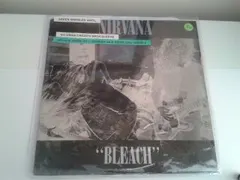

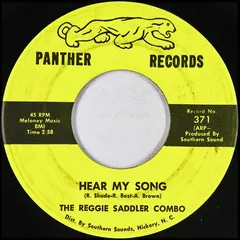
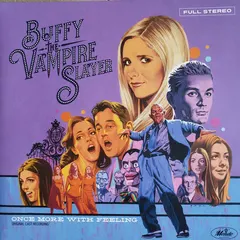

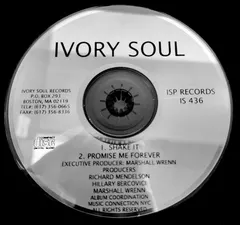
JunkPal may earn a commission when you buy through eBay links, at no extra cost to you.
What’s worth the most
Ranked on medians of real closed eBay sales, not asking prices.