What does “vinyl hiss level” mean?
What it means
Vinyl hiss level is the measurable, audible background noise floor present during playback. It is not merely static; it encompasses surface noise, inherent vinyl material imperfections, and dust residue. In the collecting niche, this refers to the *signal-to-noise ratio* (SNR) of the record. A low hiss indicates a high SNR—the music signal dominates the background noise. A high hiss indicates a low SNR. This is an inherent characteristic of analog playback, not solely a measure of playback equipment quality, although the setup influences perception.
What it does to price
Hiss level directly correlates with perceived audio quality, which dictates market value. A record exhibiting excessive, loud, or intermittent hiss—often categorized as "heavy surface noise"—will see its value significantly depressed. For a common pressing, high hiss can reduce the selling price by 20-40%. Conversely, a record with an exceptionally low, consistent hiss, especially on a rare or sought-after pressing, can command a premium of 1.2x to 2x the price of a comparable copy with average noise. For example, a common LP might sell for \$20; the same LP with near-silent playback could fetch \$28-\$40.
How to spot it
Hiss is primarily assessed through audition, but visual cues can suggest potential issues. Deep, heavy grooves or visible scratches are precursors to high hiss. Sellers should provide high-resolution photos of the run-out groove (the area near the label) for signs of mold or wear. If the record is heavily worn or has been poorly stored, the hiss will be high. There are no specific edition markers that guarantee low hiss, as this is related to pressing quality control, not mastering run. A common mistake is confusing light crackle (a momentary artifact) with persistent hiss (a constant background tone).
Buying smart
Paying a premium for low hiss is justified when acquiring first pressings, limited editions, or high-value archival copies where sonic fidelity is the primary driver of collection value. If the record is a common reissue or a budget pressing, the cost of achieving near-silent playback is often not worth the marginal price increase. A fair deal involves a price that reflects the *expected* noise floor for that specific pressing run. If a seller claims "mint" but the hiss is loud, the price is inflated beyond the condition.
Selling smart
Proving low hiss elevates a record from merely "good condition" to "audiophile grade," justifying higher pricing. The single most effective element in a listing is a short, objective statement confirming playback quality, such as: "Playback exhibits very low surface noise, quiet background hiss." A short, high-quality video clip showing the record playing on a known good setup provides irrefutable proof, allowing the seller to confidently anchor the price at the higher end of the market spectrum.
On eBay right now
Current asking prices from live listings — not sold-comp medians.


eBay links are affiliate links: JunkPal may earn a commission at no cost to you.
Resale values related to vinyl hiss level
Shop vinyl hiss level on eBay ↗
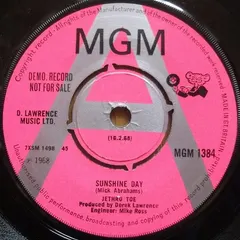

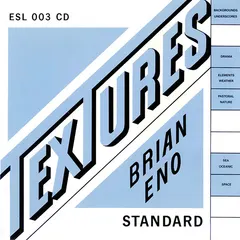
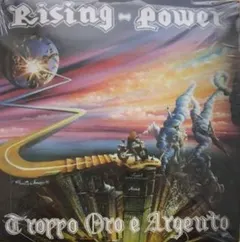
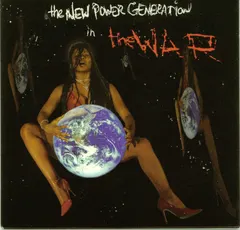

JunkPal may earn a commission when you buy through eBay links, at no extra cost to you.
What’s worth the most
Ranked on medians of real closed eBay sales, not asking prices.