What does “vinyl gloss” mean?
What it means
Vinyl gloss describes the reflective quality of the vinyl substrate itself, not just the sleeve. It is the sheen of the black surface when light hits it. Glossy vinyl is highly reflective, appearing deep and shiny. Matte vinyl has a duller, non-reflective finish. This is a physical characteristic of the pressing material, not a condition grade (like VG+). While some modern pressings are intentionally glossy, older or specific audiophile pressings may have a naturally higher gloss. The visual quality directly impacts perceived presentation.
What it does to price
Gloss significantly influences the premium buyers assign to the item. A pristine, high-gloss pressing can command a 10-25% premium over an identical pressing with a duller finish, assuming all other factors (pressing quality, matrix numbers) are equal. A noticeable dullness or hazing on a glossy record, even if functionally clean, can drop the perceived value by 5-10% because it suggests surface wear or poor storage history. For a rare pressing, a glossy finish can push the asking price up by $20-$50 compared to a duller counterpart, purely based on visual appeal.
How to spot it
The gloss is observed under direct, angled light. Hold the record up to a bright light source and observe how the grooves catch the light. A true gloss finish will show sharp, bright highlights. Matte finishes will diffuse the light more evenly across the surface. Sellers should provide high-resolution, well-lit photos taken at an angle to demonstrate the surface finish accurately. A common mistake is confusing the *label* gloss with the *vinyl* gloss; the label finish is separate. Some budget reissues intentionally use a duller vinyl compound, which is an honest production choice, not a defect.
Buying smart
Paying a significant premium solely for gloss is rarely justified unless the record is a known high-end audiophile pressing where the gloss is an advertised feature. If the gloss is merely cosmetic and the record is otherwise average, the premium is likely inflated. A fair deal involves paying slightly more for a high-gloss copy if it is an undisputed first pressing or a sought-after variant, but the price increase should correlate to scarcity, not just shine. If the gloss is inconsistent across the record, the price should be discounted.
Selling smart
The listing must explicitly state the surface finish. Use terms like "High Gloss Finish" or "Matte Finish." The single most effective visual proof is a close-up photograph taken in strong, directional lighting that clearly captures the reflection across the playing surface. This photo validates the description. Stating "Glossy Vinyl" in the title or description immediately filters buyers and justifies a higher asking price, as it targets collectors who prioritize presentation.
On eBay right now
Current asking prices from live listings — not sold-comp medians.


eBay links are affiliate links: JunkPal may earn a commission at no cost to you.
Resale values related to vinyl gloss
Shop vinyl gloss on eBay ↗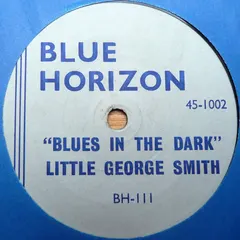


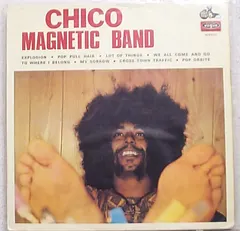



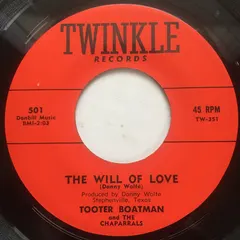
JunkPal may earn a commission when you buy through eBay links, at no extra cost to you.
What’s worth the most
Ranked on medians of real closed eBay sales, not asking prices.