What does “vinyl distortion level” mean?
What it means
Vinyl distortion level is the measurable presence of unwanted sonic artifacts on a record. This encompasses surface noise (hiss, crackle, pops caused by dust or groove wear), and harmonic distortion (a sonic imperfection introduced during the pressing or mastering process). For collectors, this is a direct indicator of the record's physical condition and manufacturing quality. Unlike general "sound quality," distortion level specifically addresses audible flaws. High distortion suggests physical damage, poor vinyl material, or substandard pressing techniques. Low distortion indicates superior pressing fidelity and minimal physical wear. This factor is integral to the overall Media Grade (e.g., VG+, NM).
What it does to price
Distortion level directly correlates with resale value. A Near Mint (NM) record with negligible surface noise commands a significant premium. A copy graded VG+ (Very Good Plus) with noticeable, but intermittent, crackle will see a price reduction, often 30-50% lower than an NM copy of the same pressing. Conversely, a copy with heavy, persistent surface noise (VG or lower) may sell for 60-80% less than its pristine counterpart. For example, a sought-after first pressing in NM condition might sell for $150; the same pressing in VG condition with heavy pops might sell for $75-$100. Distortion is a primary driver in the difference between a high-grade and a mid-grade sale.
How to spot it
Visually, distortion is hard to confirm without playback. Sellers should provide high-resolution photos of the vinyl surface, specifically looking for deep scratches or scuffs that suggest heavy wear. If the seller claims NM, request a short audio clip or a detailed description of the listening experience. Common issues include "inner groove distortion" (audible noise near the center label, often related to mastering) and "surface noise" (random pops/hiss across the entire surface). Fakes or misleading listings often claim NM while the audio reveals significant background hiss or pops.
Buying smart
Paying a premium for low distortion is worthwhile when the record is a highly sought-after first pressing, limited edition, or a critical piece of an essential collection. If the record is a common reissue or a less valuable title, the premium for near-perfect sonic quality diminishes. A fair deal involves a price that reflects the documented grade. If a seller claims NM but the audio reveals persistent, loud crackling, the price is inflated. A reasonable purchase price assumes the stated grade matches the audible reality.
Selling smart
Proving low distortion in a listing maximizes buyer confidence and justifies a higher asking price. The most effective tool is an audio sample or a short, high-quality video clip of the record playing. If an audio sample is unavailable, a detailed description stating, "Plays clean with minimal surface noise," is necessary. A single word like "pristine" or "silent" in the condition notes, backed by a good grade, earns the premium over a generic "VG+" listing. Buyers pay for documented quality assurance.
On eBay right now
Current asking prices from live listings — not sold-comp medians.


eBay links are affiliate links: JunkPal may earn a commission at no cost to you.
Resale values related to vinyl distortion level
Shop vinyl distortion level on eBay ↗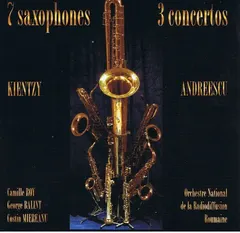
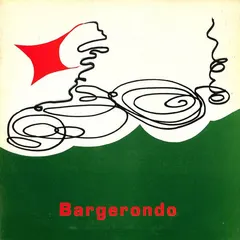
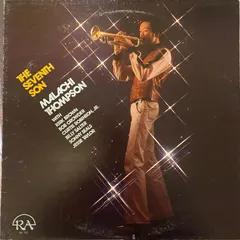


JunkPal may earn a commission when you buy through eBay links, at no extra cost to you.
What’s worth the most
Ranked on medians of real closed eBay sales, not asking prices.