What does “vinyl deep scratches” mean?
What it means
Vinyl deep scratches are physical, significant abrasions or gouges etched into the vinyl surface grooves. This is distinct from surface noise caused by dust, light scuffs, or general wear. A deep scratch is a groove that penetrates the surface layer, often catching light as a distinct line. Functionally, these marks interfere with the stylus tracking the groove, resulting in audible skipping, loud pops, or momentary dropouts during playback. In collecting terms, this moves the item from a near-mint or excellent collectible grade into a heavily flawed, functional piece of media.
What it does to price
Deep scratches severely depress market value. A record graded VG+ (Very Good Plus) with one or two noticeable deep scratches may drop 30% to 50% below its comparable clean counterpart. If the scratches are severe enough to cause consistent skipping, the value plummets further, often shifting the item from collectible status to "parts" or "audio test" status. For example, a pristine first pressing of a sought-after album might fetch $150; the same pressing with one prominent, skipping deep scratch might only command $75 to $100, depending on the rarity of the pressing.
How to spot it
Deep scratches are visible under direct, strong light, often appearing as white or reflective lines against the black vinyl. They are not merely dust patterns. Sellers should provide high-resolution photos taken under bright, direct light, ideally showing the grooves. A common mistake is mistaking heavy static or dust buildup for a deep scratch. A true deep scratch will look like a physical cut or gouge, not just a smudge. If a seller provides only low-light photos, caution is warranted; the condition is unverified.
Buying smart
Paying a premium for vinyl with deep scratches is only justifiable if the record is otherwise extremely rare, and the damage is minor (i.e., isolated pops, not consistent skipping). If the record is common or the scratches are numerous and cause frequent skipping, the purchase is not worth the cost. A fair deal for a flawed record requires a substantial discount—at least 40% off the expected value of a clean copy. If the seller insists on a near-perfect price despite the visible damage, the risk of disappointment or return is too high.
Selling smart
Transparency dictates the selling price. Listing a record with deep scratches as "VG+" or "NM" will result in buyer disputes and returns. The correct procedure is to grade accurately (e.g., VG or G) and document every scratch. The single most effective listing element is a close-up, well-lit photo clearly showing the scratch. Stating "Visible deep scratch near track 3" manages expectations, allowing the buyer to self-select based on their tolerance for flaws, which secures a faster sale at the appropriate, lower price point.
On eBay right now
Current asking prices from live listings — not sold-comp medians.


eBay links are affiliate links: JunkPal may earn a commission at no cost to you.
Resale values related to vinyl deep scratches
Shop vinyl deep scratches on eBay ↗


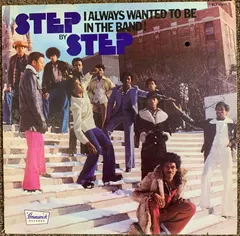
JunkPal may earn a commission when you buy through eBay links, at no extra cost to you.
What’s worth the most
Ranked on medians of real closed eBay sales, not asking prices.