What does “vinyl corner ding severity” mean?
What it means
Vinyl corner ding severity refers to the physical damage, specifically indentations, chips, or nicks, present on the outer edges or corners of a vinyl record sleeve or the vinyl disc itself. These marks are typically caused by improper storage, stacking, or minor impacts. The term is a specific qualifier within the broader grading system (e.g., VG+, NM). A "ding" is a localized cosmetic flaw. On the sleeve, it affects the jacket's structural integrity and appearance. On the record surface, a corner ding is less common but indicates physical stress on the vinyl edge. Severity is graded: minor dings are superficial blemishes; severe dings compromise the structural integrity of the corner, potentially leading to warping or cracking.
What it does to price
Corner dings are a direct negative modifier to the overall grade. A Near Mint (NM) copy with minor, hairline dings might trade at 90-95% of its perfect NM price. A Very Good Plus (VG+) copy, which inherently accepts noticeable edge wear, will have its value further depressed if the dings are deep or numerous. Conversely, pristine corners on an otherwise VG copy can push it toward the higher end of the VG range. For example, a sought-after first pressing might sell for \$100; if it has several noticeable, deep corner dings, the price might drop to \$75–\$85, depending on the market demand for that specific item.
How to spot it
Inspect the corners under bright, direct light. Dings appear as localized depressions or small chips where the vinyl or cardboard edge has been compressed or broken. For sleeves, check all four corners, paying attention to the spine area where corners meet. For the record itself, check the outer rim where the vinyl meets the label area. Sellers should provide high-resolution, close-up photographs specifically of all four corners of the sleeve and the outer edge of the disc. Be wary of sellers who only provide a single, distant photo of the entire package; this hides minor edge damage.
Buying smart
Paying a premium for a record solely because the corners are perfect is often unnecessary unless the record is exceptionally rare or highly sought after by audiophiles. If the core vinyl surface and label condition are excellent, minor, superficial corner dings (Grade: Light Wear) are usually acceptable for a discount. The premium is justified only when the record is graded Mint (M) or Near Mint (NM) and the dings are absent or negligible. If the price difference between a perfect copy and a dinged copy is less than 10% of the asking price, the ding is likely worth the risk.
Selling smart
Accurate disclosure regarding corner ding severity maximizes buyer trust and minimizes returns. Do not attempt to hide them. A listing must explicitly state the condition of the corners (e.g., "Sleeve: NM, minor corner dings present," or "Sleeve: VG+, noticeable edge wear"). The single most effective piece of evidence is a dedicated, well-lit, close-up photo of the most damaged corner. Using the term "light corner wear" instead of "dinged" can sometimes soften the impact while remaining accurate, but specificity always earns a better final sale price.
On eBay right now
Current asking prices from live listings — not sold-comp medians.


eBay links are affiliate links: JunkPal may earn a commission at no cost to you.
Resale values related to vinyl corner ding severity
Shop vinyl corner ding severity on eBay ↗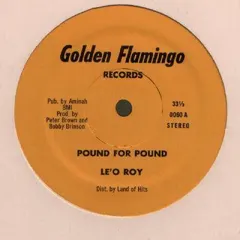



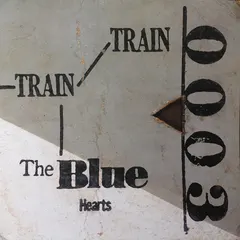

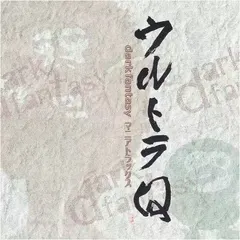

JunkPal may earn a commission when you buy through eBay links, at no extra cost to you.
What’s worth the most
Ranked on medians of real closed eBay sales, not asking prices.