What does “vinyl condition” mean?
What it means
Vinyl condition is the documented physical state of a record and its outer sleeve. This assessment dictates market value. Condition encompasses the disc surface (scratches, noise, warping) and the packaging (sleeve wear, ring wear, seam splits). Grading systems—Mint (M), Near Mint (NM), Very Good Plus (VG+), Good (G)—provide a standardized language. M means virtually flawless. NM means minor, unnoticeable signs of handling. VG+ shows light wear consistent with careful listening. G indicates significant wear affecting playback or appearance. This is not subjective; it is a measurable assessment of wear and tear.
What it does to price
Condition is the primary driver of price variance. A Mint (M) copy can fetch 2x to 5x the price of a VG+ copy for the same pressing, depending on rarity. A copy graded VG or lower often sees a 50%+ reduction in value compared to NM. Minor surface scuffs (light hairline marks) might warrant a 10-15% discount from NM. Conversely, a sleeve with prominent ring wear or a seam split can drop the price by 20-30%, even if the vinyl is NM. A pristine, sealed copy (CIB) typically commands a 1.5x to 3x multiplier over a loose NM copy.
How to spot it
Visual inspection is key. For the disc, look for scuffs (surface scratches) versus deep gouges (which cause audible pops). Warping is noticeable when the record is held up to a light source; severe warping renders the record unplayable. For the sleeve, check corners for crushing and edges for splitting. Buyers demand high-resolution photos showing the entire sleeve and the record surface under direct light. Sellers must distinguish between honest wear (e.g., light shelf wear) and damage (e.g., deep creases).
Buying smart
Paying a premium for M or NM copies is justified only for high-demand, rare, or first-pressing records where the condition directly impacts collectibility. For common pressings or budget listening, VG+ is often the sweet spot, offering significant value retention without the top-tier cost. If a seller lists a record as NM but the photos show visible scuffs, the deal is poor. A fair deal involves the listed price accurately reflecting the grade shown in the photos; if the grade is high, the premium must be justified by market demand for that specific item.
Selling smart
Transparency maximizes realized value. Listing a record as NM when it is VG+ guarantees a lower sale price because buyers factor in the risk. Providing clear, well-lit photographs that specifically isolate the vinyl surface and the sleeve corners is non-negotiable. The single most effective word in a listing description is the precise, objective grade (e.g., "NM Vinyl / VG Sleeve"). This single word anchors the buyer's expectation and validates the asking price.
On eBay right now
Current asking prices from live listings — not sold-comp medians.


eBay links are affiliate links: JunkPal may earn a commission at no cost to you.
Resale values related to vinyl condition
Shop vinyl condition on eBay ↗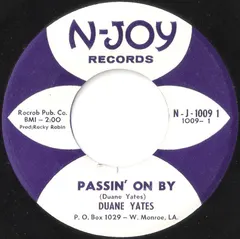





JunkPal may earn a commission when you buy through eBay links, at no extra cost to you.
What’s worth the most
Ranked on medians of real closed eBay sales, not asking prices.