What does “vinyl coloration” mean?
What it means
Vinyl coloration is the intentional hue or tint integrated into the vinyl substrate itself. This goes beyond surface dust or residue; it is part of the manufacturing process, ranging from standard black to solid colors (e.g., blue, red) or patterned effects (e.g., marbled, splatter). In the collecting niche, this is a deliberate aesthetic feature, not damage. The mainstream equivalent is simply the record's color. Collectors value this coloration as a primary visual characteristic, often linking specific colors to limited editions or specific pressing plants.
What it does to price
Coloration directly impacts market value. A standard black pressing serves as the baseline. A highly sought-after, limited-run colorway can command a 1.5x to 4x premium over the standard pressing, depending on scarcity. A common, widely distributed color might only fetch a 1.1x to 1.3x premium. Conversely, inconsistent coloration, such as uneven dye bleed or noticeable yellowing (oxidation), acts as a depreciation factor, potentially reducing value by 10-25% relative to a pristine example. For example, a rare, deep-red splatter pressing might sell for $150, whereas the same pressing in standard black might sell for $75.
How to spot it
Identification requires close inspection. The color should be consistent across the entire disc surface. Key indicators include the specific color listed in the pressing information (e.g., "Translucent Blue"). Sellers must provide high-resolution, well-lit photographs of both sides. Fakes or misrepresentations often involve surface dyes applied *after* pressing, which will look uneven or sit visibly on top of the vinyl rather than being integrated into the material. Oxidation (yellowing) is usually a chemical change, appearing as a uniform, dulling tint, distinct from a vibrant, intentional color.
Buying smart
Paying a premium for coloration is justified when the color is explicitly tied to a confirmed, scarce release (e.g., a specific colored variant of a classic album). If the color is common or the scarcity claim is unsubstantiated, the premium is likely inflated. A fair deal involves comparing the asking price against known sales data for that specific color variant. If a standard black copy sells for $X, and the colored version is listed at $X + 50%, this is often a reasonable starting point for negotiation, provided the color quality is perfect.
Selling smart
Proving the coloration is authentic and vibrant is crucial for maximizing return. Listings must use multiple, sharp photographs taken under neutral, bright light to accurately display the hue. The single most effective element in a listing is a close-up shot that clearly shows the color integration without glare. Using precise terminology—e.g., "Deep Sunset Orange" versus just "Orange"—and explicitly stating the color is an "Original Pressing Colorway" validates the premium and justifies the higher asking price.
On eBay right now
Current asking prices from live listings — not sold-comp medians.


eBay links are affiliate links: JunkPal may earn a commission at no cost to you.
Resale values related to vinyl coloration
Shop vinyl coloration on eBay ↗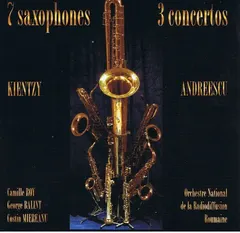
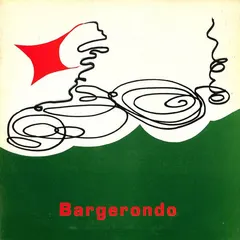
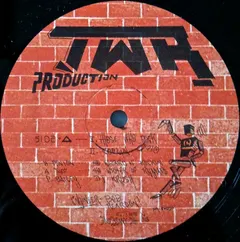
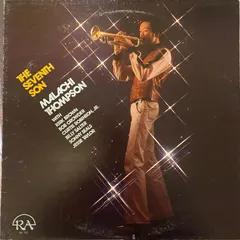


JunkPal may earn a commission when you buy through eBay links, at no extra cost to you.
What’s worth the most
Ranked on medians of real closed eBay sales, not asking prices.